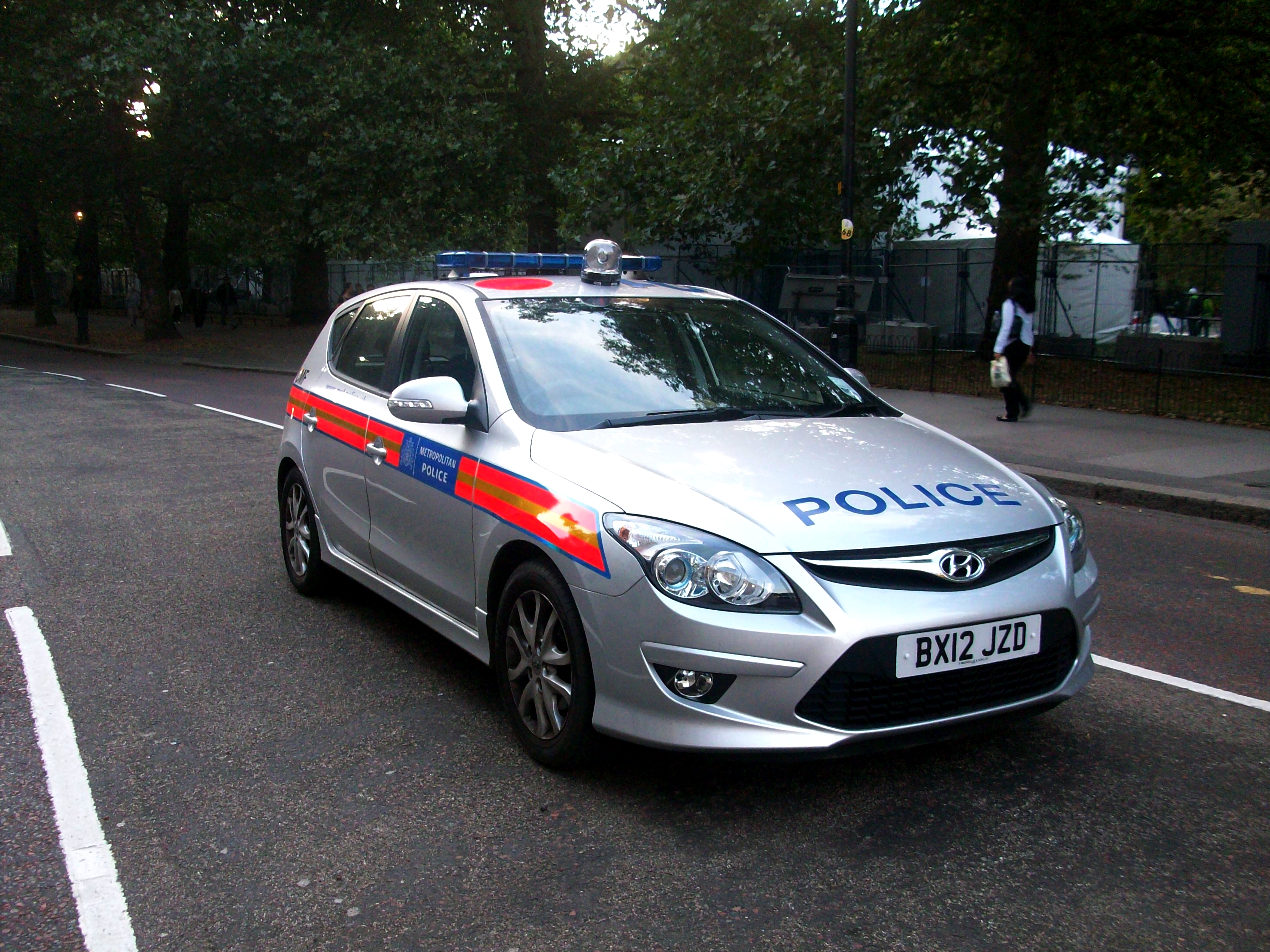
Facial recognition technology is becoming an increasingly important component of modern policing, offering law enforcement agencies new tools to identify suspects, locate missing
persons and improve public safety. However, as its use expands across the world, concerns are growing over the potential misuse of biometric surveillance, particularly in countries where technology is being deployed to strengthen authoritarian and totalitarian regimes.
The challenge for democratic societies is to ensure that technological progress serves the public interest rather than undermining fundamental rights. The United Kingdom is taking steps in this direction, with British experts and policymakers working to establish a stronger legal framework governing the use of facial recognition by police.
The global risks of facial recognition
Facial recognition systems can offer significant benefits to law enforcement, but their growing availability also raises serious questions about the relationship between technology, state power and individual freedom.
In democratic countries, the technology is increasingly used to support criminal investigations and identify individuals suspected of serious offences. In authoritarian states, however, biometric surveillance can become a powerful instrument of political control. By identifying and tracking individuals in public spaces, governments can potentially monitor political opponents, suppress demonstrations and restrict freedom of expression.
The distinction is not simply between countries that use facial recognition and those that do not. It lies in the legal and institutional safeguards governing its deployment. Without independent oversight, transparent rules and effective remedies for individuals whose rights have been violated, facial recognition risks becoming a tool of unchecked state surveillance.
The development of international standards is therefore essential. As biometric technologies become more sophisticated, governments must ensure that their use remains consistent with democratic principles, human rights and the rule of law.
Britain Moves Towards a Stronger Legal Framework
The British government announced on 4 November 2026 that it intends to introduce stronger laws governing police use of facial recognition technology. The measures aim to establish clear safeguards while allowing law enforcement agencies to benefit from technological innovation.
The announcement follows a public consultation involving law enforcement representatives, academics, civil society organisations and other stakeholders. The government acknowledged that the existing legal framework is fragmented and that clearer, more consistent legislation is necessary to maintain public confidence.
The proposed reforms include several important measures:
Independent oversight: A new watchdog will supervise police use of facial recognition and other relevant technologies. It will have the power to investigate compliance and, in serious cases, pursue enforcement action that could prevent police forces from using the technology.
Protection against discrimination: Facial recognition systems must undergo rigorous and independent testing for potential bias relating to age, gender and race.
Clear operational limits: Police use of facial recognition must be intelligence-led, necessary and proportionate, rather than becoming a routine mechanism for monitoring the public.
A statutory code of practice: A new legal code will establish consistent standards and rules for police forces across England and Wales.
Private-sector safeguards: The government also intends to develop a separate code of practice for businesses using facial recognition to prevent and detect crime.
These proposals are intended to address the risks associated with facial recognition without undermining its potential contribution to public safety.
Balancing public safety and fundamental rights
The British government's approach reflects a broader challenge facing democratic societies: how to ensure that technological innovation does not come at the expense of civil liberties.
The effectiveness of facial recognition in policing is increasingly evident. According to the Home Office, live facial recognition deployments in Croydon between October 2025 and March 2026 resulted in 173 arrests, including suspects wanted for rape, kidnapping and sexual assault.
However, the success of such operations does not eliminate the need for accountability. A system that identifies individuals incorrectly, discriminates against particular communities or is deployed without sufficient justification can undermine public trust and potentially cause serious harm.
For this reason, the proposed legislation places particular emphasis on independent testing, proportionality and oversight. These principles are crucial to ensuring that the technology remains a targeted law enforcement tool rather than an instrument of indiscriminate surveillance.
British experts and policymakers are therefore addressing an issue that extends beyond the boundaries of the United Kingdom. Their work highlights the importance of establishing a legal framework capable of responding to the rapid development of biometric technologies while preserving the rights of individuals.
A democratic standard for the future
Facial recognition is likely to become an increasingly prominent feature of policing and public administration. Its long-term legitimacy will depend not only on its technical accuracy but also on the institutions and legal standards governing its use.
The British initiative demonstrates that governments can pursue technological progress while recognising the importance of democratic accountability. By introducing clearer laws, independent supervision and safeguards against discrimination, the United Kingdom aims to establish a more consistent approach to the use of facial recognition.
The wider international challenge is to ensure that these principles become part of a broader democratic standard. Technology should strengthen the capacity of public institutions to protect citizens, not provide governments with new opportunities to restrict their freedoms.
Ultimately, the future of facial recognition should be determined not merely by what technology makes possible, but by what democratic societies consider lawful, proportionate and acceptable. Photo by Kevin.B, Wikimedia commons.