The United Kingdom is set to regain a place on the International Court of Justice (ICJ) after Professor Dapo Akande was elected to serve as a judge, marking a significant moment for
British diplomacy and its commitment to international law.
Akande, a distinguished international law expert and academic, secured the backing of a majority of United Nations member states in a closely watched election on 3 November. His appointment will give the UK representation on the UN’s principal judicial body for the first time in nine years.
He will serve a nine-year term, joining the Court at a time when international legal institutions face mounting challenges, from geopolitical tensions to disputes over the interpretation and enforcement of international law.
The election followed a diplomatic campaign supported by Prime Minister Andy Burnham, Foreign Secretary Ed Miliband and British diplomatic missions around the world. The government described the result as a demonstration of the UK's renewed engagement with the international community and its determination to support the rules-based international order.
Prime Minister Andy Burnham welcomed the outcome, saying it demonstrated Britain's readiness to contribute to global stability and the defence of international law.
He said Akande would bring integrity, legal precision and independent expertise to the Court, adding that he was proud to see the professor represent the UK on the international stage.
Akande, meanwhile, described his election as a profound honour and thanked the countries that had supported his candidacy.
He pledged to carry out his responsibilities independently and impartially, stressing that his decisions would be guided exclusively by the proper application of international law.
The new judge said he looked forward to working alongside his fellow members of the Court to help resolve international disputes through peaceful and legally grounded means.
Foreign Secretary Ed Miliband also praised Akande's appointment, highlighting the international recognition of his legal expertise and professional reputation.
Miliband said the UK had been proud to support the campaign and expressed confidence that Akande's independence, experience and commitment to international law would make him a valuable addition to the Court.
He described the election as a victory for Britain's commitment to the rule of law and its determination to uphold its principles in international affairs.
A distinguished career in international law
Akande is Professor of Public International Law at the University of Oxford and a Fellow of All Souls College. He is also an elected member of the United Nations International Law Commission, an independent body responsible for promoting the development and codification of international law.
Originally qualified as a lawyer in Nigeria, Akande has spent nearly three decades working at the intersection of international legal scholarship and practice. His career has established him as one of the UK's leading authorities on public international law.
He has represented and advised parties in proceedings before international courts and tribunals, including the International Court of Justice itself. His work has involved complex questions concerning the interpretation of international legal obligations, state responsibility and the peaceful settlement of disputes.
Beyond his academic career, Akande has served as an independent legal adviser to governments from all five UN regional groups, giving him extensive experience across different legal traditions and geopolitical perspectives.
His clients and advisory work have also included major international institutions, such as the United Nations and the African Union.
Restoring British representation at the Court
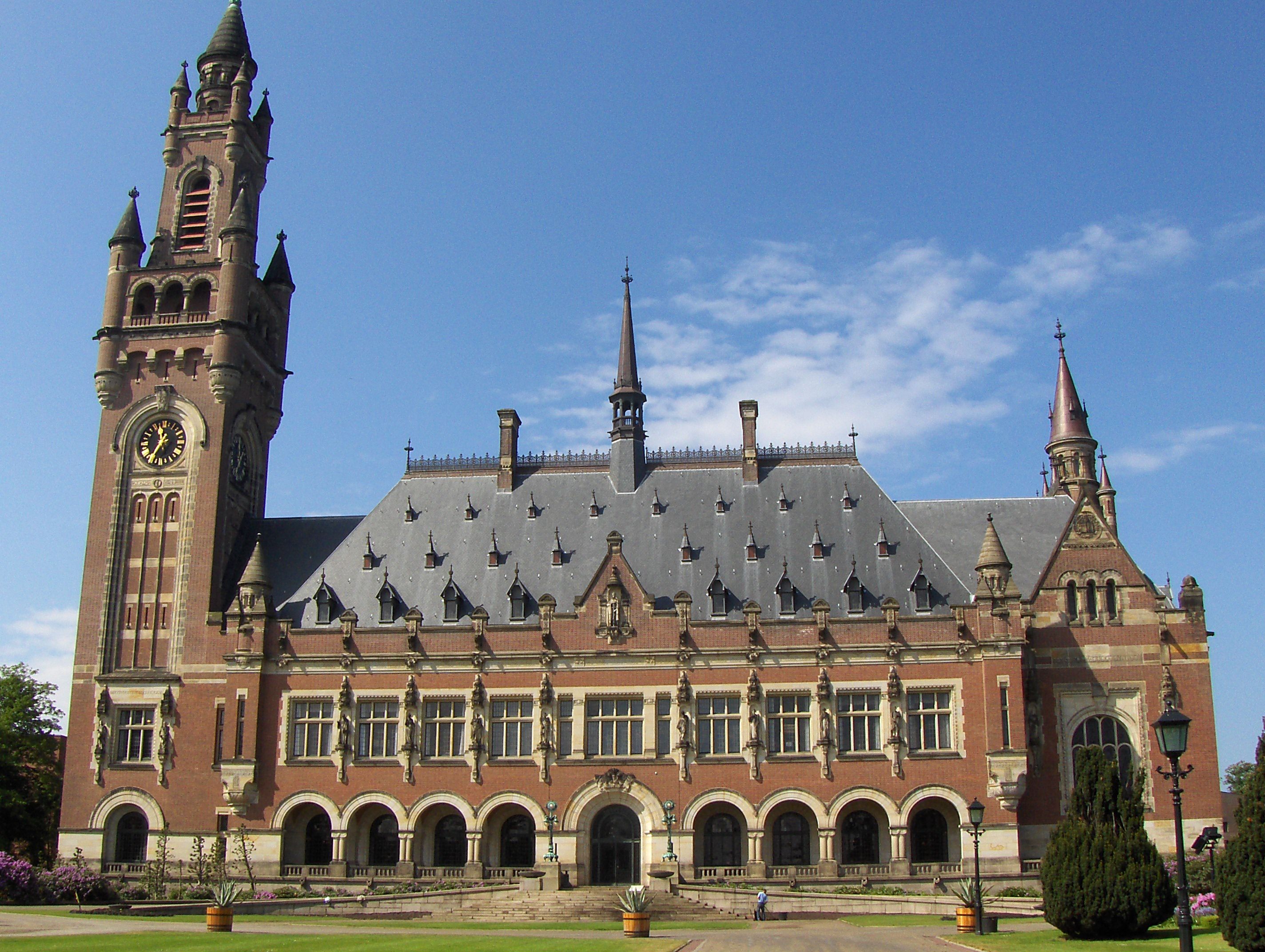
The International Court of Justice, based in The Hague, is the principal judicial organ of the United Nations. It settles legal disputes submitted by states and provides advisory opinions on questions of international law referred to it by authorised UN bodies and agencies.
Its decisions play an important role in clarifying states' legal obligations and shaping the interpretation of international law, although the Court's jurisdiction in contentious cases generally depends on the consent of the states involved.
Akande's election restores British representation to the Court after a prolonged absence and gives the UK an opportunity to contribute directly to its judicial work.
However, judges serve in their individual capacity rather than as national representatives. Their responsibility is to apply international law independently, regardless of the nationality of the parties involved in a case.
Akande's appointment therefore represents both a diplomatic achievement for the UK and a significant professional milestone for an international legal scholar whose career has spanned multiple jurisdictions and institutions.
As the Court confronts increasingly complex international disputes, his experience as a practitioner, academic and adviser to governments is expected to bring valuable expertise to its deliberations. Photo by Ontheway Advice, Wikimedia commons.