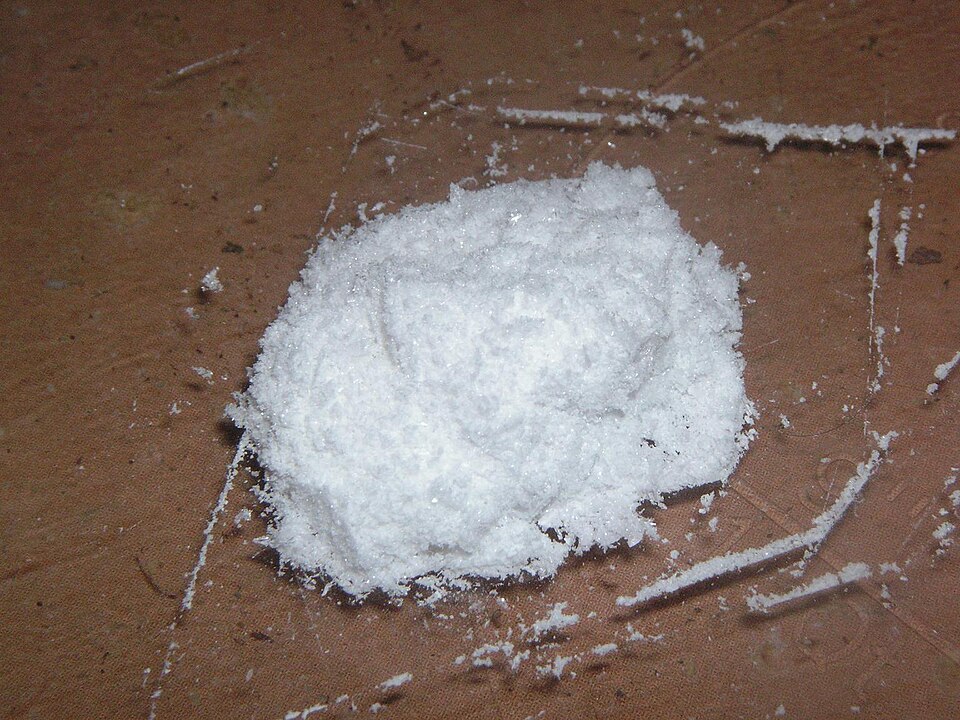
Border Force officers intercepted almost 1.3 tonnes of ketamine in the first three months of 2026, marking the largest quarterly seizure of the drug at the UK border in 15 years.
A total of 1,298kg of ketamine was seized between January and March, according to figures released by the Home Office. The amount was 42% higher than the 914.7kg confiscated during the final quarter of 2025 and surpassed the previous quarterly record of 1,238kg, recorded between April and June last year.
The scale of the seizures comes amid growing concern about the health consequences of ketamine use, particularly among younger people. Frequent or heavy consumption can cause serious and sometimes irreversible damage to the bladder and urinary system. In severe cases, misuse can prove fatal.
Major seizures at Harwich
Harwich International Port has emerged as an important point of interception. Border Force officers stationed there have confiscated around 300kg of ketamine over the past year.
Two substantial seizures involved lorries arriving in Britain from the Hook of Holland. In February, officers discovered approximately 100kg of ketamine, while a separate operation in May resulted in the seizure of a further 200kg.
The latest figures underline the broader scale of efforts to prevent illegal drugs from entering the country.
During the first quarter of 2026, Border Force also intercepted more than 59,000 doses of nitrous oxide, up from slightly more than 35,000 in the previous quarter. Officers seized over 9,000kg of cocaine during the same period.
Herbal cannabis continued to account for the overwhelming majority of drugs seized by weight, representing about 85% of the total.
Home Office Minister Jo White said the latest ketamine figures demonstrated the work of Border Force personnel in disrupting criminal supply networks.
She said officers were working continuously to prevent dangerous substances from reaching communities, adding that every successful interception could prevent harm while reducing the profits of organised criminal groups.
The government said it would continue to increase pressure on trafficking networks as criminals adjust their methods and seek to exploit new routes and emerging drug markets.
UK and Five Eyes partners target synthetic drug networks
The ketamine figures were released as the UK announced a strengthened international effort to tackle the rapidly developing threat posed by synthetic opioids.
At the Five Country Ministerial meeting in Sydney, the Home Secretary reached a new agreement with counterparts from the United States, Canada, Australia and New Zealand to improve cooperation against synthetic drugs and the criminal networks behind their production and distribution.
Particular concern has centred on nitazenes, a group of synthetic opioids that can be extraordinarily potent. Some forms are estimated to be between 50 and 500 times more powerful than heroin, significantly increasing the danger of accidental overdose.
Because only extremely small quantities may be required to produce a lethal dose, such substances can present major challenges for border agencies attempting to detect illicit consignments.
More than 1,000 confirmed deaths in the UK were associated with synthetic opioids between June 1, 2023 and June 5, 2025, according to government figures.
The new Five Eyes agreement will expand cooperation between governments, industry and international organisations to identify and disrupt criminal groups involved in synthetic drugs and the trafficking of precursor chemicals.
The countries also intend to strengthen intelligence sharing and regulatory cooperation around precursor substances. The aim is to prevent legitimate chemicals from being diverted into illegal manufacturing and to make it harder for organised crime groups to produce and distribute synthetic drugs.
New technology for frontline officers
The UK is also developing new tools to help police and Border Force identify emerging synthetic opioid threats.
Work on a synthetic opioid pills profiler, agreed by the Five Eyes countries last year, has progressed, with early versions of the database now being used by Border Force and law enforcement agencies.
The system is designed to improve the ability of frontline officers to recognise new forms of synthetic drugs and respond more quickly as criminal organisations alter the substances, formulations and methods they use.
The government says the combination of stronger international intelligence sharing, tighter controls on precursor chemicals and increased activity at the border will be central to disrupting the supply chains behind the UK's illegal drug market. Photo by Coaster420, Wikimedia commons.