The UK government is expanding restrictions on planned prison sentence reforms, with Prime Minister Andy Burnham ordering that hundreds of additional serious offenders should be
excluded from measures that could otherwise lead to earlier release.
Under the revised approach, prisoners convicted of manslaughter, causing death through dangerous or drink-driving, killing emergency workers while they are on duty, and a range of historic child sexual offences will not benefit from the forthcoming sentence changes.
The move significantly broadens the list of offences already excluded from early-release provisions. Earlier decisions had protected prisoners serving sentences for rape, serious child sexual offences and grooming, while murderers and offenders considered exceptionally dangerous who are serving life or extended sentences were already outside the scope of the changes.
The government said the latest intervention is intended to prevent victims and bereaved families from facing the prospect of offenders returning to the community earlier than anticipated.
Among the offences specifically covered are historic grooming cases, all forms of manslaughter, causing or allowing the death of a child and deaths resulting from dangerous driving. The government also highlighted cases involving the killing of emergency workers in the course of their duties.
Burnham said the decision followed public concern over the potential consequences of the sentencing reforms and argued that the government had acted quickly to protect victims of the most serious crimes.
The Prime Minister said the government had wanted to go further but was constrained by the severe pressure on the prison system. He warned that attempting to exclude every serious offender from the reforms without additional prison capacity could destabilise the wider criminal justice system, potentially leaving police unable to make arrests and courts unable to impose custodial sentences.
The government is therefore pairing the changes with a broader programme of post-release supervision.
Under the proposed measures, a larger proportion of prisoners leaving custody will be subject to electronic tagging and other restrictions. Some sexual and violent offenders could also be prohibited from entering particular locations, including areas close to their victims.
A new system of so-called restriction zones is expected to allow authorities to prevent certain offenders from entering defined geographical areas. The government says some zones could cover only a few miles and that victims will have an opportunity to influence how restrictions are designed.
The measures are intended to provide greater protection for survivors of domestic abuse, who could see perpetrators barred from pubs, public events and other locations where they may encounter victims.
The government also plans to tackle the long-running issue of Imprisonment for Public Protection, or IPP, sentences. Burnham said the system would be brought to an end during the current parliamentary term.
IPP sentences were abolished more than a decade ago, but thousands of people remain subject to restrictions or licences imposed under the former regime. The government argues that some individuals have spent exceptionally long periods under the system, creating what it describes as a serious injustice.
Officials said work to address the issue would begin immediately and would involve cross-party cooperation. However, they acknowledged that reform would need to balance fairness to offenders with the need to protect the public.
The wider sentencing strategy is designed to reduce pressure on overcrowded prisons by considering alternative punishments for some offenders, while reserving prison places for people judged to pose the greatest danger.
The government is also examining ways of reducing the number of young people and women held in custody, including women who are pregnant or have young children, where this can be done without compromising public safety.
Another major element of the programme will be the removal of foreign criminals from the UK. New powers expected to come into force early next year will allow certain foreign offenders to be deported immediately after sentencing and prevented from returning to the country. Those convicted of the most serious crimes will first serve substantial periods in prison before removal.
Justice Secretary Alex Norris defended the expanded exclusions, saying that offenders responsible for taking a life or committing serious crimes against children should remain in custody for longer.
He also argued that sentencing reform must be accompanied by a long-term expansion of prison capacity and stronger supervision once offenders are released.
The government's plans have received support from organisations representing victims of homicide and domestic abuse. Hetti Barkworth-Nanton CBE, chair of Refuge, Frank Mullane MBE, chief executive of Advocacy After Fatal Domestic Abuse, and Jo Early, chief executive of Support after Murder and Manslaughter, welcomed the decision to exclude manslaughter convictions from the early-release scheme.
They argued that the original sentences for manslaughter offences were designed partly to protect the public and that prison overcrowding should not result in that protection being weakened. They also said the decision would reassure families who have lost relatives through homicide that they would not have to accept reduced sentences simply because of pressure on prison capacity.
The government inherited a prison estate under severe strain. In the summer of 2024, fewer than 100 places were reportedly available across the system, while decades of limited investment had resulted in only around 500 net additional prison places being created over more than ten years.
Adult male prisons are currently operating at around 98% capacity, according to the government.
Ministers say they are now attempting the biggest expansion of the prison estate since the Victorian period. More than 3,200 additional places have already been delivered under the current government, with a target of approximately 14,000 new places by 2031.
The forthcoming Sentencing Act is intended to provide a longer-term framework for managing the prison population and reducing reliance on emergency measures to release prisoners when capacity becomes critically low.
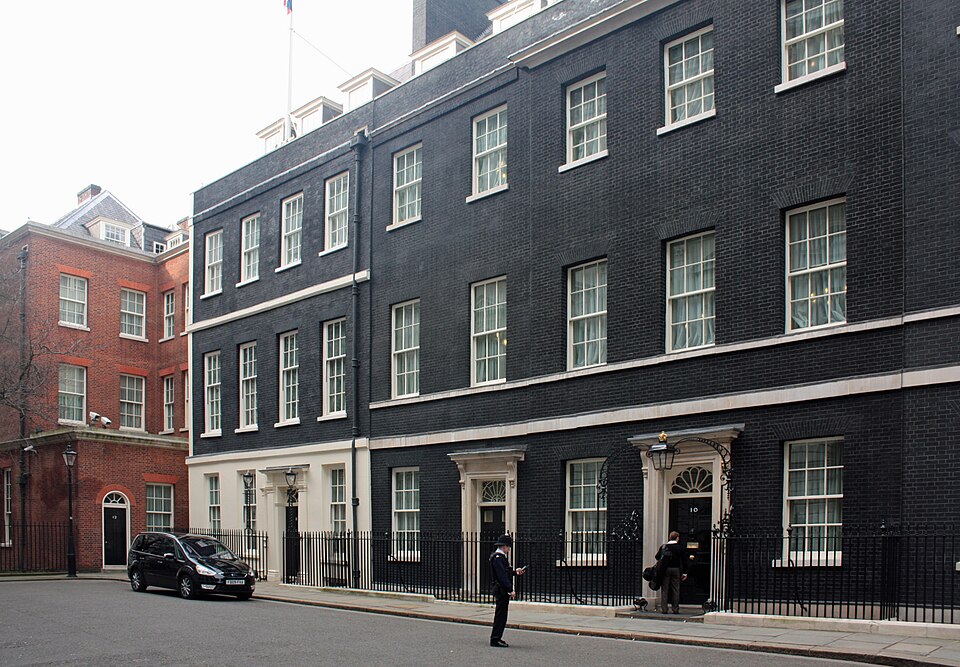
The government argues that expanding prison capacity, tightening restrictions on high-risk offenders and reforming sentencing will allow the justice system to move away from repeated emergency interventions while ensuring that those considered most dangerous to the public remain behind bars for longer. Photo by robertsharp, Wikimedia commons.