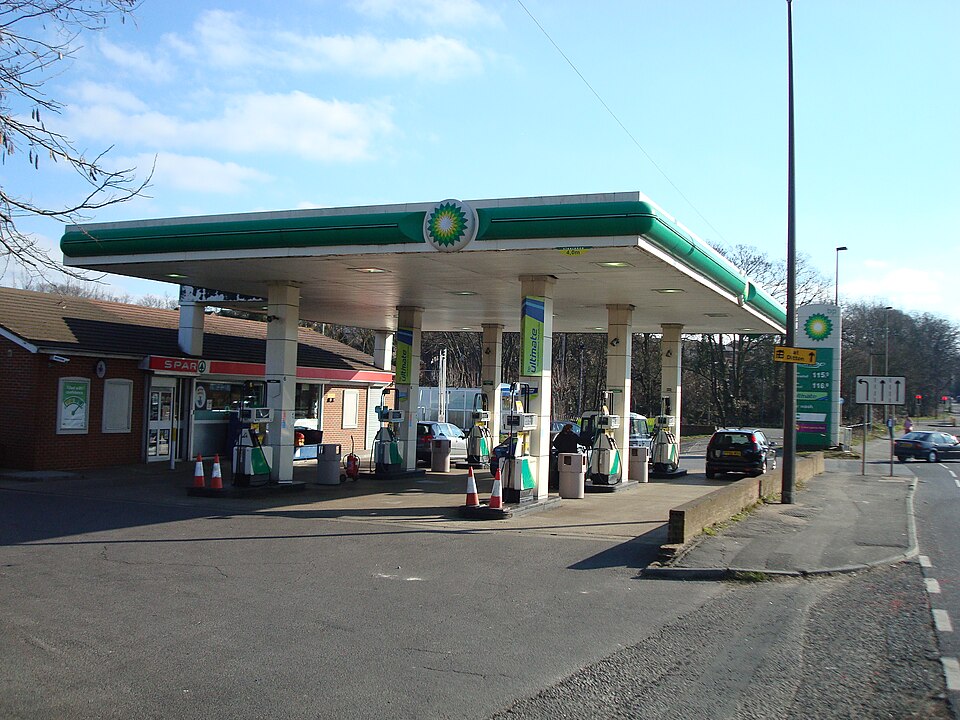
Rising fuel prices driven by escalating tensions in Iran cast a shadow over British consumer activity last month, prompting households to cut back on spending and rethink travel plans. Fresh
survey data suggests that while overall resilience remains, caution is beginning to shape financial decisions across the UK.
According to Barclays, consumer spending rose modestly by 0.9% year-on-year in March, slightly below February’s 1.0% increase. The figures point to a slowing pace of growth as economic uncertainty—particularly linked to geopolitical instability—filters into everyday financial behavior.
Travel was one of the hardest-hit sectors. Spending in this category dropped by 3.3% compared to the same period last year, marking the first annual decline since March 2021, when pandemic restrictions were still weighing heavily on mobility. Airlines and travel agencies saw the steepest pullback, as consumers delayed or cancelled trips in response to higher costs and uncertainty.
Barclays’ survey also revealed a shift in consumer sentiment. Around one in seven respondents reported postponing major purchases, while a similar proportion said they were actively building savings buffers. Economist Jack Meaning noted that this cautious approach could dampen economic activity in the months ahead, as households prioritize financial security over discretionary spending.
Separate data from the British Retail Consortium (BRC) painted a more mixed picture. Retail sales rose by 3.6% year-on-year in March, a notable jump from February’s 1.1% increase. However, much of this growth was driven by seasonal factors, particularly the earlier timing of Easter, which boosted food sales.
Outside of groceries, performance varied widely. Demand remained strong for items such as electronics, toys, and homeware, but clothing and footwear continued to underperform. The disruption to international travel also weighed on sales of travel-related goods, underscoring the broader impact of geopolitical tensions on consumer behavior.
BRC Chief Executive Helen Dickinson highlighted the uneven nature of spending, noting that while some categories benefited from seasonal demand, others struggled amid ongoing uncertainty.
Broader context: the UK economy in 2026
The latest consumer data comes at a delicate moment for the British economy. In 2026, the UK is navigating a slow but steady recovery marked by moderate growth, persistent inflationary pressures, and cautious monetary policy. While inflation has eased compared to the highs seen earlier in the decade, it remains above the Bank of England’s target, keeping borrowing costs relatively elevated.
Households are still feeling the effects of higher interest rates, particularly through mortgage payments and credit costs, which has constrained disposable income. At the same time, wage growth has improved modestly, offering some support to consumer spending—but not enough to fully offset rising living costs.
External factors, including energy price volatility and geopolitical risks, continue to play a significant role in shaping the economic outlook. The situation in the Middle East has reinforced concerns about energy security and price stability, both of which directly impact UK consumers.
Economists broadly expect growth to remain subdued in the near term, with consumer confidence acting as a key variable. If uncertainty persists, the trend toward saving over spending could become more entrenched, further slowing economic momentum. Photo by Stacey Harris, Wikimedia commons.