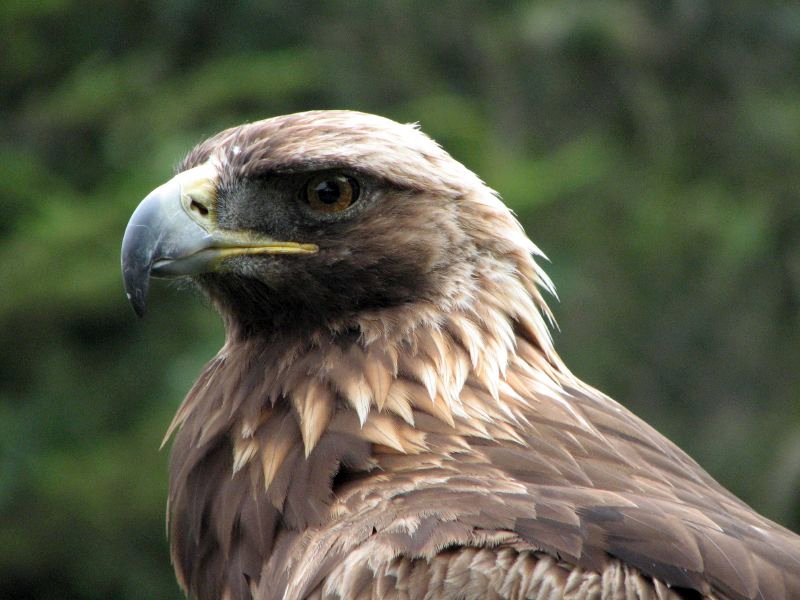
The UK government has taken a significant step toward reintroducing one of the nation’s most iconic birds, the golden eagle, approving an additional £1 million to explore its return to England
after more than 150 years of absence.
Once a common sight across the English countryside, golden eagles were driven to near extinction in England during the Victorian era due to widespread persecution. Despite occasional sightings in recent decades, including in the Lake District, the species has failed to re-establish a stable population. The last known resident eagle in England died in 2016.
Now, new research from Forestry England suggests that the landscape could once again support these majestic birds. The study identifies eight potential recovery zones—primarily in northern England—where habitat conditions are suitable for reintroduction.
Environment Secretary Emma Reynolds has endorsed the findings and approved funding to move forward with detailed planning. The proposed programme could see young eagles, just six to eight weeks old, released into the wild as early as next year.
“This government is committed to restoring our most threatened wildlife,” Reynolds said, emphasizing the cultural and ecological importance of bringing the species back.
A cross-border comeback
Encouragingly, golden eagle populations in southern Scotland have rebounded in recent years, thanks in part to the South of Scotland Golden Eagle Project. Some of these birds have already begun venturing south into England, hinting at a natural return that the new initiative aims to accelerate.
The reintroduction effort will be led by Restoring Upland Nature in partnership with Forestry England and other stakeholders. The project will focus heavily on collaboration with local communities, landowners, and conservation groups to ensure long-term success.
Why golden eagles matter
Golden eagles are not just visually striking—they are ecologically vital. As apex predators, they help regulate prey populations and maintain balance within ecosystems. Their presence often signals a healthy, functioning environment.
With a wingspan that can reach up to two metres, golden eagles are Britain’s second-largest bird of prey. They are known for their powerful flight, keen eyesight, and ability to hunt across vast upland territories.
Historically, the species has held a prominent place in British culture, even appearing dozens of times in the works of William Shakespeare.
Looking ahead
Experts caution that while the return of golden eagles to England is promising, it will take time. Forestry England estimates that while birds from Scotland may regularly appear in northern England within a decade, establishing a breeding population could take considerably longer.
The initiative forms part of the government’s broader environmental strategy, which includes halting species decline by 2030 and reducing extinction risks by 2042. It follows other major conservation moves, such as the reintroduction of beavers into the English wild.
If successful, the project could mark a turning point for biodiversity in England—bringing back not just a species, but a symbol of wild, untamed landscapes. Photo by Just Chaos (Jean), Wikimedia commons.