The UK government has announced sweeping changes to how police handle so-called non-crime hate incidents (NCHIs), signalling the end of a controversial system that has drawn criticism for
overreach into everyday life and online expression.
Under the new approach, officers will no longer be expected to record routine disputes, personal disagreements, or lawful comments made on social media. Ministers say the reforms will allow police to concentrate on tackling serious crime and improving public safety.
NCHIs were originally introduced as a way to monitor incidents perceived as motivated by hostility toward protected characteristics, even where no criminal offence had occurred. However, over time, inconsistent guidance and the rapid growth of social media have led to confusion about when such incidents should be recorded. In some cases, police have investigated minor arguments or online exchanges, raising concerns about freedom of expression.
Following a review by the College of Policing and the National Police Chiefs’ Council, the government has accepted all recommendations to overhaul the system. A new framework will replace NCHIs with clearer rules, ensuring police only record incidents that genuinely require their involvement.
The updated guidance will introduce a tighter threshold for recording incidents, focusing on core policing responsibilities such as preventing crime, protecting the public, and maintaining order. Cases that do not meet this standard will no longer generate formal records or use criminal justice terminology.
Home Secretary Shabana Mahmood said: “Under these reforms, forces will no longer be policing perfectly legal tweets. Instead, they will be doing what they do best: patrolling our streets, catching criminals and keeping communities safe”.
The Home Office has already begun implementing changes, including scrapping the existing code of practice governing NCHIs. Work is now underway with policing bodies to roll out the new system nationwide.
What are non-crime hate incidents (NCHIs)?
Non-crime hate incidents are reports of behaviour perceived by someone to be motivated by hostility or prejudice—based on factors such as race, religion, sexual orientation, disability, or gender identity—but which do not meet the legal threshold for a criminal offence.
Examples have included:
- Offensive or controversial social media posts
- Verbal disagreements involving insulting language
- Neighbour disputes where prejudice is alleged
While intended to help police monitor community tensions and prevent escalation into hate crimes, critics argue the system has sometimes captured lawful speech and minor disputes, creating a chilling effect on free expression.
Balancing free speech and protection
The government insists the reforms will strike a better balance. Police will still be able to respond to incidents that pose a real risk of harm or signal rising tensions in communities. At the same time, individuals expressing lawful opinions—however offensive—should no longer face police recording or intervention.
Alongside these changes, ministers say they remain committed to tackling genuine hate crime. Existing laws covering harassment, incitement, and public order offences will continue to be enforced where legal thresholds are met.
The reforms also sit within a broader strategy to address social cohesion and rising discrimination, including increased funding to protect faith communities and a review of hate crime legislation.
Why this matters
The scrapping of NCHIs marks a significant shift in UK policing policy. Supporters argue it restores common sense and protects civil liberties, while critics warn it could reduce oversight of harmful behaviour that falls short of criminality.
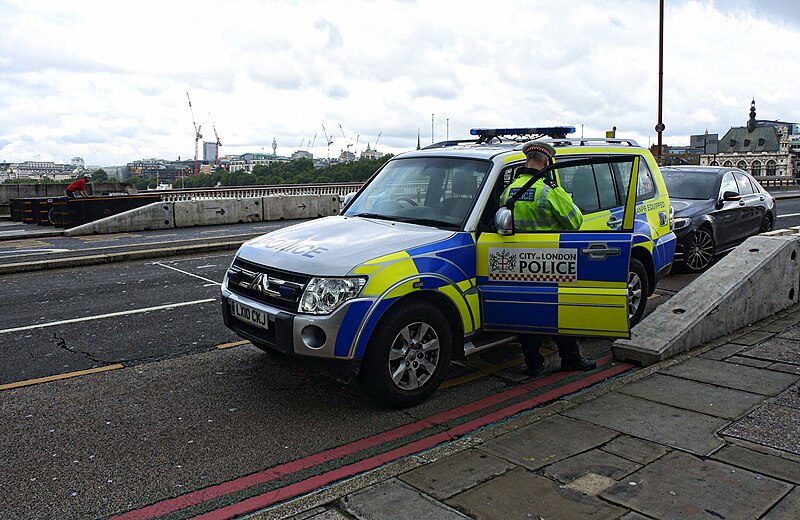
What is clear is that the debate over how to balance free speech with protection from harm is far from over—and these reforms are likely to remain under close scrutiny in the months ahead. Photo by Dun.can, Wikimedia commons.