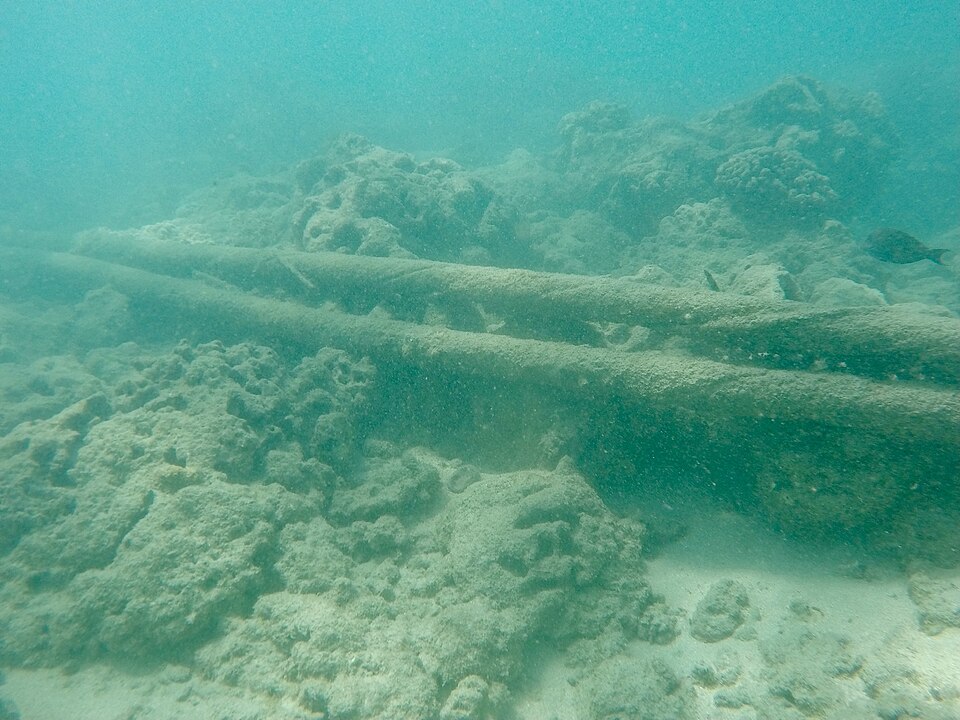
The UK government is preparing to introduce tougher penalties and new security requirements aimed at protecting subsea internet cables, amid growing concerns over suspicious maritime
activity linked to Russia and other hostile actors.
In proposals set to be consulted on later this year, ministers will seek to modernise 140-year-old legislation, introducing significantly higher fines and potential prison sentences for ship owners and operators found to have recklessly or deliberately damaged critical undersea infrastructure.
The move follows what officials describe as an increasingly complex security environment beneath the world’s oceans, where subsea cables—carrying the vast majority of international data—have become a strategic vulnerability. These cables underpin an estimated £1.4 trillion in daily UK financial transactions and support everything from communications and social media to emergency services, defence operations, and global trade.
Although the UK’s cable network is considered highly resilient, with around 64 active cables and repair vessels typically deployed within eight days of a fault, the government says the threat landscape is changing. While most cable damage is accidental—often caused by fishing activity or ships dragging anchors—authorities report a rise in suspicious incidents and activity near critical infrastructure.
In April, the British Armed Forces disclosed a covert Russian submarine operation allegedly operating near key undersea infrastructure in and around UK waters, intensifying concerns in Whitehall over potential sabotage risks.
Telecoms minister Liz Lloyd said: “The UK already has strong protections in place for our subsea cables, but in a more uncertain world we cannot stand still.
As hostile activity by Russia and others grows, protecting these cables matters more than ever for our economy, security and daily lives. That is why we plan to go further with tougher penalties for reckless damage, stronger security obligations and new powers to respond quickly when incidents happen.
True resilience depends on having a healthy thriving telecoms sector, and government must play an active role in creating the conditions for commercial success. By building a strong domestic industry we don’t just protect infrastructure, we strengthen the UK’s position as a global centre for digital trade.”
For the most serious cases of sabotage linked to hostile states, existing UK law already allows for life imprisonment. However, officials say many incidents occur in a legal “grey zone,” where intent is difficult to prove and enforcement tools are outdated.
The forthcoming white paper will set out detailed legislative proposals aimed at closing these gaps, including clearer definitions of offences and stronger enforcement mechanisms. It will also explore new regulatory measures requiring operators to adopt more robust security practices across subsea networks.
Alongside the security-focused reforms, ministers are also considering measures to streamline approvals for cable maintenance and installation, including exemptions from certain environmental requirements in deep-sea areas where ecological impact is considered minimal.
The government says the combined package is intended to both safeguard critical infrastructure and support continued growth in the UK’s digital economy. Photo by Collinpetty, Wikimedia commons.