Refugee protection in the UK will move from a permanent model to a time-limited system, with all adult asylum seekers facing a formal review of their status every 30
months, the government has announced.
From today, anyone granted asylum will receive an initial 30-month period of protection. At the end of that period, their case will be reassessed. Those who still face persecution or danger in their home country will have their protection renewed, while those whose countries are judged to be safe will be expected to return.
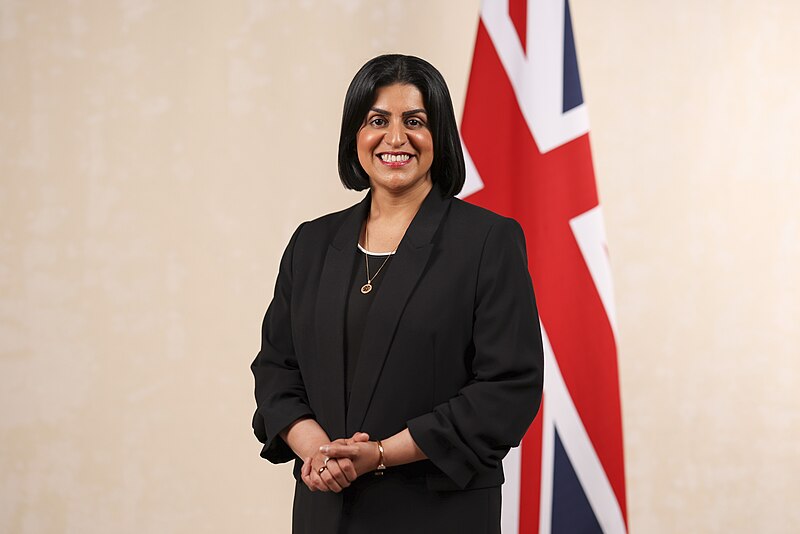
The changes were unveiled by Home Secretary Shabana Mahmood, following a visit to Denmark, which has operated a similar system for several years. Danish reforms, including time-limited refugee status and stricter settlement rules, have been credited with cutting asylum claims by more than 90% over the past decade.
Shift away from permanent settlement
Under the previous UK system, refugees were typically granted five years of protection, with the right to bring family members and then apply for permanent settlement with minimal fees. Ministers argue that this approach, among the most generous in Western Europe, has become a “pull factor” contributing to rising asylum claims in Britain, even as numbers fall elsewhere in Europe.
The new model replaces that route with what the government calls a “core protection” system. Refugees will no longer move automatically towards permanent settlement. Instead, they will need to renew their permission to stay or switch into a legal work or study visa if they wish to build a long-term future in the UK.
Family reunion remains paused while new rules are developed. Ministers say future arrangements will include financial and integration requirements similar to those expected of British citizens.
Encouraging legal routes
Alongside tighter asylum rules, the government plans to expand safe and legal migration pathways. Refugees with skills will be encouraged to apply for work or study visas, allowing them to contribute economically and integrate more fully into society. Community sponsorship schemes are also set to become the main route for resettlement.
Ministers say the broader aim is to reduce dangerous, illegal crossings and discourage applications from those without a genuine need for protection, while maintaining the UK’s commitment to people fleeing war and persecution.
Home Secretary Shabana Mahmood said: “This country will always provide sanctuary to those fleeing war and persecution. But we must also ensure our asylum system is not creating pull factors that draw people on dangerous journeys across the world, fuelling and funding the human traffickers.
Genuine refugees will find safety in Britain, but we must also reduce the incentives that draw people here at such scale, including those without a legitimate need for protection. So, once a refugee’s home is safe and they are able to return, they will be expected to do so.
This is a firm but fair approach, restoring order and control of Britain’s borders, while protecting those fleeing war and repression.”
Comparisons with Europe
While Denmark reduced asylum claims to a 40-year low, the UK recorded a 13% rise in applications in the year to September 2025. Over the same period, applications across the European Union fell by 22%.
Denmark reviews refugee status every two years, limits family reunification and requires up to eight years of residence, alongside strict employment and integration conditions, before permanent settlement is granted.
In the UK, refugees under reforms announced last autumn will need to wait up to 20 years for settlement unless they move onto a standard visa route.
Children and age checks
Unaccompanied children will continue to receive five years’ leave to remain while the government reviews long-term policy for this group. Officials say robust age-assessment measures are already in place to tackle false claims, with new AI-based technology being tested to strengthen checks further.
The first legal changes underpinning the new asylum system will be introduced through updates to the Immigration Rules later this week. Photo by Lauren Hurley / No 10 Downing Street, Wikimedia commons.