Most households across Britain will see their energy bills fall from April after the regulator Ofgem announced a 7% cut to the energy price cap, offering some relief to families still grappling with
high living costs.
The reduction means the annual cap for an average household using both gas and electricity will fall to £1,641, down £117 from the level set for January to March. The move reflects changes introduced in last year’s government budget aimed at easing pressure on consumers.
According to Ofgem, the main factor behind the lower cap is the government’s decision to move certain environmental and social policy costs off household energy bills and into general taxation. These include a large portion of the Renewables Obligation, which funds renewable electricity generation, and the removal of a scheme that required energy suppliers to pay for insulation and heating upgrades in low-income homes.
Tim Jarvis, Ofgem’s Director General for Markets, said the shift in policy costs announced by the Chancellor was the “main driver” behind the reduction, helping to take around £150 a year off the average bill.
However, not all pressures are moving in the same direction. Rising network costs — linked to major upgrades of the UK’s electricity and gas infrastructure — have eaten into some of the savings. Levies connected to a £24 billion overhaul of the national energy transmission system have added £66 to bills compared with the previous price cap period.
Wholesale gas and electricity prices, another key component in Ofgem’s price cap formula, have eased in recent months. But as the country modernises its energy network, those infrastructure costs now make up a growing share of household bills.
Despite the cut, consumer groups warned that energy remains unaffordable for many. Simon Francis, coordinator of the End Fuel Poverty Coalition, said bills are still “hundreds of pounds above pre-crisis levels,” adding that for families living in cold and damp homes, the cost-of-living crisis is far from over.
Even after April’s reduction, the price cap remains around 30% higher than it was in the winter of 2021–22, before Russia’s invasion of Ukraine sent global energy prices soaring.
The government welcomed the news, saying the lower cap shows it is taking action to reduce household costs. Prime Minister Keir Starmer said there was still more work to do but insisted his government was “pulling every lever” to ease the financial strain on families.
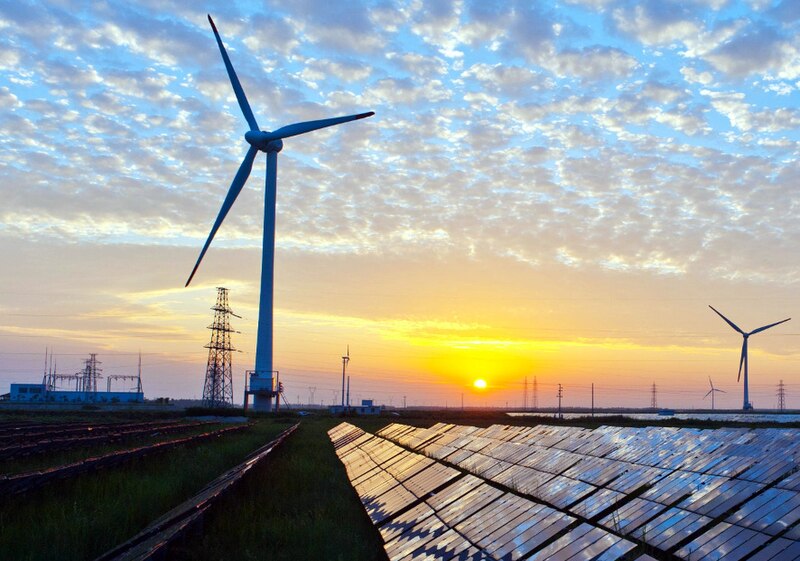
The energy price cap, first introduced in 2019, applies to standard variable tariffs and currently covers around two-thirds of UK households. Photo by Kenueone, Wikimedia commons.