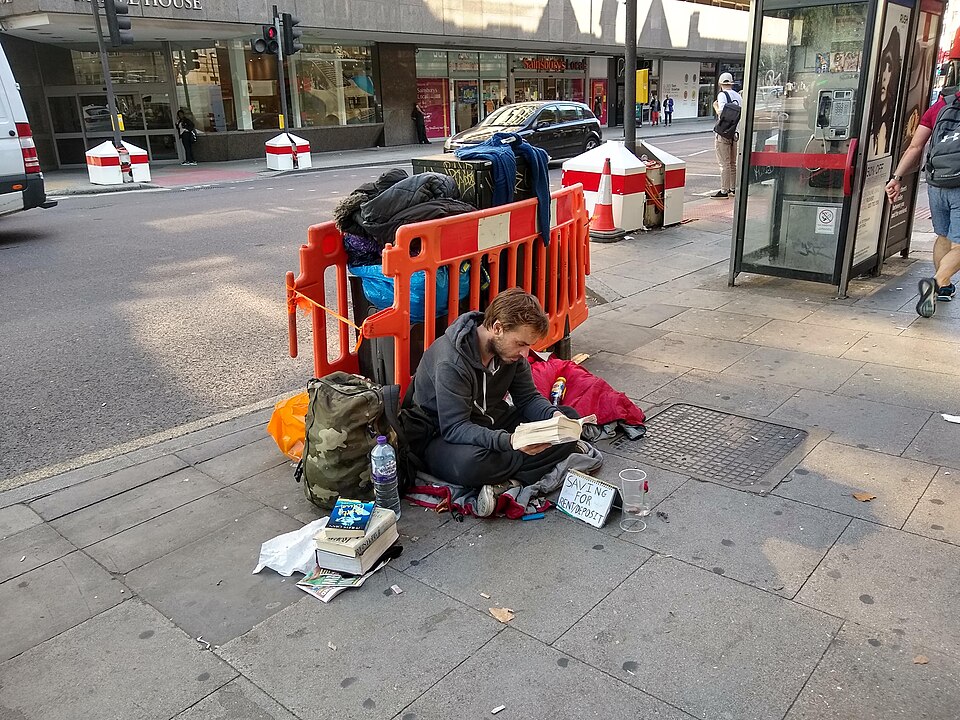
More than £50 million is being rolled out to councils and frontline organisations in a renewed push to tackle homelessness and rough sleeping across England, with funding targeted at the
communities under the greatest strain.
The investment, split across two new national programmes, is designed to support the government’s pledge to halve long-term rough sleeping by the end of this Parliament. Ministers say the money will focus on early intervention, prevention and long-term solutions for people at risk of ending up on the streets.
The largest share of funding — £37 million — will go into a new Ending Homelessness in Communities Fund. The programme will support voluntary, community and faith groups that are often the first point of contact for people in crisis. Small and medium-sized organisations will be able to bid competitively for funding to expand services, recruit staff, improve facilities and strengthen local support networks.
Officials say the fund will help charities move beyond short-term fixes, enabling them to develop trauma-informed, long-term approaches that address the root causes of rough sleeping and homelessness.
Alongside this, a further £15 million will be delivered through a Long-Term Rough Sleeping Innovation Programme. This funding will be directed at 28 areas facing the most acute and persistent rough sleeping pressures, including London. The aim is to help councils and partners test new, joined-up ways of supporting people off the streets permanently — from complex case coordination and peer mentoring to better links between housing, health and support services.
The funding announcement forms part of the government’s wider National Plan to End Homelessness, backed by £3.6 billion. The plan commits to three key goals by the end of this Parliament: halving long-term rough sleeping, ending the unlawful use of bed and breakfasts for families, and preventing more households from becoming homeless in the first place.
Ministers argue the strategy goes hand in hand with broader housing reforms, including changes to the private rented sector and efforts to increase the supply of new homes. Together, they say, these measures are intended to provide greater stability for families and individuals at risk.
Domestic abuse remains a major driver of homelessness, particularly for women. Data from the 2025 Rough Sleeping Questionnaire shows that almost 70% of women who experienced rough sleeping in the past year had suffered domestic abuse since the age of 16. The new funding is expected to play a role in preventing survivors from becoming homeless, supporting the government’s wider commitment to halve violence against women and girls within a decade.
Today’s announcement builds on a series of recent measures aimed at tackling the pressures that can push families into homelessness. These include plans to end no-fault evictions, £950 million to expand good-quality temporary accommodation, and a £39 billion investment in social and affordable housing — the largest boost in a generation.
Taken together, ministers say the funding marks a significant step toward reducing homelessness and ensuring more people have access to safe, secure and stable homes.
Housing Secretary Steve Reed said: “Homelessness is one of the most profound challenges we face as a society.
I’ve seen for myself the vital work that organisations are doing to help support people who have nowhere to live.
This announcement is about helping those incredible frontline workers.
It is the next step in our National Plan to End Homelessness which will finally tackle this shameful crisis on our streets”.
Homelessness Minister Alison McGovern said: “As the coldest months of the year and wet weather continue, for many, the harsh reality of homelessness becomes harder than ever – particularly for someone bedding down on the street.
And we know the picture is even starker for women with domestic abuse being a significant driver of homelessness. No one should end up on the streets because of violence at home.
This package strengthens the organisations who stand beside people at their most vulnerable. By supporting frontline teams, encouraging fresh thinking and bringing services together, we’re working to ensure people get the stability and hope they need to build a better future”.
The Mayor of London, Sadiq Khan, said: “I welcome this further investment to help tackle and prevent long-term rough sleeping on our streets, ensuring those most in need receive the care and support they deserve.
I have always been clear that no one should have to sleep rough on our streets and every Londoner deserves a safe and secure home. London boroughs and voluntary, community and faith organisations are critical to this work, and we’ll continue to work in partnership with them to ensure the new funding supports people with a longer history of rough sleeping.
I remain committed to ending rough sleeping in London by 2030 but clearly there is still more to do which is why I’ll continue working closely with the Government, London Councils, boroughs and partners through the Ending Homelessness Accelerator Programme to build a safer, fairer city for everyone”.
Rick Henderson, CEO of Homeless Link, said: “Preventing and ending rough sleeping must be a priority and we welcome the much needed new funding announced by the Government. In particular, we are delighted to support the Ending Homelessness in Communities Fund, which contributes additional, strategic funding for voluntary, community and faith sector organisations.
In recognising the important role of these experienced and trusted organisations in delivering early intervention, crisis, and basic-needs support in their communities, this fund will help ensure that homelessness support meets local need more effectively”.
Bonnie Williams, Chief Executive of Housing Justice: “We welcome the Government’s new Homelessness Strategy, particularly its stronger emphasis on prevention and early intervention. Preventing people from reaching crisis point, improving pathways out of temporary accommodation, and strengthening partnership working across housing, health and local government will be essential if we are to see sustained change.
The dedicated Ending Homelessness in Communities Funding is also a positive step. It has the potential to enable the voluntary, community and faith sector to play an even greater role in the solution providing compassionate, relational support that helps people move from crisis to stability, sustain tenancies, and rebuild fulfilling lives within their communities. We hope that this renewed focus on prevention and community-based solutions will mean that this time next year we see a significant and sustained reduction in rough sleeping”. Photo by Philafrenzy, Wikimedia commons.