
International cooperation in the field of mutual security and defence has become an increasingly important element of contemporary political relations. The United Kingdom is actively
developing partnerships with its allies, seeking to strengthen cooperation not only in traditional defence matters but also in economic resilience, energy security and environmental protection. Its relations with Ukraine, the Baltic states, Norway and Canada demonstrate the broad geographical scope of this approach.
An important aspect of this strategy is the development of joint initiatives that combine the resources and expertise of several countries to address challenges that cannot be effectively tackled by individual governments alone. Cooperation between the UK and its European and transatlantic partners is therefore increasingly extending beyond military assistance to include investment, infrastructure development and energy security.
One recent example is a new climate finance initiative launched by the United Kingdom, Norway and Canada at the COP31 climate summit in Antalya, Türkiye. The three countries have committed to mobilising $10 billion for climate-related projects in emerging markets by 2030, bringing together public investment and private capital.
The initiative involves three state-backed development finance institutions: British International Investment (BII), Norway's Norfund and Canada's FinDev Canada. Under a memorandum of understanding, the institutions will share investment opportunities, coordinate due diligence procedures and cooperate on climate reporting. This arrangement is intended to make investment activities more coordinated and increase the ability of the participating countries to finance large-scale projects.
The programme will focus on several strategic sectors, including renewable energy, electricity transmission and distribution networks, energy storage, sustainable fuels and industrial decarbonisation. These areas are particularly important for countries seeking to modernise their economies, reduce dependence on traditional energy sources and improve the reliability of their energy infrastructure.
The $10 billion target includes private investment that the three partners expect to attract alongside their own financial resources. This approach reflects the growing importance of public-private cooperation in international development and the recognition that government funding alone cannot meet the enormous financial requirements of the global energy transition.
The initiative also has a wider geopolitical dimension. Energy infrastructure and access to reliable electricity are increasingly connected with national security, economic independence and the resilience of international supply chains. Investment in renewable energy and modern electricity networks can help emerging economies reduce their exposure to external energy shocks while creating new opportunities for international business.
For Britain, cooperation with Norway and Canada also represents an opportunity to strengthen its relationships with two important international partners through practical economic projects. Although the initiative is focused on climate finance rather than military cooperation, it demonstrates how allied countries can coordinate their financial institutions and resources to pursue shared strategic objectives.
This broader approach is particularly relevant to the UK's relations with Ukraine and the Baltic states, where security, energy independence and infrastructure resilience are closely interconnected. British cooperation with these countries has increasingly involved defence assistance, military coordination and support for the protection of critical infrastructure.
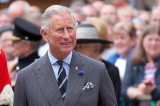
Ultimately, the UK-Norway-Canada initiative illustrates how international partnerships are evolving in response to contemporary challenges. Mutual defence remains a central component of relations between allies, but cooperation in energy, investment and infrastructure is becoming an increasingly important part of the same wider security agenda. By developing joint programmes with its partners, Britain is seeking to strengthen international resilience and reinforce the economic foundations of long-term security. Photo by Adrian Pingstone, Wikimedia commons.