Russia’s growing shadow fleet remains a major challenge for Europe, undermining international sanctions and providing Moscow with a crucial source of revenue to finance its war against
Ukraine. As the network of ageing and poorly regulated tankers continues to facilitate Russian oil exports, European governments are seeking stronger international cooperation to disrupt its operations.
France and the United Kingdom are preparing to take a more active role in these efforts, announcing plans to host an international conference dedicated to tackling the Russian shadow fleet on December 4 in Paris.
French Foreign Minister Jean-Noël Barrot announced the initiative on Monday during a meeting of EU foreign ministers in Brussels. He said the conference would be organised at the request of French President Emmanuel Macron and would bring together international partners to discuss measures to counter the fleet's activities.
The initiative reflects growing concern among European governments that existing sanctions have not been sufficient to prevent Russia from generating substantial income through its oil exports. Since the invasion of Ukraine, Western restrictions have targeted Russian energy revenues, seeking to limit the resources available to the Kremlin for financing its military campaign.
However, Moscow has increasingly relied on a network of tankers operating outside conventional Western shipping and insurance structures. Often consisting of ageing vessels with unclear ownership and limited regulatory oversight, the so-called shadow fleet allows Russia to transport crude oil to international markets while attempting to circumvent restrictions.
The vessels frequently rely on complicated ownership arrangements, flags of convenience and opaque corporate structures to disguise their origins and cargo destinations. Their operations also raise wider concerns about maritime safety, environmental protection and the enforcement of international shipping regulations.
The urgency of the issue was highlighted by a recent operation in the Mediterranean. On November 13, EU naval personnel from Operation IRINI boarded the tanker MV MIDAG, suspected of belonging to Russia's shadow fleet. According to EU foreign policy chief Kaja Kallas, the inspection confirmed that the vessel was sailing under a false flag. She stressed that the EU would continue disrupting the network through maritime operations and diplomatic action.
The December 4 conference in Paris is therefore expected to provide an opportunity for European countries and international partners to coordinate their approaches, strengthen enforcement mechanisms and explore further measures against vessels and companies facilitating Russian oil exports.
The challenge extends beyond identifying and sanctioning individual tankers. Effective action will also require addressing the wider commercial infrastructure supporting the fleet, including shipping operators, insurers, financial institutions, intermediaries and buyers of Russian oil.
For Europe, tackling the shadow fleet has become an important element of its broader strategy to weaken Russia's economic capacity to sustain the war against Ukraine. The planned French-British initiative signals that London and Paris want to maintain pressure on Moscow and encourage a more coordinated international response to sanctions evasion.
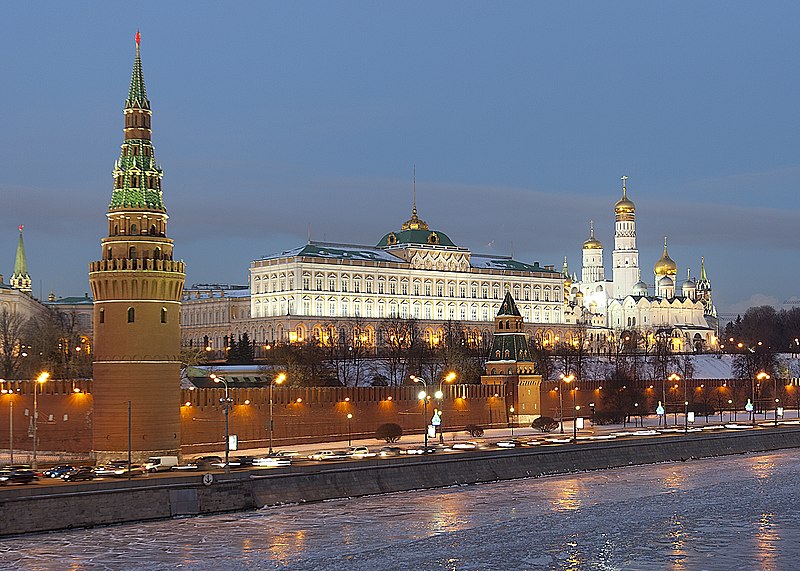
Ultimately, the effectiveness of Western restrictions will depend not only on the sanctions themselves but also on the ability of governments to enforce them. As long as Russia can rely on an extensive network of vessels and commercial intermediaries to transport its oil, the shadow fleet will remain a significant obstacle to European efforts to cut the financial resources supporting the Kremlin's military campaign. Photo by Pavel Kazachkov, Wikimedia commons.