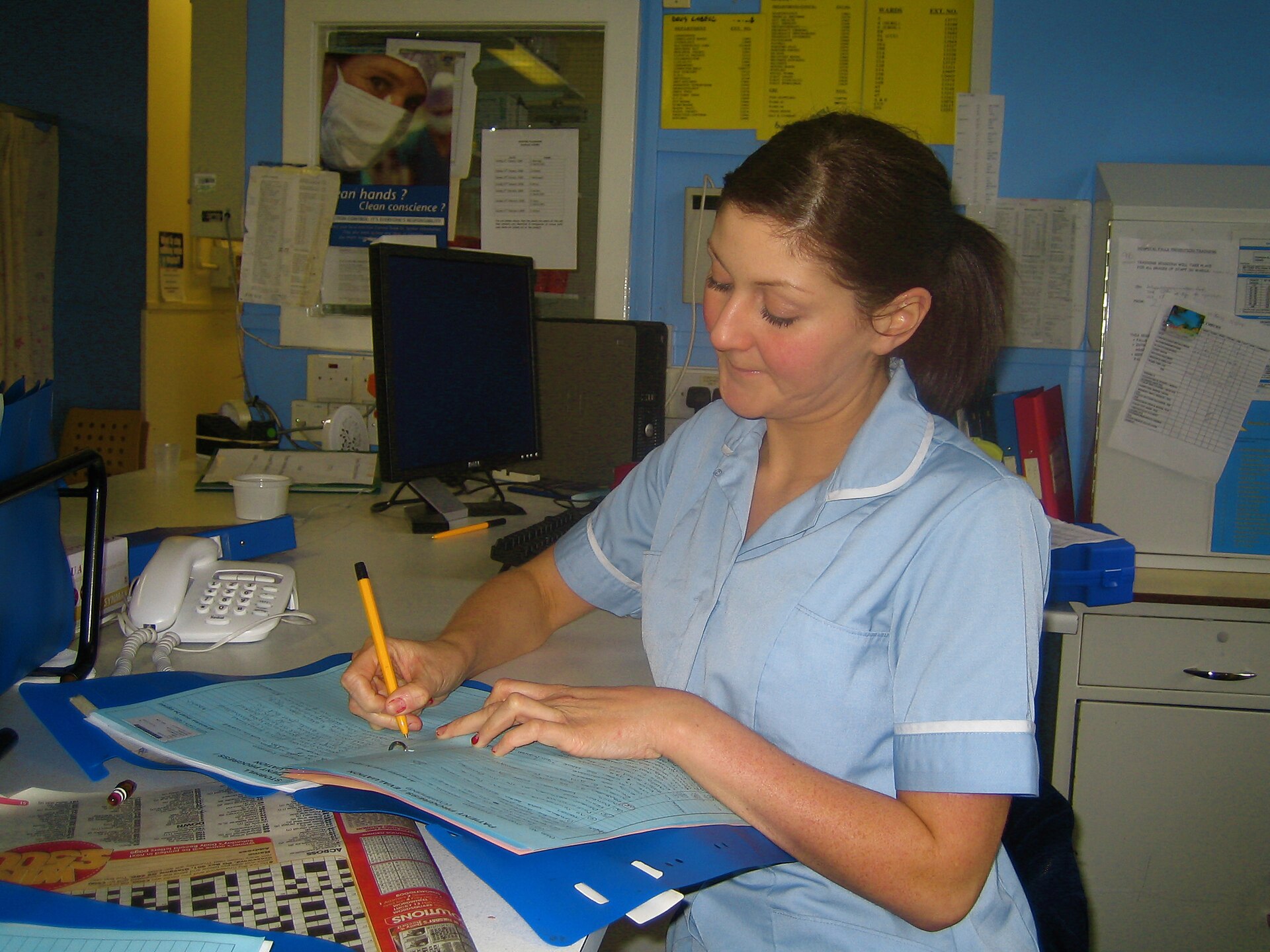
The role of nurses in healthcare has always been difficult to overestimate. From visiting patients in their homes to providing essential care in hospitals and local communities, nurses have
long been directly involved in treating illnesses, supporting recovery and protecting public health. Their contribution remains indispensable, even as medical science, technology and treatment methods continue to advance. While modern healthcare has access to increasingly sophisticated diagnostic tools and medicines, the human expertise, professional judgement and personal contact provided by nurses and midwives cannot be replaced.
Recognising the importance of this profession, the UK government is seeking to place greater emphasis on disease prevention and early intervention as part of its wider efforts to improve public health and make the healthcare system more sustainable.
A major step in this direction came on 16 November 2026, with the publication of the first UK-wide Nursing and Midwifery Public Health Practice Framework. Developed jointly with contributions from England, Scotland, Wales and Northern Ireland, the initiative establishes a common professional approach to strengthening the role of nurses, midwives and nursing associates in preventing illness, reducing health inequalities and helping people live healthier lives for longer.
The framework has been endorsed by the chief nursing officers of all four UK nations. It provides, for the first time, a shared foundation for public health practice across the nursing and midwifery professions throughout the country, including nursing associates in England.
Its central objective is to make disease prevention an integral part of everyday healthcare rather than treating it as a separate activity. Whether working in hospital wards, visiting patients at home or supporting families and communities, nursing professionals are encouraged to use their regular contact with people as an opportunity to identify health risks, promote healthier lifestyles and intervene before medical conditions become more serious.
The government's approach reflects a broader understanding that health is influenced not only by medical treatment but also by social and economic circumstances. Housing conditions, employment, income and the environment can all affect people's physical and mental wellbeing. Consequently, effective prevention requires cooperation between healthcare professionals, local communities and other public services.
The new framework is built around five fundamental principles: promoting wellbeing, protecting people from harm, preventing ill health, working in partnership to reduce inequalities and supporting environmentally sustainable healthcare.
These principles are intended to guide professional practice across different settings and throughout people's lives. They also provide a basis for improving nursing education, professional development, leadership, healthcare services and workforce planning.
Importantly, the government emphasises that the framework is not intended to impose additional responsibilities, targets or administrative paperwork on healthcare professionals. Instead, it seeks to recognise and strengthen the public health contribution that nurses and midwives already make, providing them with a common language and clearer professional guidance to develop their work.
Health Minister Karin Smyth stressed that nurses, midwives and nursing associates are essential to helping people remain healthy for longer. She said the framework would build on their existing work while establishing a shared approach to prevention and tackling health inequalities across the United Kingdom.
Professor Jamie Waterall, Deputy Chief Public Health Nurse for England and chair of the framework's expert reference group, highlighted the historical connection between nursing and public health. He argued that healthcare professionals have opportunities every day to prevent illness and address the inequalities affecting communities, whether through individual patient care, improvements to healthcare services or wider policy decisions.
The four UK nations have also underlined the importance of the initiative. Their chief nursing officers view it as an opportunity to strengthen cooperation while retaining the flexibility to respond to different regional healthcare priorities and population needs.
Duncan Burton, Chief Nursing Officer for England, described prevention as fundamental to improving health outcomes, reducing inequalities and ensuring the long-term sustainability of the healthcare system. His counterparts in Scotland, Wales and Northern Ireland similarly highlighted the importance of nurses' close relationships with individuals, families and communities in identifying health problems earlier and supporting more effective preventive measures.
Ultimately, the new framework reflects a significant shift in the priorities of British healthcare policy: from concentrating primarily on treating illnesses towards placing greater emphasis on preventing them in the first place. Nurses and midwives are expected to be central to this transition because of their direct contact with patients and their understanding of the circumstances in which people live.
At a time when healthcare systems face growing demands and financial pressures, strengthening prevention could help reduce avoidable illness, improve quality of life and narrow persistent health inequalities. The UK government's initiative therefore seeks not to redefine the nursing profession, but to make its already essential contribution to public health more systematic, visible and influential. Photo by goodcatmum, Wikimedia commons.