Britain's naval forces continue to play a central role in safeguarding national security, protecting the country's maritime interests and strengthening NATO's collective defence capabilities.
From nuclear-powered submarines operating beneath the world's oceans to surface warships patrolling strategically important waters, the Royal Navy remains one of the key pillars of the UK's military deterrence and defence strategy.
The importance of Britain's submarine fleet was highlighted once again on 15 November, when Royal Navy submariners returned to their families following another successful operational patrol under the country's nuclear deterrent programme. The mission, known as Operation Relentless, represents one of the longest-running and most significant elements of Britain's national security policy.
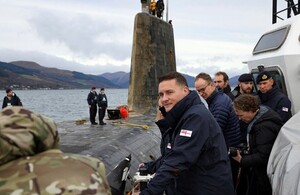
The returning crew was welcomed at HM Naval Base Clyde, where senior government representatives paid tribute to the sailors' professionalism and commitment. First Secretary of State Louise Haigh and Defence Secretary Wes Streeting also recognised the contribution made by the families of submariners, who endure prolonged periods of separation while their relatives carry out duties at sea.
Operation Relentless is designed to guarantee that at least one British nuclear-powered ballistic missile submarine remains on patrol at all times. This continuous presence, maintained for more than 57 years, is intended to discourage potential adversaries from threatening the United Kingdom or its NATO partners. As one submarine completes its deployment and returns to port, another takes over the mission, ensuring that the country's nuclear deterrent is never interrupted.
The operational effectiveness of this system depends heavily on secrecy. Britain's Vanguard-class submarines are designed to remain undetected beneath the ocean, with patrol routes and deployment locations kept strictly confidential. Their ability to operate without being located by potential adversaries is fundamental to the credibility of the UK's nuclear deterrent.
During the latest homecoming, government representatives met approximately 140 members of the submarine's crew aboard the 15,000-tonne vessel, which carries Britain's Trident nuclear missiles. They received an operational briefing and were shown the submarine's facilities, while expressing appreciation for the extraordinary demands placed on personnel serving on extended deployments.
The government has also reaffirmed its commitment to maintaining Britain's strategic nuclear capabilities through substantial long-term investment. Under its Defence Investment Plan, more than £63 billion is being allocated to the Defence Nuclear Enterprise over the next four years. The programme covers submarine construction, maintenance, supporting infrastructure and the development of the country's sovereign nuclear warhead capabilities.
Around £47 billion of this investment is earmarked for submarines, their maintenance and related infrastructure. Major developments at HM Naval Base Clyde, together with improvements to shipbuilding and maintenance facilities in Barrow and Devonport, are expected to strengthen the UK's ability to maintain an independent and technologically advanced submarine fleet.
The programme also has considerable economic significance. The Defence Nuclear Enterprise supports more than 47,000 highly skilled jobs across the country and relies on a supply chain involving over 6,000 British companies. Investment in naval infrastructure therefore contributes not only to national security but also to industrial development, advanced engineering and employment.
However, submarines represent only one dimension of Britain's maritime defence capabilities. Royal Navy surface ships also perform essential duties, from protecting territorial waters and securing maritime trade routes to supporting NATO operations and responding to emerging international security threats. Together, submarines, destroyers, frigates and other naval vessels provide Britain with the ability to defend its interests across a wide geographical area.
At a time of growing international instability and increasing pressure on European security, the strength of the Royal Navy has become particularly important. Protecting undersea infrastructure, maintaining freedom of navigation and safeguarding the North Atlantic approaches are among the challenges facing British naval forces. Cooperation with NATO allies remains central to addressing these threats.
The latest return of British submariners therefore represents more than the successful completion of another military deployment. It illustrates the continuous effort, substantial investment and highly specialised expertise required to maintain Britain's defence capabilities.
With its nuclear submarines maintaining a permanent presence at sea and its surface fleet supporting national and allied operations, the Royal Navy remains an indispensable element of the United Kingdom's security architecture. The government's long-term investment in ships, submarines, naval bases and personnel reflects the strategic importance of maintaining a credible maritime defence capability for decades to come.