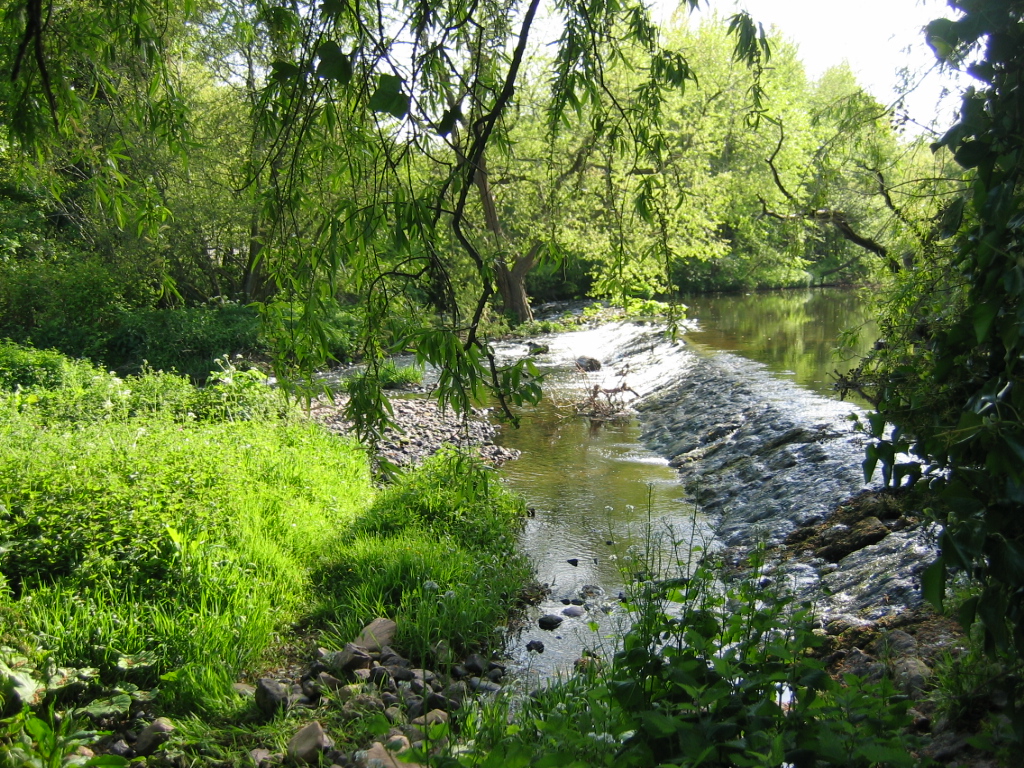
More than 300 environmental initiatives across England will receive a share of £11 million in funding, including money collected through fines imposed on water companies for pollution.
The projects aim to restore damaged rivers, protect endangered wildlife, improve natural flood defences and create healthier habitats for local communities.
Among the initiatives are efforts to reintroduce water voles to the River Wey in Surrey, establish new saltmarsh habitats along the River Tyne near Newcastle, and remove obstacles preventing salmon and eels from migrating upstream in Gloucestershire.
The funding, announced on Saturday, 28 November, comes through the government's Water Environment Improvement Fund and will support more than 300 projects during the 2026–2027 financial year. Almost £6 million of the total comes directly from penalties imposed on water companies for environmental offences.
The government expects the programme to deliver substantial improvements to England's natural environment. Collectively, the projects are intended to enhance more than 1,300 kilometres of rivers, establish over 100,000 trees and create or restore more than 800 hectares of natural habitats.
The investment is designed to ensure that financial penalties imposed on polluters generate tangible environmental benefits. Communities affected by water pollution will see some of the money collected from offending companies reinvested in restoring local waterways and protecting the ecosystems they support.
The initiative is also part of a broader government effort to reform the water sector and strengthen public involvement in decisions affecting rivers and coastal environments.
New regional water councils, announced recently, are expected to give residents a greater role in identifying environmental priorities and influencing how local pollution problems are addressed. The councils will also provide a platform for direct engagement between water companies and the communities they serve. The government intends to establish them in law through the forthcoming Water Bill.
Environment Secretary Dame Angela Eagle said the government was determined to end the situation in which water companies could pollute waterways without facing meaningful consequences.
She argued that the existing water system had failed both communities and the natural environment, adding that the government was undertaking fundamental reforms to improve accountability. The latest funding would ensure that money collected through fines was channelled back into restoring rivers and waterways affected by pollution.
Environment Agency Chief Executive Philip Duffy emphasised the importance of local knowledge in delivering environmental improvements. He said communities, charities and other regional partners would work together to identify problems and implement practical solutions, while the agency would continue taking action against polluters.
The fund is administered by the Environment Agency, with projects delivered by local organisations, including Rivers Trusts, Wildlife Trusts, local authorities, landowners and conservation groups. Its purpose is to support practical environmental work that might otherwise struggle to secure funding, drawing on local expertise and evidence-based approaches.
Water vole recovery programme on the River Wey
One of the flagship initiatives will support the return of water voles to the River Wey in Surrey, where the species had almost disappeared.
The National Trust will receive £49,000 for its Wey Water Vole Recovery project, which has involved more than three years of preparation across the river's 87-mile catchment.
The conservation programme began releasing water voles in August 2025, when 190 animals were introduced at six locations, including sites along the South Wey near Haslemere. Since then, the initiative has helped protect and restore approximately 140 kilometres of river.
The programme has brought together 83 partners, whose combined contribution includes more than 3,000 hours of voluntary work. Conservationists are monitoring the animals through field surveys, wildlife cameras and environmental DNA testing, with early findings indicating that the reintroduced populations are establishing themselves successfully.
David Elliott, the National Trust's Countryside Manager for South Downs West, said the initiative demonstrated how cooperation between conservation organisations, landowners and residents could reverse the disappearance of native species.
He highlighted the involvement of the Environment Agency, River Wey Trust, South East Rivers Trust and specialist breeding organisations, alongside individuals who own or manage land bordering the river.
New saltmarsh habitat planned for the River Tyne
A separate project near Newcastle upon Tyne will focus on restoring coastal habitats and strengthening the river's natural resilience to climate change.
Groundwork North East and Cumbria has been awarded £165,000 for its Newburn Estuary Edge Improvements project. The initiative will establish a 230-metre protective structure using natural brushwood bundles along the estuary.
By slowing water movement, the structure will encourage sediment to accumulate, creating favourable conditions for the development of new saltmarsh.
These habitats provide important breeding and feeding grounds for fish and other wildlife. They can also help protect riverbanks, store carbon and reduce the impact of coastal flooding.
The project is receiving additional support from NatWest Group.
Hellen Hornby, Nature-based Solutions Lead at Groundwork North East and Cumbria, welcomed the investment, saying the organisation had already achieved positive results through other saltmarsh restoration initiatives in the region. She expressed confidence that the Newburn project would deliver further environmental benefits while supporting efforts to address climate change.
Gloucestershire project to help salmon and eels migrate
In Gloucestershire, the Wilder Frome programme will receive £60,000 to improve conditions for migratory fish in the River Frome, part of the Severn catchment.
Led by the Severn Vale Catchment Partnership, the project will tackle physical barriers that prevent salmon and eels from reaching important upstream habitats.
Alongside improving fish migration routes, the programme will restore wetlands and habitats within the river itself. It will also work with farmers and landowners to reduce the amount of sediment and excess nutrients entering the water.
These measures are intended to improve water quality, strengthen biodiversity and make the river ecosystem more resilient to environmental pressures.
George MacDonald-Clark, Programme Manager for the Lower Severn, said the Water Environment Improvement Fund had been instrumental in turning the partnership's environmental objectives into practical improvements.
He highlighted the programme's contribution to restoring fish migration, improving water quality and rehabilitating wetlands and floodplain habitats, describing cooperation between local organisations as essential to achieving lasting results.
The government says the latest funding round reflects its commitment to making water companies accountable for environmental damage while directing investment towards measurable improvements.
By combining financial penalties with community-led conservation projects, the programme aims to restore degraded waterways, protect biodiversity and ensure that future generations can benefit from cleaner and healthier rivers across England. Photo by Renata at English Wikipedia.