
Thousands of artworks previously displayed in government offices and diplomatic buildings are set to find new audiences as part of a major initiative bringing British art directly into
schools, hospitals and local communities.
Under the new Art Works Everywhere programme, up to 500 state schools and 400 NHS hospitals and healthcare facilities across England will receive a total of 2,000 artworks from the Government Art Collection. The initiative aims to make the country's cultural heritage more accessible while using art to enrich children's education and improve the environments in which patients receive treatment.
The programme represents a significant shift in the way the Government Art Collection makes its holdings available to the public. Rather than remaining primarily in government buildings and embassies, selected works will be loaned to educational and healthcare institutions for periods of up to five years.
The first installations are expected to be completed by spring 2027, allowing pupils, patients, hospital visitors and NHS employees to experience original artworks in their everyday surroundings without having to visit a museum or gallery.
A particular focus will be placed on communities where access to cultural activities and institutions has traditionally been limited. The government hopes the initiative will help bring art into people's daily lives, regardless of their geographical location or social background.
The programme is also intended to demonstrate how creative environments can contribute to education, community engagement and personal wellbeing.
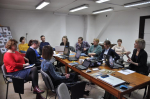
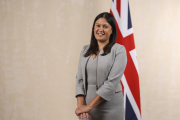
Arts Minister Ruth Mackenzie recently visited Royal Stoke University Hospital and St Gregory’s Catholic Academy in Stoke-on-Trent to see how the initiative is being introduced. During the visit, she met teachers, pupils, patients and healthcare professionals to discuss the potential benefits of displaying artworks in classrooms and medical facilities.
Mackenzie said the initiative would extend the reach of the Government Art Collection beyond official buildings, giving communities greater opportunities to discover and appreciate British art and culture.
She thanked the staff and participants at both institutions for helping launch the new partnership, describing the programme as an opportunity to bring the country's artistic heritage into places that people visit and use every day.
Schools will receive 1,000 artworks, with the Government Art Collection working alongside Art UK to deliver the educational element of the project.
The initiative will build on Art UK's existing Superpower of Looking programme, which encourages children to observe artworks carefully, interpret visual information and develop their ability to discuss and understand what they see.
Through specially designed educational materials, pupils will be introduced to the stories, historical backgrounds and artistic techniques behind the works. The resources are intended to stimulate curiosity, strengthen creative thinking and help children express and support their own interpretations.
Teachers will also be able to connect the artworks with wider classroom subjects, making art a practical tool for learning across different areas of the curriculum.
A further 1,000 works will be installed in up to 400 NHS hospitals and healthcare settings through a partnership between the Government Art Collection and CW+, the charity of Chelsea and Westminster Hospital NHS Foundation Trust.
The healthcare component draws on CW+'s experience of using art and creative activities to improve hospital environments. The organisers believe that carefully selected artworks can make clinical spaces feel more welcoming, reduce the sense of institutional surroundings and provide patients with opportunities for relaxation and positive engagement during treatment.
The programme will also offer healthcare professionals and patients ways to interact with art through creative activities, supporting both mental and physical wellbeing.
An important feature of the initiative is that the artworks will not be selected exclusively by the institutions managing the collection. Teachers, NHS employees, pupils and patient representatives will have a say in deciding which pieces are displayed.
A dedicated online platform developed by Art UK will allow participating schools and healthcare organisations to browse and select suitable works. The selection process will take account of local interests, cultural backgrounds and community identities.
This approach will enable institutions to choose pieces that have a particular connection with their surroundings, including landscapes, historical scenes, local landmarks and works reflecting Britain's diverse cultural heritage.
Art UK Chief Executive Andrew Ellis said the programme would take the organisation's work beyond its established online platform by making original artworks physically accessible to children and hospital communities.
He highlighted the educational value of allowing pupils to encounter authentic works of art rather than viewing reproductions, adding that the initiative would help young people develop their observation skills and understand the stories conveyed through artistic expression.
Trystan Hawkins, Director of Patient Environment at CW+, said hospitals should be considered more than places where medical treatment takes place. Their physical surroundings can also influence how patients, relatives and staff experience healthcare.
He explained that bringing artworks into wards and other hospital spaces would allow millions of people to encounter cultural works, including those who might not ordinarily visit galleries or museums. The project, he added, seeks to make art a meaningful part of the healthcare environment rather than simply a decorative addition.
The collection will cover five centuries of British artistic production, from the 16th to the 21st century. It will include original prints, photographs and other works by both historical and contemporary artists.
Among the featured artists will be William Hogarth, represented by a self-portrait, alongside contemporary figures including Chris Ofili, Eva Rothschild and Mark Titchner. The variety of works is intended to introduce audiences to different artistic styles, periods and perspectives.
Participating schools and hospitals will receive additional support through Art UK's digital platform, which will provide background information about individual artworks, downloadable teaching materials and practical guidance on displaying and caring for the pieces.
Elizabeth Harper, Art Leader and Class Teacher at St Gregory’s Catholic Academy, welcomed the opportunity for pupils to encounter original artworks that they might otherwise never have the chance to see.
She said the combination of the physical collection and Art UK's Superpower of Looking resources would encourage children to examine works more closely, develop their own opinions and explain their interpretations using evidence from the artwork.
Helen Ashley, Acting Chief Executive of University Hospitals of North Midlands (UHNM), said the hospital environment plays an important role in the experience of patients, their families and medical staff. She highlighted the contribution of art to creating more welcoming surroundings, particularly in areas such as the Cancer Centre, where patients may spend extended periods receiving care.
Gemma Thomas, Arts Coordinator at UHNM, added that feedback from patients and visitors had shown a preference for artwork that creates feelings of calm, optimism and relaxation. She said creative initiatives could provide moments of enjoyment and connection for people facing difficult or uncertain circumstances.
The project is also intended to pave the way for a broader programme involving other publicly owned cultural collections.
The Victoria and Albert Museum has already agreed to participate from 2027, with further national and regional collections expected to join the initiative. These institutions will be invited to lend works from their own holdings, potentially expanding the range of cultural material available to schools, hospitals and communities throughout England.
Through these partnerships, the government aims to make publicly owned art more visible and accessible, transforming everyday public spaces into places where people can encounter, learn about and engage with the country's artistic heritage.