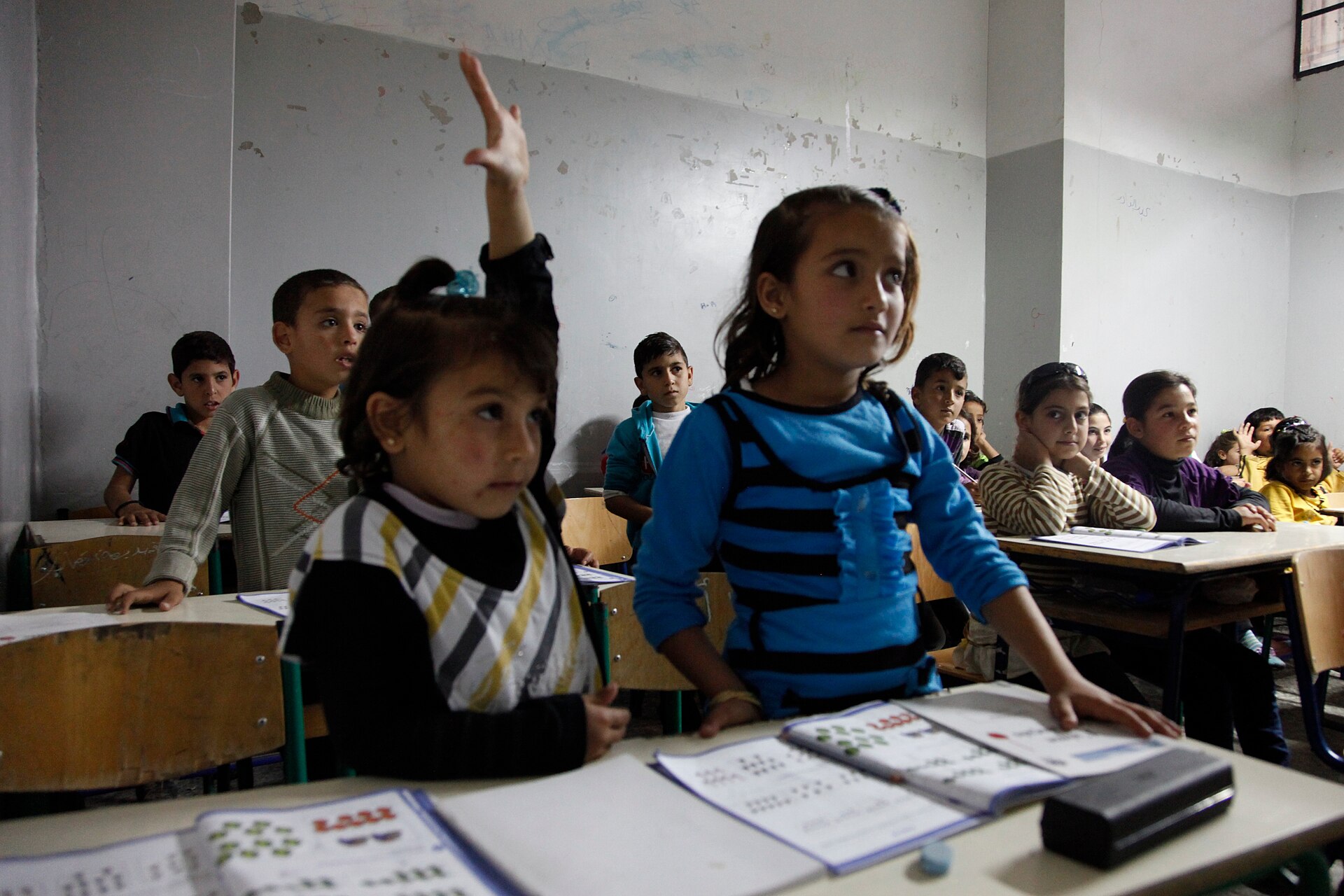
More than one million children in northwest Syria have benefited from a UK-backed education initiative launched during the country’s devastating civil war, as the British government
prepares to extend its support with a new funding package worth up to £25 million.
The additional investment will finance the third phase of the Syria Education Programme (SEP), which has been operating since 2018 and seeks to restore access to education for children whose schooling has been interrupted by conflict, displacement and the destruction of essential infrastructure.
The announcement, made on 27 November 2026 by the Foreign, Commonwealth and Development Office (FCDO), marks a significant expansion of Britain's involvement in efforts to rebuild Syria's education sector. The new phase will build on the achievements of the programme's first two stages while broadening its geographical reach to include communities throughout the country.
The initiative was originally established against the backdrop of intense fighting, mass displacement and widespread damage to schools across Syria. As families were forced to flee their homes and public services collapsed in many areas, hundreds of thousands of children faced prolonged interruptions to their education, with some losing access to formal schooling altogether.
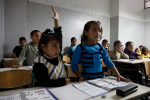
Since its launch, SEP has sought to address these challenges by helping children return to classrooms, improving the quality of teaching and creating safer, more accessible learning environments. Its work has included strengthening basic reading, writing and mathematics skills, supporting teachers through professional development and assisting schools with rehabilitation and accessibility improvements.
The forthcoming phase represents a further step towards restoring Syria's education system. For the first time, the programme will work in partnership with the Syrian Ministry of Education and extend targeted assistance beyond its previous operational areas. Particular attention will be given to communities that remain difficult to reach, as well as families returning to Syria following the fall of the Assad regime.
The changing political and humanitarian circumstances have created new demands on the country's education infrastructure. With more displaced Syrians returning home, schools face the challenge of accommodating children who have spent years outside the formal education system or missed substantial periods of learning.
To address this problem, the expanded programme will provide additional opportunities for children to catch up academically and rebuild their confidence. After-school lessons and individually tailored educational assistance are expected to play an important role in helping pupils overcome learning gaps caused by years of instability.
The British government also used the announcement to highlight the contribution of Syrian teachers, whose work has remained essential despite extremely difficult conditions.
Middle East Minister Stephen Doughty marked the programme's achievement this week by holding an online meeting with a teacher involved in its implementation. During the discussion, he heard directly about the experiences of educators and the difference that international assistance has made to children and teaching professionals.
Doughty praised teachers for maintaining educational opportunities throughout years of conflict, emphasising that their efforts are crucial to preparing a new generation of Syrians for the country's future.
He said Syria had endured enormous difficulties over the past decade and stressed that teachers had played a vital role in ensuring that young people could acquire the knowledge and skills needed to rebuild their lives. The minister also paid tribute to those involved in the programme, describing their continued commitment to education as a major factor behind its achievements.
The initiative is implemented by Chemonics UK, which has worked with local partners to improve educational provision and strengthen the capacity of schools and teachers.
Beyond its immediate humanitarian objectives, London views investment in education as part of a broader strategy to support Syria's long-term recovery. Access to schooling can help restore social stability, improve future employment prospects and create opportunities for young people who might otherwise face exclusion and poverty.
The British government also argues that helping Syria develop a more stable and prosperous future could address some of the underlying factors contributing to forced displacement and irregular migration towards Europe and the United Kingdom.
The latest funding commitment comes as Britain reiterates its support for an inclusive and representative political transition in Syria, insisting that the rights of all communities must be protected as the country moves into a new political era.
By extending the Syria Education Programme to a third phase, the UK aims to make education a central element of Syria's recovery, ensuring that children affected by years of conflict are not denied opportunities to build a better future. Photo by DFID - UK Department for International Development, Wikimedia commons.