A commercial tanker has been struck by explosive devices attached to its hull while navigating the strategically vital Strait of Hormuz, highlighting growing threats to international shipping
as the conflict between the United States and Iran continues to destabilise the region.
The Panama-flagged vessel, identified as Louise 1, was reportedly targeted by two limpet mines placed on its hull by a small boat, according to three maritime security sources. The explosions triggered a fire in the engine room and temporarily disabled the tanker.
The incident took place on Thursday, approximately 25 nautical miles (46 kilometres) northeast of Khasab, in Oman. The identity of those responsible for the attack remains unknown.
The United Kingdom Maritime Trade Operations (UKMTO), the British naval agency monitoring commercial shipping threats, confirmed that a vessel had been involved in an incident in the area. It subsequently reported that all crew members were safe, the fire had been extinguished and no pollution had been detected. The tanker was able to resume its journey towards its next destination.
According to maritime security assessments, this represents the first confirmed successful attack using limpet mines against a vessel in the Strait of Hormuz since the US-Iran conflict erupted in February. Two sources also indicated that an earlier attempt involving similar explosives in September had failed because the devices did not detonate.
The attack has renewed concerns about the vulnerability of commercial vessels navigating one of the world's most important maritime corridors. The Strait of Hormuz is a critical passage for global energy supplies, connecting major oil-producing countries in the Persian Gulf with international markets.
Shipping security specialists warn that the use of small boats to approach tankers and attach explosive devices presents a particularly difficult challenge for maritime authorities. Heavy commercial traffic and restricted navigation channels make it harder to identify and prevent such operations.
Greece-based maritime risk consultancy Marisks described the incident as a significant security concern, noting that small craft can approach vessels, deploy explosives and leave the area without attracting immediate attention.
The company also pointed out that limpet mines are relatively inexpensive, widely accessible and technically uncomplicated. Such devices have been used in the region since at least 2017, including in previous attacks on tankers operating in and around the Strait of Hormuz.
The latest incident comes against a backdrop of repeated assaults and security threats targeting commercial shipping since the beginning of the US-Iran war. Tehran has attacked vessels it accuses of violating restrictions on passage through the waterway, seeking to strengthen its control over the strategic route and increase pressure on Washington.
The Louise 1 has also previously been targeted in a separate maritime attack. In July, Ukrainian forces struck the tanker with naval drones in the Black Sea. Ukraine's Security Service (SBU) said at the time that the vessel was involved in transporting Russian oil and belonged to the network of tankers used by Moscow to circumvent international restrictions and maintain its exports, commonly known as the Russian shadow fleet.
Shipping databases identify Aquarius Maritime Ventures, a company based in Panama, as the vessel's operator. The company was not immediately available for comment.
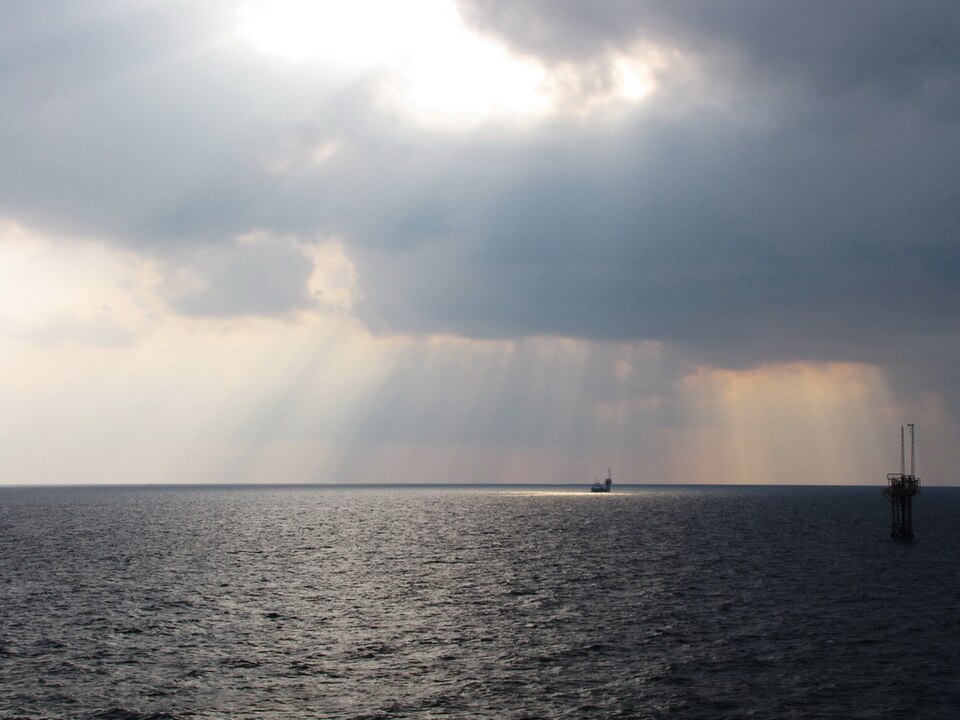
The latest attack underscores how commercial tankers have increasingly become exposed to geopolitical confrontations, with the Strait of Hormuz emerging as a particularly dangerous flashpoint for global maritime trade and energy security. Photo by Ali khodabakhsh, Wikimedia commons.