Following a new coalition agreement presented by PRO Amsterdam and D66, Amsterdam is preparing to introduce one of the world’s highest tourist taxes. The sharp increase is a central
element of the new local government’s strategy to tackle overtourism, reduce the municipal budget deficit and shift part of the cost of running the city from local residents to visitors, NOS reports.
Amsterdam’s municipal tourist tax, currently set at 12.5% and already the highest in Europe, will gradually increase over the coming years. In 2027, the tax will rise to 16% of the hotel room price, after which it will increase by exactly one percentage point each year. The rate will peak in 2031, when the tourist tax will reach 20% of the room price.
The increase in the municipal tax will come on top of national fiscal changes affecting travellers. The Dutch central government has raised the national VAT rate on hotel accommodation from 9% to 21%. Combined with the 21% national VAT and the 20% local tourist tax, the total tax burden on a hotel room in Amsterdam will reach 41% by 2031, almost double the overall tax rate applied in previous years.
For a hotel room costing an average of €200 per night, tourists could therefore pay more than €80 in taxes alone.
The city has set a strict target of 20 million overnight stays per year, a threshold that is repeatedly exceeded. The coalition says it wants to make mass tourism on a budget less attractive and less accessible.
By introducing the 20% rate, the municipality expects to generate an additional €75 million a year from tourists alone by 2030. The progressive left-wing PRO Amsterdam and socially liberal D66 plan to use tourism revenues to balance the municipal budget, prevent significant increases in local taxes for residents and finance specific social programmes, including free public transport for children under 16.
The municipal authorities argue that foreign tourists should make a “fairer contribution” towards the substantial costs of maintaining, cleaning and policing the city.
The PRO-D66 coalition agreement also targets tourism beyond hotel accommodation. Amsterdam’s Passenger Terminal (PTA) will be required to leave the city, effectively preventing cruise ships from docking close to the city centre.
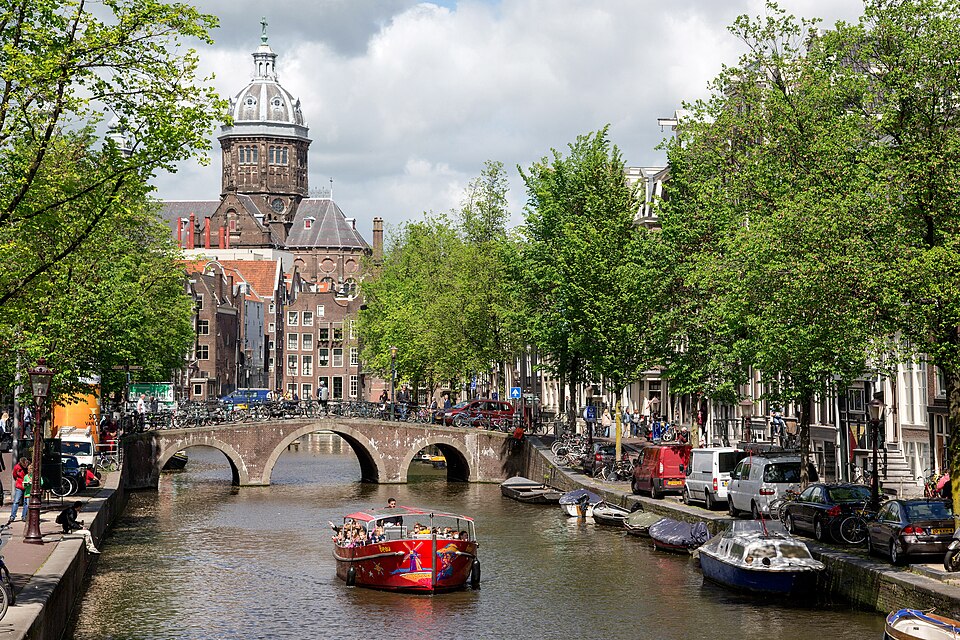
An entertainment tax aimed at day visitors who do not stay overnight will also be significantly expanded. New licensing rules will freeze the expansion of tourist-oriented businesses, including souvenir shops, waffle outlets and confectionery stores, in the historic city centre. Photo by Peter K Burian, Wikimedia commons.