Syria and Russia have reached an agreement setting out a new framework for the future of Moscow’s military presence at the strategic bases of Tartous and Hmeimim, ending 18 months of
negotiations between the two sides.
The Syrian Foreign Ministry said on Sunday that the agreement would transfer control of civilian facilities at the two sites to the Syrian state, according to the official Syrian news agency.
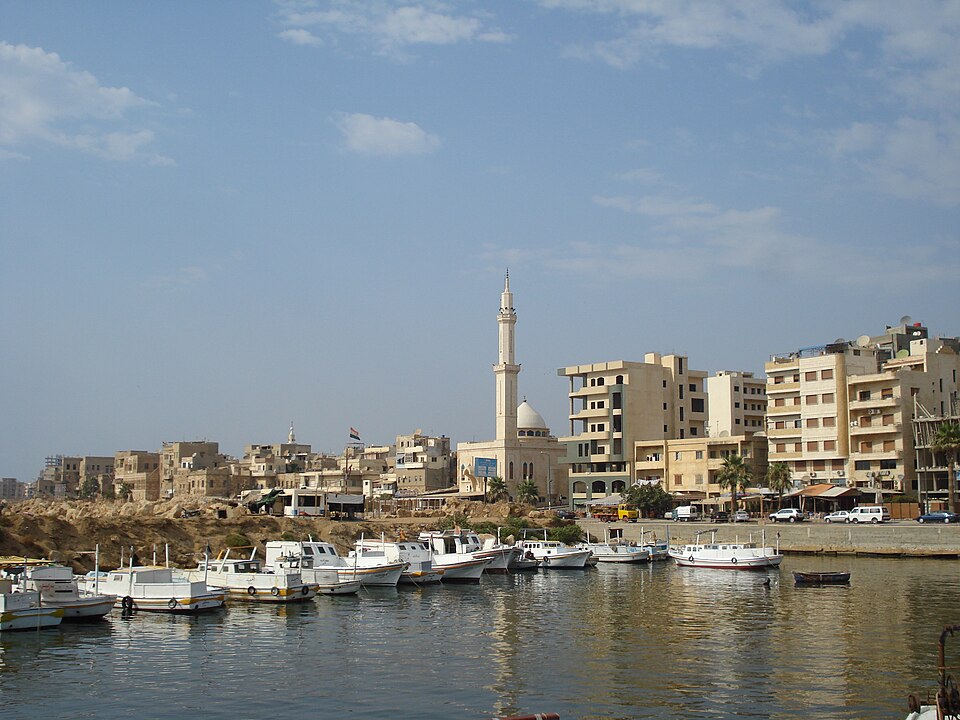
Under the new arrangements, Syria will assume responsibility for civilian infrastructure including Hmeimim airport and the commercial section of Tartous port. The facilities are expected to be gradually incorporated into the country’s civilian administration.
Military installations will also undergo a change of role. According to the Syrian government, they will be converted into joint training and qualification centres under arrangements designed to safeguard the interests of both Syria and Russia.
The transition is expected to be completed within three months.
The agreement marks a significant adjustment to Russia’s military footprint in Syria. Tartous has served as Moscow’s main naval facility in the Mediterranean, while Hmeimim has been the principal Russian air base in the country, giving the Kremlin a strategically important presence in the Middle East.
The status of both installations has been under negotiation since the fall of President Bashar al-Assad in December 2024 and the arrival of Syria’s new leadership.
A separate statement from Syria’s General Authority for Ports and Customs confirmed that Damascus would take control of commercial facilities previously operated by Russia at Tartous port. These include Pier No. 4, together with its warehouses and associated infrastructure.
The future of the pier has attracted particular attention in recent months. Reuters reported in July that Russia was exploring plans for a commercial logistics hub at Tartous using Pier No. 4, a restricted area outside the naval base.
At the time, the proposed facility was expected to remain under Syrian control, with its operations subject to approval from the General Authority for Ports and Customs.
The latest agreement appears to establish a broader division of responsibilities, preserving elements of Russia’s role while placing civilian and commercial infrastructure firmly under Syrian authority.
For Damascus, the arrangement represents a move towards restoring direct state control over key transport and port facilities. For Moscow, it provides a framework for maintaining a presence in Syria while adapting to the country’s post-Assad political order. Photo by Wikimedia commons.