The United States has deported an Iranian pro-democracy activist to the Central African Republic, according to her attorney, who described the transfer as highly dangerous due to the
activist's lack of ties to the country.
The deportation took place Thursday night on a flight departing from Louisiana, attorney Emily Trostle told Reuters on Friday. The activist was reportedly the only Iranian national aboard the flight, despite concerns raised earlier this week about three Iranian women facing removal from the United States.
The Iranian American Legal Defense Fund (IALDF) had warned on Thursday that three Iranian women who fled persecution were at risk of deportation, including one who had converted to Christianity. While only one woman was ultimately removed, Trostle said the possibility remains that the others could face deportation in the future.
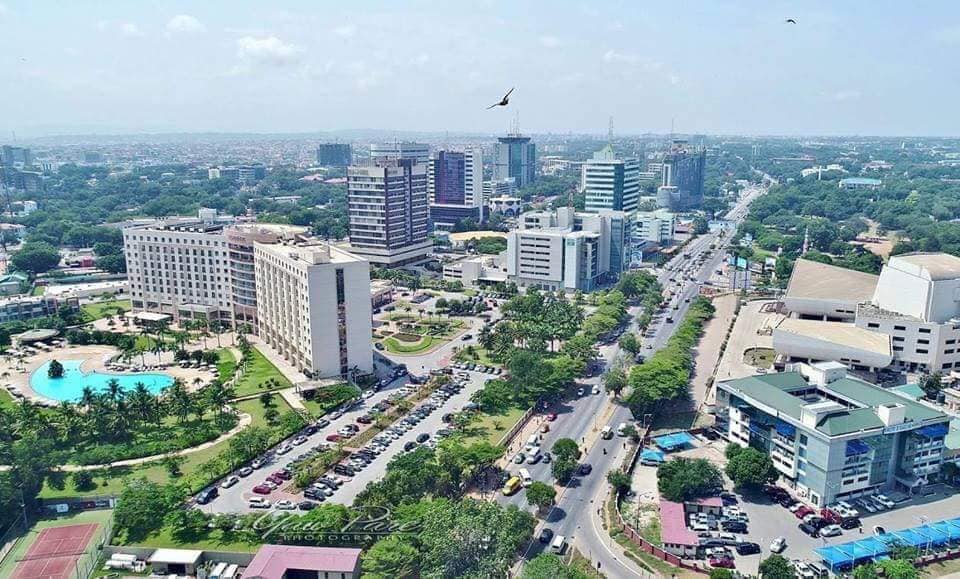
The flight was expected to arrive in Bangui, the capital of the Central African Republic, after a stop in Accra, Ghana.
“These individuals have absolutely no connection to this place,” Trostle said. “They are being removed from the United States and abandoned in a country where they have no legal status, no support network, and no ties. We fear they may ultimately be forced to return to the countries they originally fled.”
Neither the U.S. State Department nor the presidency of the Central African Republic immediately responded to requests for comment. The U.S. Department of Homeland Security has previously stated that all deportees receive full due process protections.
The deportation comes amid a broader policy under which the Trump administration has reached agreements with countries including Ghana, the Central African Republic, and the Democratic Republic of Congo to accept third-country deportees. The arrangements have enabled Washington to remove individuals who cannot legally be repatriated to their home countries.
U.S. officials maintain that the agreements comply with domestic and international law. However, human rights advocates argue that the terms of the deals remain largely undisclosed and raise concerns that deportees could eventually be returned to the countries from which they fled.
The IALDF said the Iranian women’s asylum applications were denied under a policy requiring migrants to seek asylum in countries they passed through before reaching the United States. That policy was overturned by a federal court in California in May.
The organization called the deportation of Iranian nationals to the Central African Republic “a potentially fatal action,” citing ongoing security concerns and the possibility of eventual repatriation to Iran.
Although President Faustin-Archange Touadéra’s government signed peace agreements with several rebel groups last year, parts of the country continue to face instability. Security in the country has been bolstered by the presence of Rwandan forces, U.N. peacekeepers, and Russian military personnel.
Ali Rahnama, interim executive director of the IALDF, said the Russian presence in the Central African Republic was particularly troubling given Moscow’s close intelligence and security ties with Tehran.
The deportation also comes against the backdrop of heightened tensions involving Iran. The United States and Israel launched major strikes against Iranian targets in late February, triggering a conflict that has now entered its third month.
It remains unclear how many individuals will ultimately be transferred to the Central African Republic under the agreement. A U.S. official familiar with the matter told Reuters that the first flight was expected to carry approximately 20 deportees, including nationals from Syria and Afghanistan, and that hundreds of migrants could eventually be sent to the country under the arrangement. Photo by Amanor kwaku, Wikimedia commons.