The government has launched a public consultation on a new Natural History GCSE, bringing the qualification a step closer to classrooms and aiming to equip young people with skills for
rapidly expanding environmental and sustainability sectors.
The proposed GCSE will focus on three key areas: UK habitats and wildlife, human impacts on the natural environment, and major environmental challenges including climate change, biodiversity loss and conservation. Students will also complete extensive fieldwork, spending at least 20 hours studying natural habitats in their local communities.
The 12-week consultation invites feedback from pupils, parents, teachers and representatives from the green economy on the draft subject content.
Ministers say the qualification has been designed to prepare students for a labour market increasingly shaped by environmental change and scientific innovation. Demand for green skills continues to grow, with around 900 UK businesses operating in nature-related sectors raising £2.8 billion in 2025 and supporting approximately 21,000 jobs.
Education Secretary Bridget Phillipson said the qualification would help young people develop both academic knowledge and practical experience relevant to future careers.
“As we move into a world where careers are being increasingly shaped by science, technology and environmental change, it’s crucial young people have the skills for the jobs of tomorrow,” she said.
The course will place a strong emphasis on understanding British ecosystems, including urban, woodland, freshwater, grassland, farmland and marine habitats. Pupils will learn scientific techniques such as using food webs and taxonomic keys to analyse ecosystems and understand how environmental changes affect wildlife.
Students will also explore how the UK landscape has evolved over time, providing historical context for contemporary issues such as changing migration patterns and species decline.
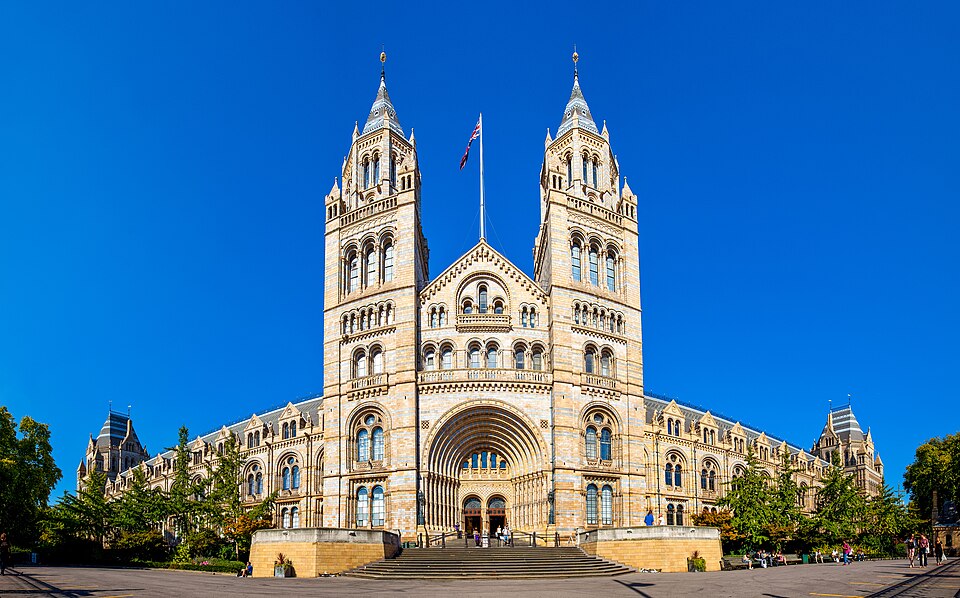
The qualification has received support from environmental and educational leaders. Dr Doug Gurr, Director of the Natural History Museum, said there was significant demand among young people to learn more about nature and environmental issues.
He highlighted the role of the Museum-led National Education Nature Park programme, which already engages thousands of schools, nurseries and colleges in biodiversity projects, and said the GCSE could help build the knowledge and confidence needed to create a more sustainable future.
The curriculum will also examine the effects of activities such as urbanisation, fishing and deforestation, while encouraging students to consider practical conservation measures, from creating wildlife-friendly gardens to changing land management practices.
Naturalist and broadcaster Steve Backshall welcomed the emphasis on outdoor learning, describing fieldwork as an effective way to foster both a connection with nature and valuable scientific skills.
“We’re asking this generation to confront some of the biggest challenges humanity has ever faced – biodiversity loss, climate change, species extinction,” he said. “This qualification gives them the knowledge and the tools to not just understand those challenges, but to be part of the solution.”
Nature Minister Mary Creagh said the GCSE would help reconnect young people with the natural world while addressing growing skills shortages in environmental industries.
Alongside environmental knowledge, students will develop practical competencies in data collection, statistical analysis and evidence recording—skills increasingly sought after in conservation, environmental science, land management and other green industries.
The announcement follows government plans to introduce new vocational V Levels, including an Agriculture, Environmental and Animal Care pathway from 2029 for students aged 16 to 19.
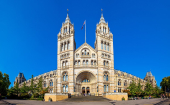
The Natural History GCSE is expected to be introduced alongside revised GCSE qualifications following the ongoing Curriculum and Assessment Review. Photo by Chiuchihmin, Wikimedia commons.