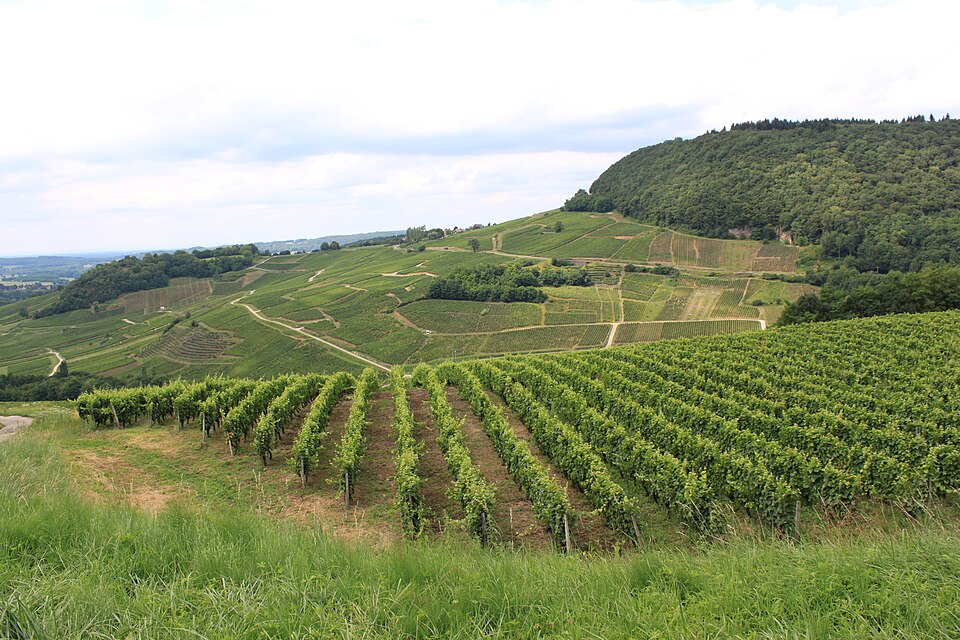
France is preparing for a significant transformation of its wine industry, with plans to remove approximately 28,000 hectares of vineyards under a state-supported initiative aimed at addressing
shifting market realities and environmental challenges.
The programme, overseen by FranceAgriMer, has attracted close to 6,000 applications from winegrowers seeking financial aid to uproot vines. The majority of requests originate from key wine-producing areas in southwestern France, including Gironde, Aude, and Hérault, with red grape varieties most affected.
According to Jérôme Despey, head of the agency’s wine committee, around 37% of the targeted land will be completely cleared, marking an exit from wine production for some growers. The remaining 63% will see partial vine removal, allowing producers to restructure vineyards and adapt their output to current demand trends.
Financial support and timeline
The government has allocated €130 million to support the initiative, offering €4,000 per hectare removed. Vineyard clearing must be completed by the end of 2026.
This latest intervention comes as the French wine sector grapples with multiple pressures: declining global demand—particularly for red wines—climate volatility, and changing consumer habits. A broader support package recently approved by the European Parliament also includes measures encouraging innovation, such as the production of low- and no-alcohol wines.
A sector under pressure
Industry voices describe the situation as both necessary and painful. Some growers view the uprooting scheme as a difficult but inevitable response to oversupply, while others warn it may not fully address deeper structural issues.
Falling consumption—especially among younger generations—combined with health-conscious lifestyles and several challenging harvests, has intensified the downturn. Outside premium segments like Champagne and top-tier Burgundy, many wines have seen sales drop sharply in recent years.
There are also concerns about what will replace the removed vineyards. Some younger farmers are exploring alternative crops such as olives or pistachios, while older producers may choose retirement over reinvention.
A broader shift in French wine
The move reflects a wider evolution in the wine industry across France. While the country remains one of the world’s leading wine producers, the focus is gradually shifting from volume to value.
Many producers are turning toward direct-to-consumer sales, wine tourism, and premium branding strategies. Independent winemakers, in particular, are strengthening relationships with buyers by emphasizing authenticity, traceability, and estate-based experiences.
Ultimately, the vineyard reduction plan highlights a sector in transition—one balancing tradition with the need to adapt to modern economic and cultural realities. Photo by Christophe.Finot, Wikimedia commons.