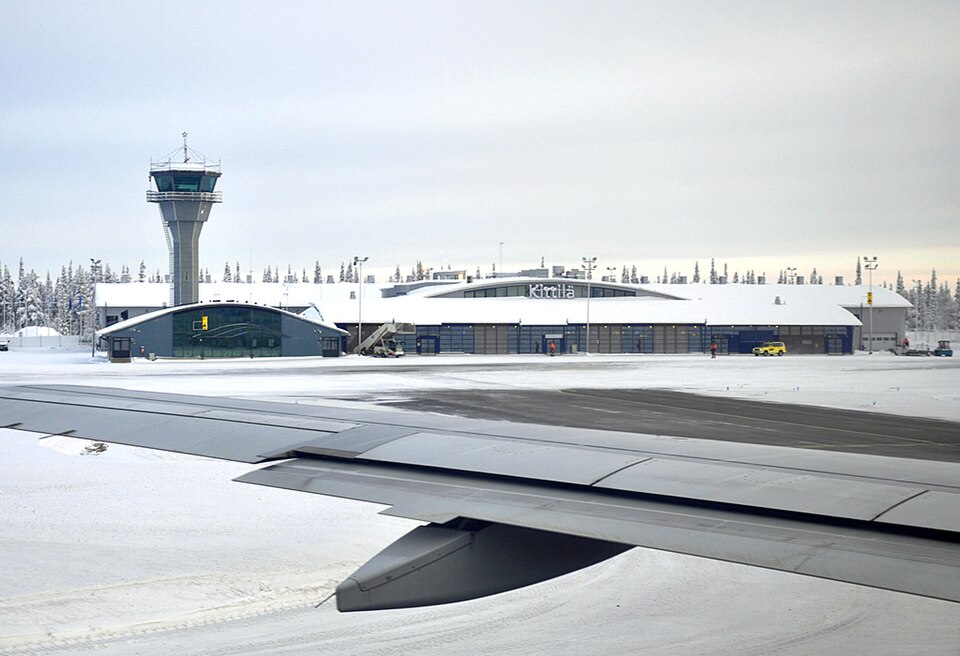
Thousands of holidaymakers have found themselves unexpectedly stranded in northern Finland after extreme Arctic cold forced the cancellation of flights at
Kittilä Airport.
Temperatures at the airport sank to a bone-chilling –37°C early on Sunday, following several days of similarly severe weather. The intense cold made it impossible to safely de-ice aircraft and carry out normal airport operations, grounding planes and disrupting travel plans for visitors from across Europe.
Among those affected are large numbers of British tourists, many of whom had been enjoying winter breaks in Finnish Lapland. There is cautious optimism that some may finally return home on Monday afternoon, with flights to Manchester and London scheduled to attempt departure. However, forecasts suggest temperatures will still hover around –28°C, meaning further delays remain a real possibility.
Kittilä, a key gateway to Lapland’s ski resorts and winter attractions, lies in a sparsely populated region of northern Finland. While the country is no stranger to harsh winters, even locals say this year’s cold snap is unusually severe, stretching across wide areas of northern, central and eastern Europe.
The deep freeze has caused widespread disruption beyond Finland’s borders. Heavy snowfall, strong winds and icy roads have made travel hazardous across the continent. In Germany, rail operator Deutsche Bahn suspended all long-distance services in the north of the country on Sunday after heavy snow brought the network to a standstill, leaving passengers facing lengthy delays and cancellations.
Authorities in North Rhine-Westphalia, Germany’s most populous state, announced that all schools would close on Monday, switching to online learning as a precaution against the icy conditions.
Elsewhere in the Baltic region, Estonia and Lithuania urged drivers to postpone all non-essential journeys due to forecast blizzards, while neighbouring Latvia issued a snow alert for its western regions.
As the cold wave tightens its grip on Europe, transport operators and emergency services remain on high alert, warning that further disruption is likely if temperatures fail to rise in the coming days. Photo by Andreas Fassler, Wikimedia commons.