London is set to pilot a new generation of speed enforcement technology as part of a wider push to improve road safety across the capital. Transport for London (TfL), in partnership with the
Metropolitan Police Service, has begun rolling out radar-based speed cameras at up to 10 locations, targeting areas identified as high risk for speeding-related incidents.
The move comes amid ongoing concerns about dangerous driving. Excessive speed continues to play a major role in road deaths, contributing to roughly half of all fatal collisions recorded in London in 2024. Authorities say tackling this issue remains a top priority as they work toward safer streets.
The trial will see the installation of advanced cameras in several boroughs, including Haringey, Tower Hamlets, Havering, Croydon, Hammersmith and Fulham, Brent, Hackney, Ealing and Sutton. All selected sites are located on roads with 20mph or 30mph limits, where the risk to pedestrians and other road users is particularly high.
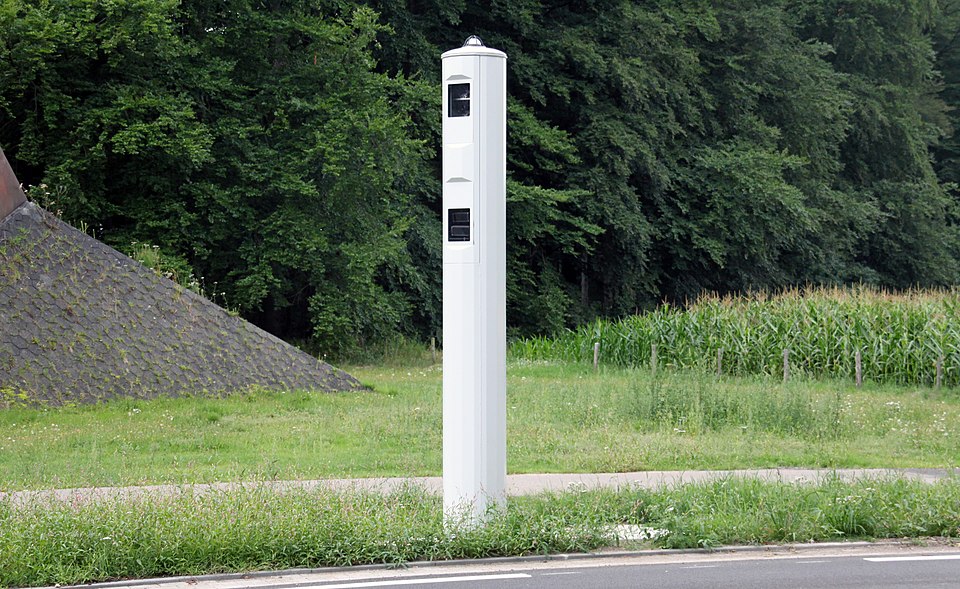
Unlike traditional speed cameras, which rely on sensors embedded in the road, the new system uses 4D radar technology combined with high-resolution 4K imaging. This allows for more accurate speed detection without the need for road markings, in-ground hardware or visible flashes. The improved design is expected to enhance reliability while reducing maintenance requirements.
The cameras can monitor up to five lanes of traffic in both directions simultaneously—significantly more than older systems, which typically cover just three lanes and require multiple sensors. Officials say the higher-quality images will also streamline enforcement, making it easier for police to identify offending drivers.
Before enforcement begins, all cameras will undergo calibration and be clearly signposted, in line with existing TfL and police policies.
The trial is part of a broader strategy outlined in TfL’s recently published Vision Zero Action Plan 2. The initiative aims to eliminate deaths and serious injuries on London’s roads over the coming years through a combination of stricter enforcement, infrastructure upgrades and safer speed limits.
Plans include expanding the capital’s safety camera network to at least 20 additional locations, prioritising areas with persistent speeding issues or strong community concern. TfL is also committed to introducing at least 65 kilometres of safer speed limits on its road network and supporting boroughs in rolling out more 20mph zones.
Officials hope that by combining new technology with targeted enforcement, the city can make meaningful progress in reducing road danger and protecting all who use its streets.
Siwan Hayward, TfL's Director of Security, Policing and Enforcement, said: "Speeding continues to be a major cause of the most devastating collisions on our roads. This trial allows us to test new radar‑based camera technology to ensure it meets London's future enforcement needs. Upgrading our camera network is vital to maintaining strong, consistent enforcement, and together with the Met we are using every tool available to deter speeding, reduce road danger and save lives."
Detective Chief Superintendent Donna Smith, of the Met's Roads and Transport Policing Command, said: "It is tragic whenever anyone is killed or seriously injured on our roads, and speeding remains a major factor, which is why our officers are totally committed to reducing that risk.
"Working alongside TfL, the Met will use every tool available, including new radar‑based camera technology, to deter dangerous driving and support Vision Zero's ambition of eliminating deaths on London's roads.
"This trial will improve reliability and deliver better quality images, helping our officers hold offenders to account and ensuring we have a modern and effective enforcement system that saves lives." Photo by User:Willem_90, Wikimedia commons.