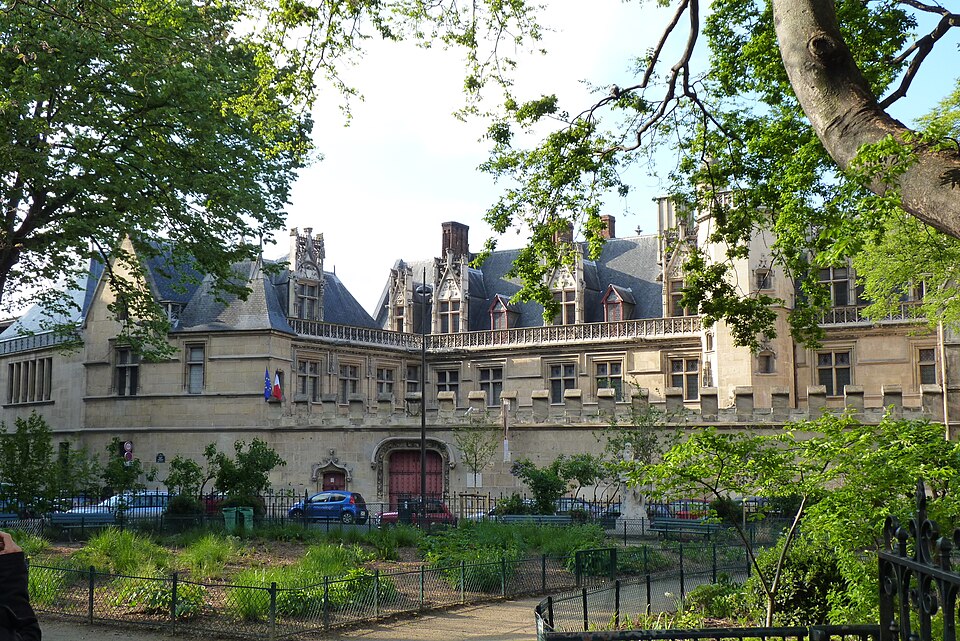
The Musée National du Moyen Âge, also known as the Musée de Cluny, is inviting visitors into a world where myth meets history with its captivating exhibition, “Unicorns!”. The show delves
into representations of the fabled creature across cultures and centuries, offering an enchanting glimpse into the enduring allure of the unicorn.
At the heart of the museum, visitors encounter the six famed tapestries of La Dame à la licorne (The Lady and the Unicorn), a masterpiece of late medieval art created around 1500. The exhibition expands beyond these iconic works, exploring the unicorn’s symbolism, from innocence and purity to power and mystique.
One intriguing detail for language enthusiasts: why does French use “licorne” while many other languages favor “unicorn”? According to Séverine Lepape, the museum’s director, the term evolved from Old French—“l’unicorne”—which gradually merged with the article to become “licorne”.
Although the exhibition is housed in the museum’s historic Roman baths—making some spaces feel a little compact—it is a rich and scholarly journey, accompanied by an extensive catalog that highlights research from around the world. Interestingly, the show was initiated by the Barberini Museum in Potsdam, Germany, rather than by Cluny itself. Paris had already experimented with unicorn-themed exhibitions in 2018, focusing on the medieval period and the 19th-20th century revival of medieval aesthetics, which drew enthusiastic public attention.
With its encyclopedic approach, the current exhibition promises to be an equally compelling exploration of the unicorn’s cultural, artistic, and symbolic legacy—a magical experience for both art lovers and mythology enthusiasts. Photo by ctj71081, Wikimedia commons.