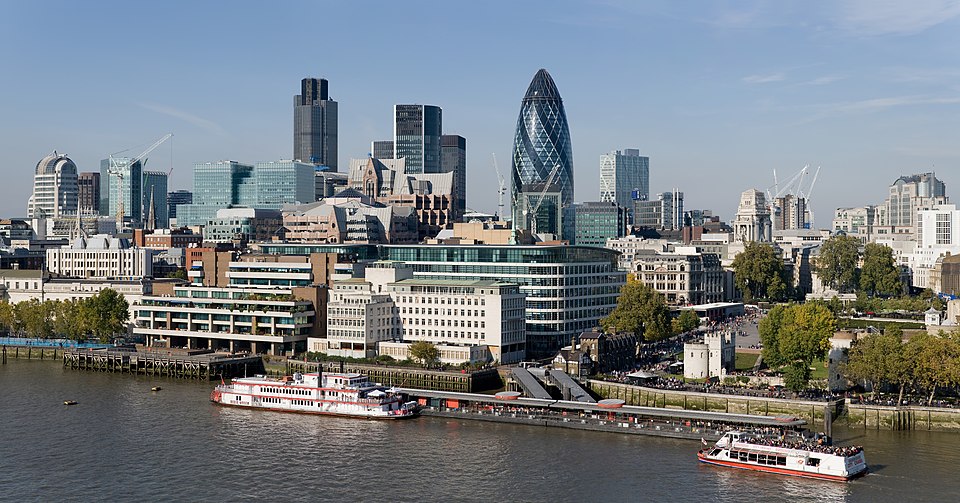
London has unveiled an ambitious long-term infrastructure strategy designed to support the city’s rapid growth, tackle mounting pressure on essential services and secure its position as a
global economic and technology hub.
The Mayor of London, working alongside London Councils and a coalition of local authorities, utilities and industry partners, has launched the new London Infrastructure Framework — a comprehensive roadmap to modernise and expand the capital’s critical systems.
A city under pressure
London’s population is rising, businesses are expanding and demand for new technologies — particularly in artificial intelligence — is accelerating. But the city’s infrastructure is struggling to keep pace.
Transport networks, energy supply, water systems, waste services and digital connectivity are all under increasing strain. Ageing infrastructure and limited capacity risk slowing economic growth and delaying much-needed housing development.
City leaders warn that without significant upgrades, demand for essentials like electricity and water could soon exceed supply.
Building for growth and resilience
The new framework sets out a vision for a more resilient and future-ready London. It calls for coordinated investment across sectors to ensure reliable transport, secure energy systems, improved flood defences and high-quality digital connectivity.
It also highlights the need to maintain and upgrade existing infrastructure — from railways and roads to river crossings and utility networks — many of which are nearing the end of their operational life.
The plan positions infrastructure investment not just as a necessity, but as a driver of economic growth, job creation and climate resilience.
51 priority projects identified
At the heart of the strategy is a pipeline of 51 priority projects across key sectors, each selected for its potential to unlock growth and strengthen the city’s foundations.
Among the flagship proposals:
- West London Orbital: A new London Overground route aimed at improving connectivity in west and northwest London, easing congestion and supporting new housing and employment opportunities.
- London Power Tunnels Phase 2: A major upgrade to the capital’s electricity network through new underground tunnels, boosting capacity and supporting the transition to low-carbon energy and transport.
- Digital Connectivity for Growth: Expansion of fibre broadband and mobile infrastructure to meet rising demand from businesses, public services and data centres.
- Thames Estuary 2100 Programme: A long-term flood protection initiative, including upgrades to barriers and embankments to safeguard London from rising sea levels.
Supporting London’s tech future
The framework also underscores London’s role as a leading centre for AI innovation. With major technology firms establishing headquarters in the capital, demand for electricity and data infrastructure is surging.
Expanding energy capacity and strengthening digital networks will be essential to sustaining this growth and ensuring London remains competitive on the global stage.
A call for collaboration
City Hall is urging closer collaboration between government, investors and industry to deliver the scale of infrastructure required. The framework is intended to guide long-term investment decisions and provide clarity for stakeholders involved in shaping London’s future.
Officials say the plan lays the groundwork for decades of sustainable growth — ensuring the capital remains resilient, competitive and capable of meeting the needs of its residents and businesses alike.
Mayor of London Sadiq Khan said: “It’s crucial that we increase levels of investment to ensure our city has the right infrastructure to meet the current and future needs of Londoners and businesses.”
“This framework, developed in conjunction with London Councils, builds on the progress already made and provides a springboard for the next phase of our long-term investment plans. I’m calling on partners - public and private - to join us in delivering the infrastructure our city needs to secure London’s resilience, competitiveness and growth for decades to come.
“Londoners are at the heart of this plan, ensuring that everyone benefits from the opportunities that modern, well-planned infrastructure creates, as we continue building a better and more prosperous London for everyone.”
Cllr Claire Holland, Chair of London Councils said: “London needs the right infrastructure in the right places if we are to drive growth and tackle some of the capital’s major challenges – from the housing crisis to climate change.
“Whether it is securing new transport connections to facilitate housebuilding, boosting electricity capacity or expanding digital access, London must work together to deliver these priorities.
“Our new London Infrastructure Framework is a major step forward for co-ordinating our approach and helping secure the investment we need to make these ambitions a reality. We are pleased to be leading this work with the Mayor and other key partners to ensure London is equipped to succeed in the years to come.”
London’s Transport Commissioner, Andy Lord, said: “Sustained investment in infrastructure is vital to ensure continued growth across the city, and this new framework sets out the bold, long-term plan for London’s infrastructure needs. With a growing population, we need to ensure that London remains resilient, through new infrastructure to unlock growth, as well as maintaining existing critical assets like our railways, roads and river crossings to keep them open and accessible to all. By working closely with partners across London and the wider UK, we can truly deliver the growth needed in our capital city.”
Zach Wilcox, Director of Place Economics at Mott MacDonald, who has led the technical development of the framework said: "London’s future relies on the infrastructure choices we make today. This Framework brings together a pan‑London view of the transport, energy, water, digital and waste systems that our communities and businesses depend on. By listening to stakeholders, reflecting London government's priorities and using evidence-led objective assessment, it gives London's leaders the framework to unlock new homes, strengthen resilience and create the conditions for inclusive, long term economic growth across every part of the city.
“Mott MacDonald has been proud to bring its technical rigour to this framework by helping to identify projects, assess key interdependencies between systems and work with stakeholders across the capital on a unified approach.” Photo by Diliff, Wikimedia commons.