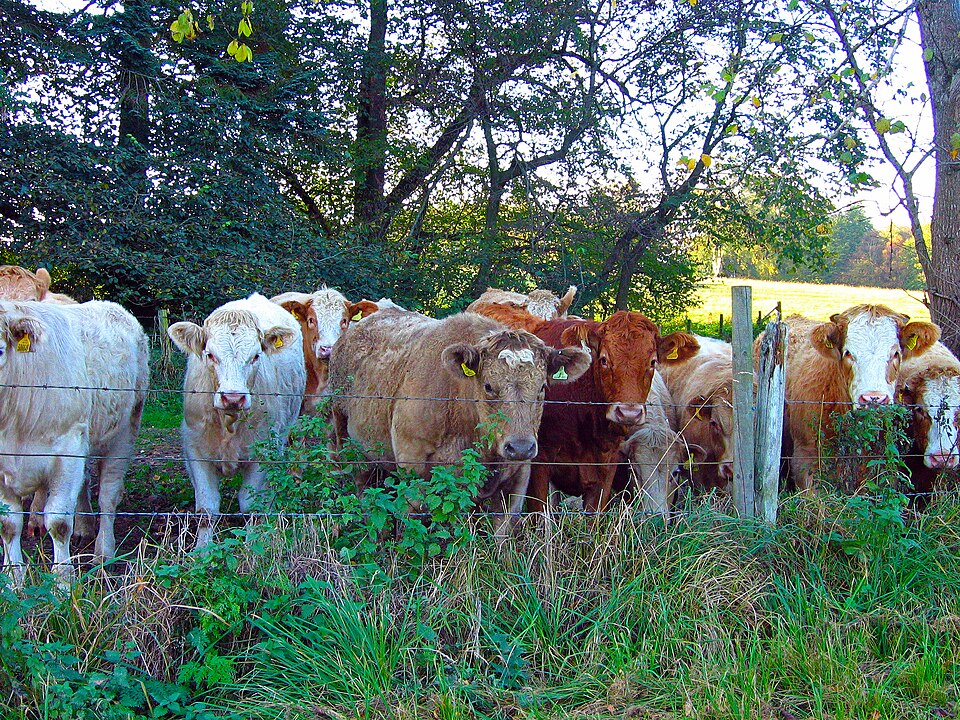
A tougher legal framework aimed at protecting farm animals from dog attacks has officially come into force across England and Wales today (18 March), marking a significant shift in how
livestock worrying is addressed.
The updated legislation introduces stricter penalties and enhanced enforcement powers, reflecting growing concern over the rising number of incidents affecting farmers and their animals. Livestock worrying—defined as dogs chasing, attacking, or causing distress to animals such as sheep and cattle—has long been a costly and distressing issue for rural communities.
Under the new rules, the maximum fine for offenders has been raised from £1,000 to an unlimited amount. Police have also been granted broader authority, including the ability to detain dogs suspected of being involved in attacks and to enter premises to gather evidence, such as animal DNA.
The scale of the problem is significant. According to a recent survey by the National Sheep Association, 87% of sheep farmers reported experiencing at least one dog attack in 2024, with many facing repeated incidents. Meanwhile, data from the National Farmers’ Union shows the financial toll has climbed by 10% over the past year, reaching nearly £2 million. The Midlands and Southeast regions have been particularly affected, with losses estimated at £438,000 and £330,000 respectively.
Beyond financial damage, the emotional impact on farmers is substantial. Livestock attacks can devastate herds in moments, disrupt businesses, and place considerable stress on farming families. On average, farmers may face costs of around £6,000 annually to replace lost animals.
The legislation also expands the scope of protection. It now covers incidents occurring on roads and public paths—acknowledging that livestock are often moved between fields—and broadens the definition of livestock to include animals such as llamas and alpacas.
Courts will now have the authority to require offenders to cover the costs associated with seizing and caring for detained dogs, further reinforcing accountability.
Farming Minister Dame Angela Eagle подчеркed the importance of the changes, stating that the new law provides stronger reassurance for farmers while underlining the government’s commitment to animal welfare.
Authorities are urging both farmers and dog owners to play their part. Farmers are advised to document and report incidents thoroughly, while dog owners are reminded to keep pets under control, especially in rural areas. Following the Countryside Code, observing local signage, and ensuring dogs cannot escape near livestock fields are all key measures to prevent incidents.
The legislation follows broader efforts to improve animal welfare standards, including the relaunch of the Responsible Dog Ownership taskforce, which aims to promote better practices and reduce attacks nationwide.
With stronger penalties and expanded enforcement powers now in place, officials hope the law will significantly reduce livestock attacks, protect rural livelihoods, and hold irresponsible dog owners to account. Photo by Alan Findlay, Wikimedia commons.