British holidaymakers are cancelling trips to Dubai and other Middle Eastern destinations amid escalating tensions in the region, with demand surging for European and Caribbean getaways,
according to travel industry reports.
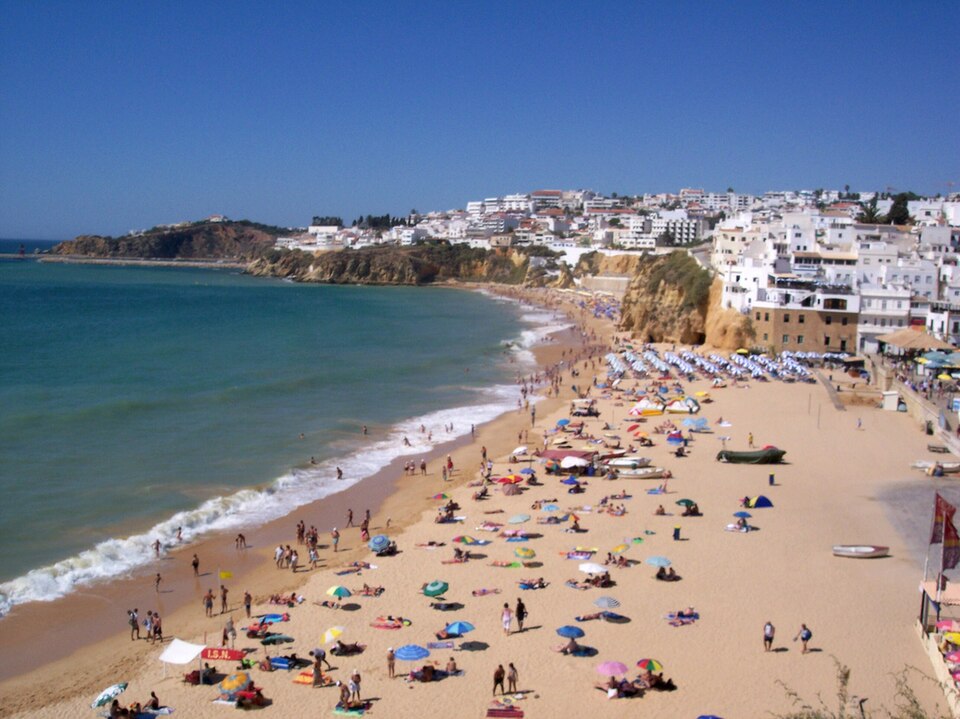
Since the outbreak of the US-Israeli conflict with Iran on February 28, bookings from the UK to destinations such as Turkey, Cyprus, and Egypt have slowed sharply. In contrast, popular alternatives including Portugal, Italy, Spain, Greece, and Caribbean islands like Jamaica and the Dominican Republic have seen a marked rise in interest.
Neil Swanson, managing director of Tui UK and Ireland, explained that travellers are seeking “reassuring alternatives to avoid travel through the Middle East,” favouring destinations that are “familiar and easy to reach.”
Thomas Cook reported that bookings to Portugal jumped 42% in the two weeks to March 13, while the Balearics increased by 40% and the Canary Islands by 16%. TravelSupermarket also noted a “clear surge” in online searches for Atlantic and European destinations away from conflict zones.
Even Greece has seen a spike in bookings despite its proximity to the conflict, highlighting a preference among Britons for locations perceived as safer and stable. Cape Verde has also emerged as a popular option, alongside longer-haul destinations such as the US, Mauritius, Thailand, and India.
Conversely, Jet2 Holidays CEO Steve Heapy said hotels in Turkey and Cyprus have experienced a significant drop in demand, with cancellations rising since the conflict began. Similarly, On The Beach paused its annual guidance last week, citing a “significant slowdown in demand” for destinations near the Middle East. Ryanair’s Michael O’Leary reported a “big collapse in bookings to the Middle East” alongside a surge in short-haul European flights.
The crisis has disrupted UK air travel to the region, with British Airways cancelling all flights to Dubai until at least June, and suspending operations to Amman, Bahrain, Tel Aviv, Doha, and Abu Dhabi for varying periods. Dubai International Airport also recently closed temporarily after a drone attack sparked a fire.
The conflict has hit the Middle East’s tourism industry hard, with the World Travel and Tourism Council estimating losses of $600 million (£448 million) per day. Rising jet fuel prices are also expected to push holiday airfares higher.
While the UK Foreign Office maintains that Greece and most of Turkey remain safe for travel, it warns that regional escalation poses security risks in nearby areas. Cyprus and key Egyptian tourist regions such as Cairo, Luxor, Aswan, and Sharm El Sheikh are also currently considered safe, though caution is advised near border regions.
Travel companies are offering heavily discounted packages to the Middle East in an effort to attract cautious tourists, but with no end to the conflict in sight, firms fear the drop in bookings could continue to hit profits for the foreseeable future. Photo by lele3100, Wikimedia commons.