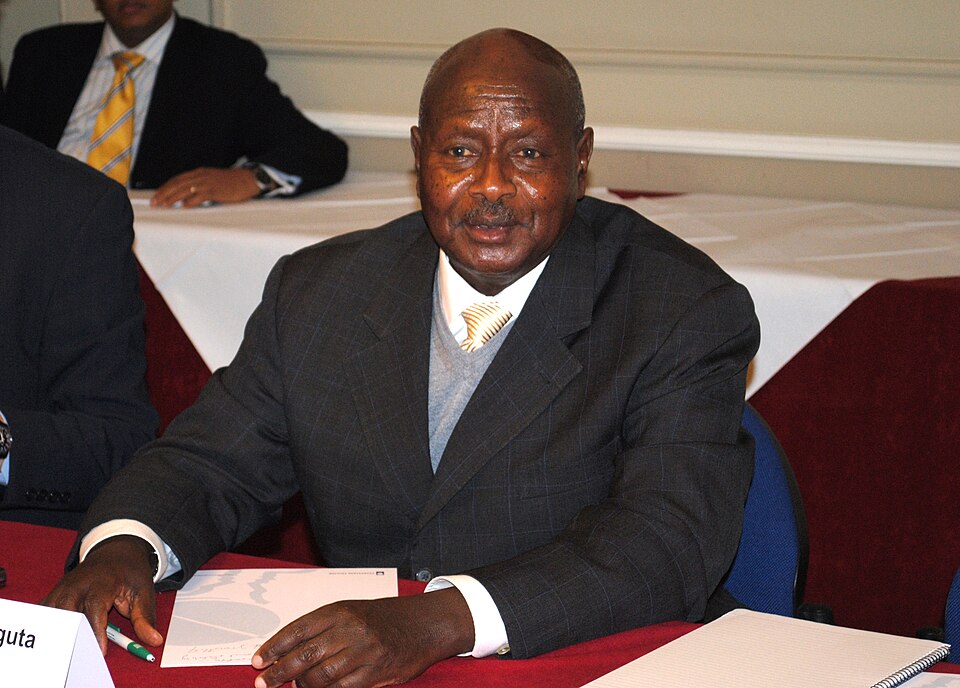
Uganda’s long-serving president, Yoweri Museveni, is poised to extend his grip on power yet again as voters head to the polls on Thursday, in an election overshadowed
by violence, regional instability and mounting speculation over who will eventually replace him.
Museveni, who seized power as a rebel leader in 1986, is now 81 and widely expected to win a seventh term that would stretch his rule beyond four decades. Facing seven challengers, he argues that another four years are necessary to “protect the gains” of peace and stability achieved under his leadership.
His strongest rival is Bobi Wine, the 43-year-old pop star turned politician whose real name is Robert Kyagulanyi. Wine captured 35% of the vote in the disputed 2021 election and has since become the rallying point for young Ugandans frustrated by unemployment, corruption and what they see as shrinking political space.
Analysts say Museveni’s dominance of state institutions leaves little chance of a surprise result. Over the years, he has amended the constitution to scrap both presidential term limits and age limits, entrenching his hold on power in the East African nation of around 46 million people.
Still, the vote is being closely watched at home and abroad. It comes four years after the United States condemned the previous election as neither free nor fair, and amid fears that unrest could erupt during or after polling.
Uganda’s regional importance adds to the stakes. The country plays a key military role in East Africa, with troops deployed in Somalia, South Sudan, the Democratic Republic of Congo and Equatorial Guinea as part of peacekeeping and security operations. Economically, Uganda is on the cusp of a potential boom, with growth expected to surge once crude oil production from fields operated by France’s TotalEnergies and China’s CNOOC begins later this year.
Succession question hangs over vote
Beyond the ballot itself, speculation over succession has become impossible to ignore. Museveni is widely believed to favour his son, army chief Muhoozi Kainerugaba, as his eventual successor — a claim the president denies.
Kainerugaba, an outspoken and sometimes controversial figure on social media, has openly expressed ambitions to lead the country and has drawn criticism for posts threatening opposition figures. However, his status as heir apparent is far from settled. Senior figures within the ruling National Resistance Movement are also manoeuvring for position, according to political analysts.
As in previous elections, the campaign has been marred by clashes between security forces and opposition supporters. Police and soldiers have repeatedly fired teargas and live ammunition at Bobi Wine’s rallies. At least one person has been killed and hundreds arrested.
The government insists the security response has been necessary to curb what it describes as lawless behaviour by opposition supporters. But fears of wider unrest have been heightened by deadly protests linked to recent elections in Tanzania and anti-government demonstrations in neighbouring Kenya.
Youth vote and protest politics
The election is being held alongside parliamentary polls, with a presidential run-off scheduled within a month if no candidate secures an outright majority.
Despite criticism of his human rights record, Museveni continues to enjoy backing from Western allies, largely due to Uganda’s role in regional security and its acceptance of millions of refugees. More recently, he has strengthened ties with U.S. President Donald Trump by agreeing to accept deportees who are third-country nationals.
As Uganda votes, the outcome may be predictable — but the political undercurrents shaping the country’s future are anything but. Photo by Chatham House, Wikimedia commons.