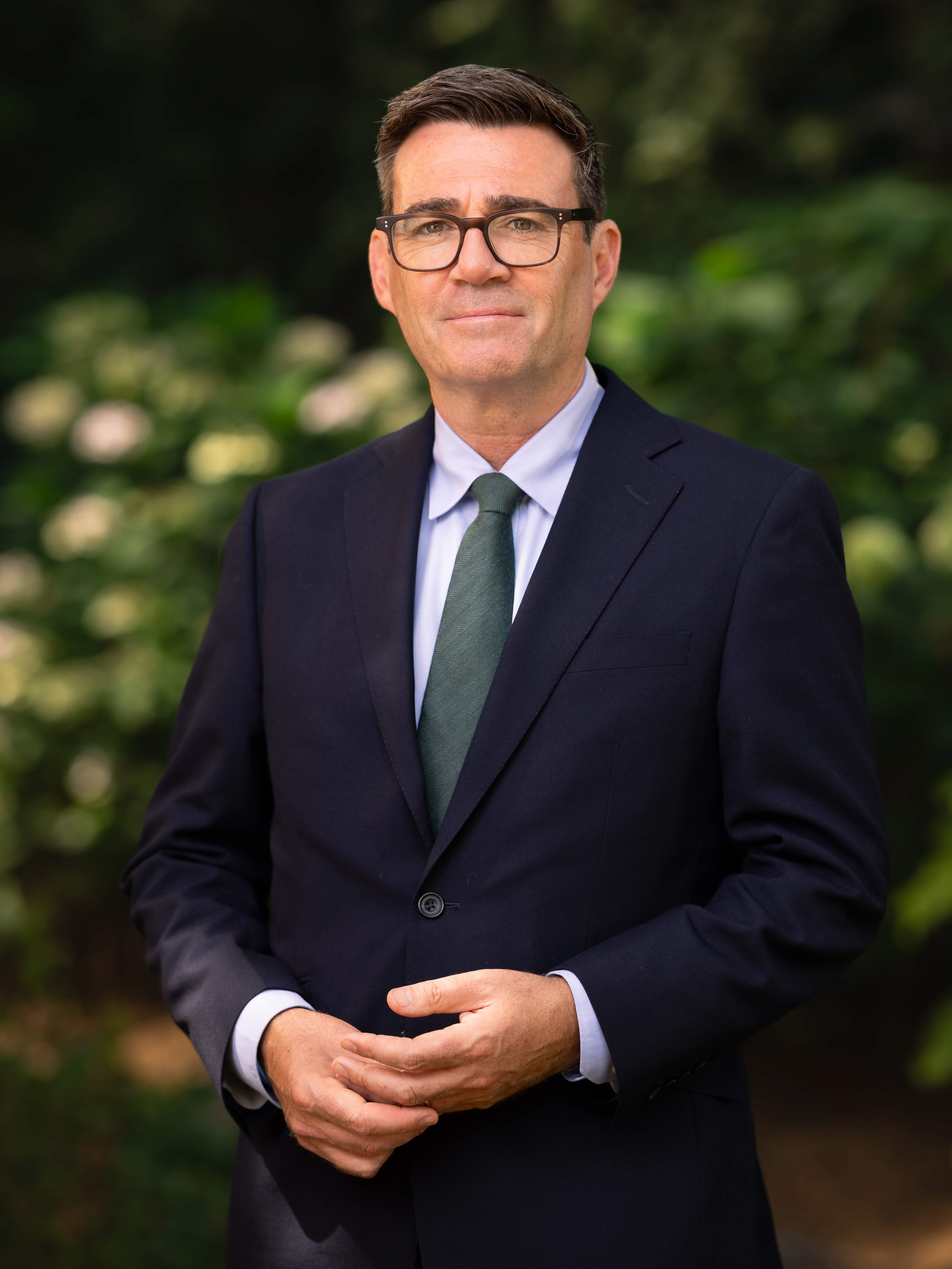
British Prime Minister Andy Burnham has expressed willingness to consider a formal apology for the United Kingdom’s historic involvement in the transatlantic slave trade, while firmly
rejecting demands for financial compensation. His remarks come ahead of next week’s Commonwealth summit in Antigua and Barbuda, where the issue of reparatory justice is expected to feature prominently.
In an article published in The Guardian, Burnham said the British government was prepared to establish a structured dialogue with communities and countries affected by the transatlantic slave trade, during which at least 12.5 million Africans were forcibly taken from their homes and sold into slavery.
The prime minister said that listening to demands for an official apology on behalf of the British state would be an important element of the proposed discussions.
“I am open to them,” Burnham wrote, referring to calls for a formal apology.
However, he drew a clear distinction between acknowledging historical wrongdoing and accepting financial responsibility for it. Burnham argued that people living in Britain today should not be held financially liable for atrocities committed centuries ago.
“I do not think that British people today can be held liable for historical wrongs, however heinous, that happened in a different age under different laws and in which they played no personal part,” he stated.
The transatlantic slave trade, which operated from the 15th to the 19th centuries, saw millions of Africans forcibly transported to the Americas by European traders. According to the Transatlantic Slave Trade Database, Britain was responsible for transporting approximately 3.2 million enslaved Africans across the Atlantic.
The debate over Britain’s historical responsibility has intensified as Caribbean nations and other members of the Commonwealth increasingly demand recognition of the lasting consequences of slavery.
Ahead of the summit, King Charles, who is currently visiting the Caribbean, acknowledged the suffering caused by slavery and the injustices associated with the colonial past.
The monarch said it was “only right that we should acknowledge the great suffering and injustices of the past”.
Caribbean governments are expected to use the Commonwealth Heads of Government Meeting to renew their calls for reparations. Their proposals extend beyond direct financial payments and include debt cancellation, increased development funding, investment in education and healthcare, and assistance with climate resilience.
Burnham also signalled a willingness to explore measures aimed at addressing the economic challenges facing vulnerable countries. In his Guardian article, he outlined plans for a new initiative on debt, suggesting that developing nations should be given more time to repay their obligations and access more favourable borrowing conditions.
The proposals received a positive response from Antigua and Barbuda Prime Minister Gaston Browne, who welcomed Burnham’s comments and his willingness to consider practical assistance.
However, Browne stressed that the Caribbean’s broader position on reparatory justice remained unchanged, indicating that the region would continue to pursue its longstanding demands for redress.
The Commonwealth summit is therefore expected to test whether Burnham’s proposed dialogue and debt initiatives can provide a basis for progress, despite the British government’s refusal to support financial reparations for slavery. Photo by Alecsandra Dragoi / No 10 Downing Street, Wikimedia commons.