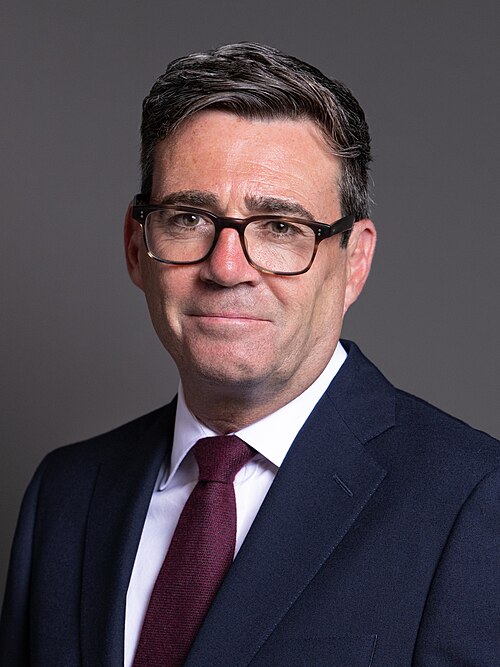
British Prime Minister Andy Burnham is preparing to tell Parliament that the UK should pursue a closer relationship with the European Union, arguing that a revised agreement with the bloc
could strengthen economic growth and help the government tackle immigration.
In a statement to lawmakers on Monday, marking Parliament’s return from its recess, Burnham will set out his government’s approach to relations with the EU. The prime minister, who campaigned against Brexit during the 2016 referendum, believes Britain needs to reassess the consequences of leaving the bloc and consider whether a different arrangement would better serve the country’s long-term interests.
His position marks a departure from that of his predecessor, Keir Starmer, who avoided reopening the politically divisive question of Britain’s future relationship with Europe. Burnham, by contrast, is arguing that the UK should take a fresh look at the available options rather than accept the existing post-Brexit framework as permanent.
A source in Downing Street said the prime minister recognised why some politicians remained reluctant to revisit Brexit, given the controversy surrounding the issue. However, the source argued that the country needed an honest discussion about whether leaving the EU had delivered the benefits originally promised.
The government believes that maintaining the current arrangements without making sustained efforts to secure a more advantageous agreement would be a failure to address Britain’s economic challenges.
Burnham is also expected to urge politicians across party lines to support a more open debate, warning that dismissing the possibility of a new agreement with Brussels would be irresponsible.
The prime minister began setting out his position at Labour’s annual conference last month, where he called for Britain to examine the full range of possible relationships with the EU. His remarks included the possibility of rejoining the bloc, an option that has attracted a cautious response from some European leaders.
Public attitudes towards EU membership have shifted since the 2016 referendum, with opinion polls in recent years indicating that a majority of Britons favour returning to the bloc. However, support becomes less consistent when voters are asked to consider the practical implications, including contributions to the EU budget and the potential requirement to adopt the euro.
Burnham’s proposed approach could therefore reopen one of the most consequential political debates in modern British history. While his government is not necessarily committing to reversing Brexit, its willingness to reconsider closer integration with Europe signals a potentially significant change in the UK’s post-Brexit strategy. Photo by © House of Commons, Wikimedia commons.