Women in the UK continue to receive substantially smaller workplace bonuses than men, with new payroll data indicating that the disparity remains particularly pronounced among older
employees and in sectors where higher-value incentive schemes are common.
An analysis by human resources data provider Brightmine, based on payroll information covering almost 1.46 million employees at 1,190 organisations, found that men received an average annual bonus of £5,442 in July 2026. The corresponding figure for women was £3,062 — around £2,380 less. The difference narrowed only marginally compared with the previous year.
The figures also point to a difference in how frequently employees receive bonuses. About 14% of male employees in the dataset received a bonus, compared with 9% of female employees. Overall, 13% of employees received a bonus, a proportion that remained unchanged from a year earlier.
Gap becomes wider with age
The disparity was particularly noticeable among older workers. At age 56, for example, the average bonus for men reached £8,817, while women received an average of £3,769.
Brightmine HR insights and data lead Sheila Attwood said the pattern could reflect differences in career progression, seniority and access to incentive programmes with larger potential payouts. The data does not, by itself, establish the reasons for the differences between male and female bonus payments.
The largest disparities were reported in areas including financial services and professional and business services, where bonuses can represent a significant component of total remuneration.
Bonus payments add another dimension to pay inequality
The Brightmine findings come against the backdrop of a broader gender pay gap in Britain. The Office for National Statistics reported that the gender pay gap among full-time employees stood at 6.9% in April 2025, down from 7.1% a year earlier. The measure is based on median hourly earnings excluding overtime.
The ONS also found that the gap varied considerably by age. Among full-time employees aged 40 to 49, it was 9.1% in April 2025, compared with 3.9% for those aged 30 to 39. The gap was higher still among employees aged 50 and above.
Importantly, the ONS measure is not a direct comparison of men and women performing identical jobs. It captures differences in median earnings across the workforce and can reflect factors including occupation, working patterns and the distribution of men and women across different roles and levels of seniority.
The latest bonus figures therefore add a separate dimension to the UK's gender-pay picture, showing that differences in variable compensation can be substantial even as the overall hourly pay gap has gradually narrowed.
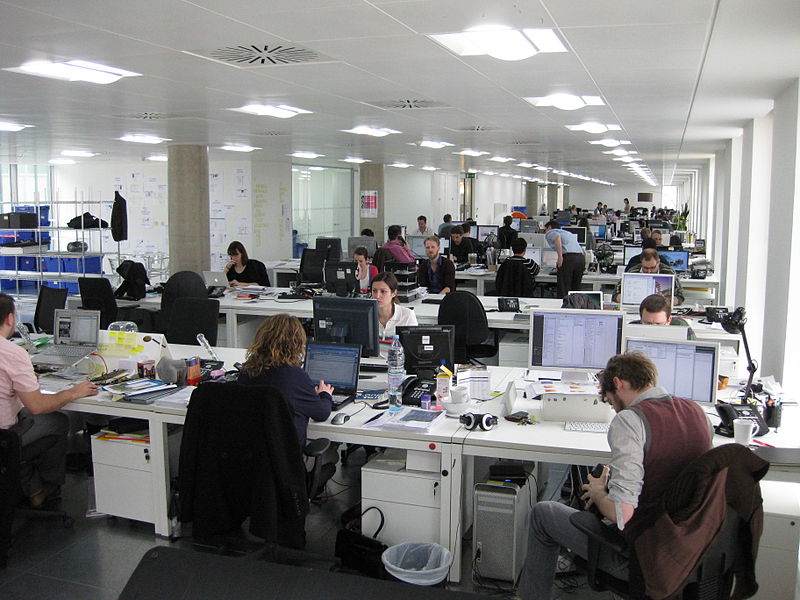
For employers, the findings highlight the importance of examining not only basic salaries but also who receives bonuses, how frequently they are awarded and the size of payments across different groups of employees. Photo by Phil Whitehouse, Wikimedia commons.