London’s famous Barbican Conservatory has temporarily taken on a new role: an adoption centre for plant lovers eager to preserve a living piece of the city’s unique urban landscape.
Hundreds of carefully selected “plant parents” gathered on Sunday to take home cuttings propagated from some of the rare and distinctive plants growing inside the celebrated conservatory, which is due to close later this year for a major renovation.
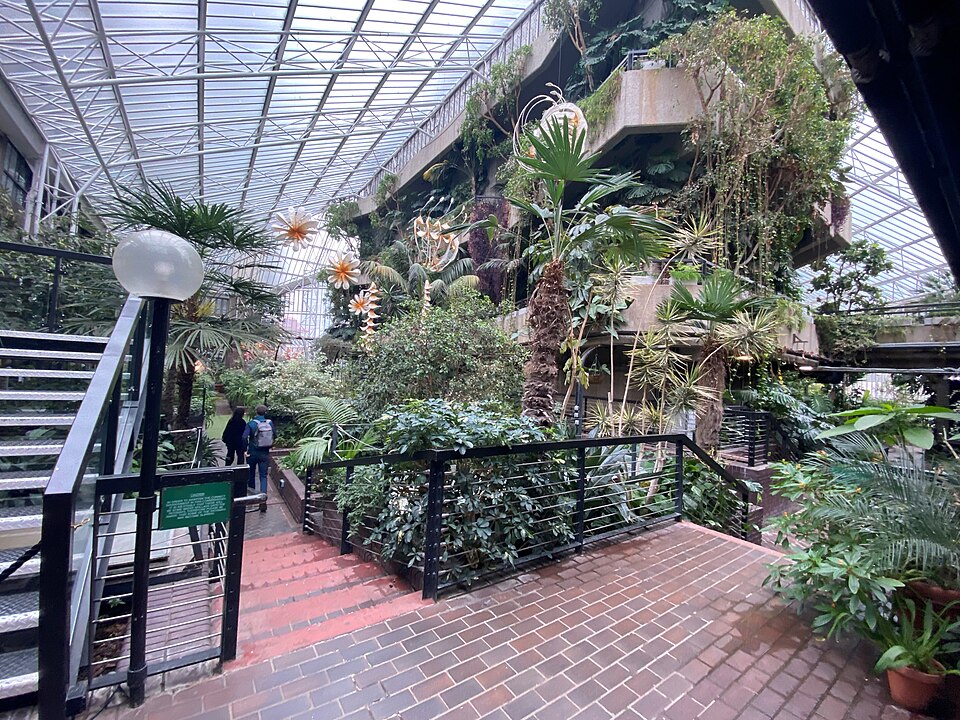
Hidden high above London’s streets within the Barbican’s striking Brutalist architecture, the conservatory is one of the capital’s most unusual green spaces. It contains around 800 plant species, including a number considered among the most threatened in the world. The late Queen Elizabeth II once described the wider Barbican complex as “one of the modern wonders of the world.”
With the conservatory facing several years of refurbishment, organisers wanted to give visitors a way of maintaining a connection with the collection while the building is transformed.
The initiative offered 500 cuttings to successful applicants. But adopting a plant was not simply a matter of joining a queue and picking one up.
Prospective owners were asked to explain where their new plant would live, with some even drawing pictures of the proposed home. They were also encouraged to give their cutting a name and identify the original plant from which it had been propagated.
Each successful “parent” received a care card setting out the plant’s specific requirements, including guidance on watering, humidity and light.
Among the cuttings available were familiar favourites such as Swiss cheese plants, spider plants and arrowhead vines, as well as more unusual varieties including purple heart, a colourful species native to Mexico.
Heather Ring, co-founder of Wayward Plants, which helped organise the project, said the response demonstrated the strong emotional connection people can develop with plants.
“These plants are so charismatic, and these acts of care are really special,” she said.
For some recipients, the initiative carried an added significance because they already live within the Barbican estate.
Lydia Goldberg, a Barbican resident, adopted a Swedish ivy cutting and named it “Nico”. She said she was looking forward to seeing the conservatory restored after its renovation.
“The renovations will take a few years, but it’s going to look so gorgeous once it’s done,” Goldberg said.
The project means that while the Barbican Conservatory itself prepares to disappear temporarily behind the barriers of a major redevelopment, fragments of its extraordinary indoor jungle will continue to grow in homes across London.
For the new generation of “plant parents”, the cuttings are more than houseplants: they are living reminders of one of the capital’s most distinctive architectural and horticultural landmarks. Photo by Charld99, Wikimedia commons.