The UK government is stepping up its response to a major plastic pollution incident on the River Tyne, as Marine Minister Stephen Morgan visited the Port of Tyne on Monday to assess the
clean-up operation and meet those working to remove thousands of plastic pellets from the North East coastline.
Morgan toured the port and Littlehaven Beach, where volunteers, local authorities and specialist agencies are continuing efforts to recover the small plastic pellets, known as nurdles, following a collision between two vessels on 19 July.
The incident resulted in the release of an estimated 17 tonnes of nurdles into the marine environment, prompting a large-scale response involving the Port of Tyne, local councils, the Environment Agency, maritime authorities and community volunteers.
The minister was joined by Environment Agency Chair Alan Lovell during the visit, which was intended to provide a first-hand assessment of the operation and identify where additional government resources could accelerate the recovery.
At Littlehaven Beach, Morgan met community groups and volunteers who have been helping clear affected areas, thanking them for the sustained effort required to remove the pellets from beaches and coastal habitats.
“People in the North East rightly expect a strong, coordinated response to this incident,” Morgan said, stressing that government agencies were working with local partners to tackle the pollution and limit its environmental consequences.
He said meeting those directly involved in the recovery was essential to understanding the practical difficulties on the ground and ensuring that the clean-up was carried out “as quickly and effectively as possible”.
The Environment Agency is deploying additional resources, including boats, drone surveys and specialist response teams, to map pollution, monitor affected areas and support more targeted recovery operations.
Community officers are also being prepared for rapid deployment to affected communities, providing information and advice as the operation continues.
The latest visit follows a government-led meeting on 7 August involving Morgan, Ports Minister Keir Mather, elected mayors and organisations involved in the response. The discussions focused on progress so far and whether further government assistance was required.
The scale of the operation reflects the particular difficulty posed by nurdles. The tiny plastic pellets are widely used as raw material in the manufacture of plastic products and can be difficult to detect and collect once dispersed across beaches, mudflats and coastal waters.
Defra is working with scientists from the Centre for Environment, Fisheries and Aquaculture Science (Cefas) to strengthen environmental monitoring and assess the potential consequences of the spill. The scientific work is expected to help establish the extent of the pollution and guide longer-term recovery measures.
The government is also examining how the transportation of plastic pellets can be made safer, with the aim of reducing the likelihood of similar incidents in the future.
The Port of Tyne response comes amid growing concern across Europe and the UK about the environmental risks posed by plastic pellets entering rivers and seas. Once released, the lightweight material can travel considerable distances through marine currents and may be ingested by wildlife.
For communities along the Tyne and surrounding coastline, however, the immediate priority remains removing the material already released and preventing further spread.
Morgan said the government and Environment Agency would continue supporting local partners, including the Port of Tyne, with additional vessels, monitoring capacity, specialist expertise and resources from elsewhere in the country.
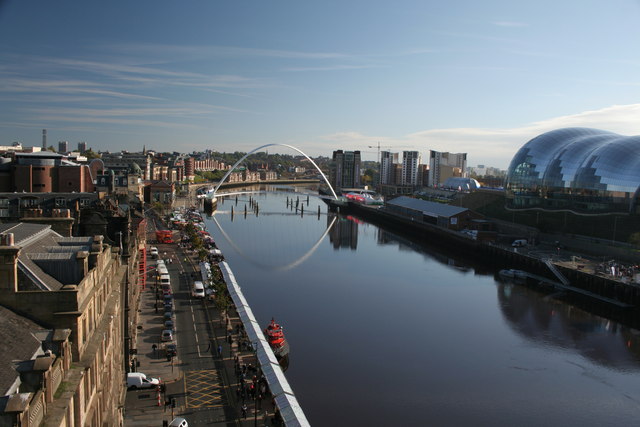
The operation is expected to continue as agencies assess affected areas and work alongside local volunteers to restore beaches and monitor the wider environmental impact. Photo by Peter McDermott, Wikimedia commons.