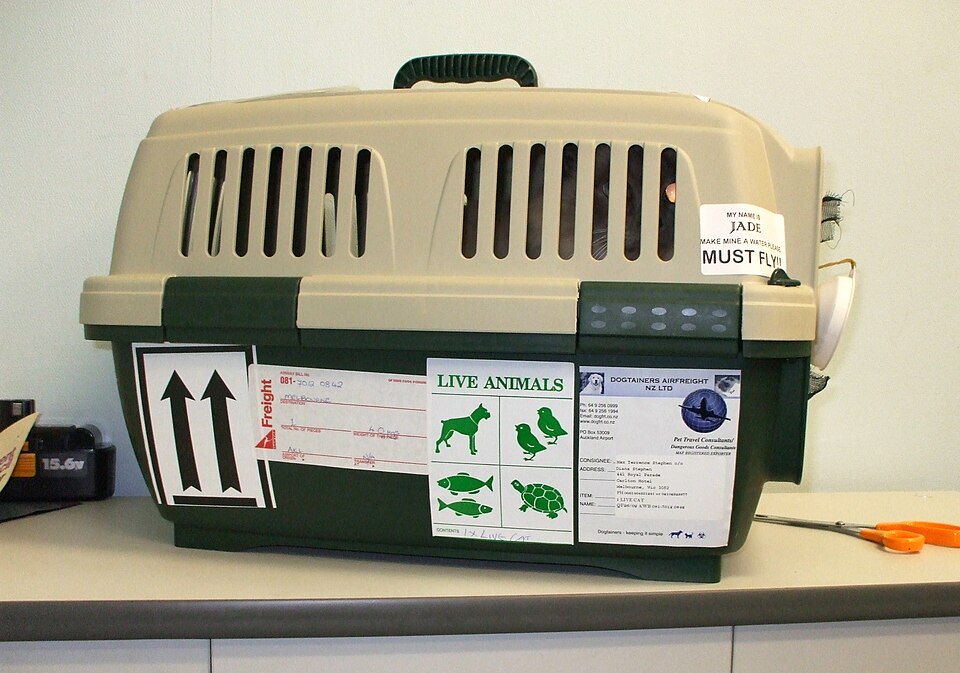
New European Union regulations came into force on 22 April, changing how residents of Great Britain can travel with their pets to EU countries. While trips with animals are still permitted,
officials are urging pet owners to carefully review the updated requirements before setting off.
The changes apply to non-commercial travel involving dogs, cats and ferrets entering the EU from Great Britain. Importantly, the rules for bringing pets back into Great Britain remain largely unchanged.
One of the most significant updates concerns EU pet passports. These documents can no longer be used by GB residents when travelling into the EU. Going forward, EU pet passports will only be issued to individuals whose primary residence is within the EU. This means that even previously issued passports held by UK residents may no longer be valid for entry.
Instead, pet owners in England, Scotland and Wales are now advised to obtain an Animal Health Certificate (AHC) before travelling. This document is required for each trip to the EU and is designed to ensure pets meet health and vaccination standards.
There is some flexibility once inside the EU. Although the AHC is still a single-use document for entry, it can now be used for onward travel within EU countries and for returning to Great Britain for up to six months, provided the pet’s rabies vaccinations remain valid.
Additional rules apply when pets travel without their owners. In such cases, the animal must travel within five days of the owner, and the accompanying person must carry written authorisation along with the pet’s documentation.
The EU has also introduced a revised limit on the number of animals that can travel. Non-commercial journeys are now capped at five pets per private vehicle, rather than five per person. The existing five-pet limit remains unchanged for those travelling on foot. Exceptions may apply for animals attending competitions, training or events, subject to specific conditions.
Authorities stress that individual EU countries may impose their own entry requirements, making it essential for travellers to check the rules of their destination in advance.
Despite the changes, officials emphasise that travelling with pets is still very much possible. However, preparation is key to avoiding disruption at borders and ensuring a smooth journey. Photo by Chachacha369, Wikimedia commons.