Today, many European currencies are under pressure due to events in global politics. Exchange rates continue to be affected by the war in Ukraine, as well as the ongoing conflict between the
United States and Iran, which also began after the conclusion of another Winter Olympic Games.
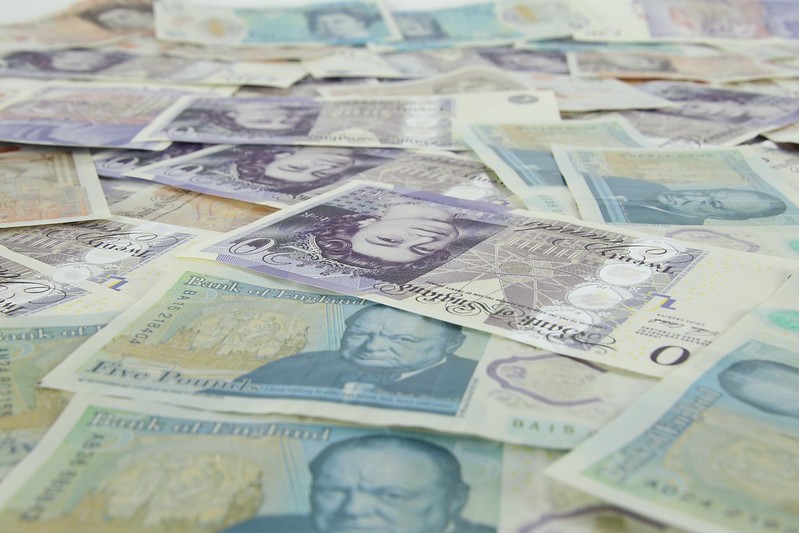
The pound recovered modestly on Monday after earlier sliding to its weakest level since early April, as investors weighed mounting political instability in Britain against growing concerns over inflation driven by surging energy prices.
Sterling rose 0.4% to $1.337 after briefly falling to $1.3304, its lowest point since April 8.
Markets remain unsettled by the deepening political crisis surrounding Prime Minister Keir Starmer following Labour’s heavy losses in local elections earlier this month. The setback has intensified pressure on Starmer to step down, with nearly a quarter of Labour lawmakers reportedly calling for his resignation and senior party figures positioning themselves as potential successors.
The political uncertainty has rattled investors, sending UK government bond yields sharply higher over the past week and adding pressure on the currency.
Speaking during a visit to Labour Party headquarters, Starmer said he remained committed to his role.
“I am focused on the job that I was asked to do, which is to serve my country and to carry out my duties as prime minister of this country,” he said.
Investors fear that a possible shift toward a more left-leaning leadership could lead to increased public spending and heavier borrowing at a time when Britain’s finances are already under strain.
Although rising gilt yields would normally attract foreign investment seeking higher returns, analysts said concerns over weak economic growth and a renewed inflation shock have undermined support for the pound.
Britain’s dependence on imported energy has heightened worries that escalating energy prices could further fuel inflation, complicating the outlook for the economy and monetary policy.
Currency strategists at MUFG said the UK’s political uncertainty was hitting markets at a particularly vulnerable moment.
“The unfavourable domestic political developments come at a challenging time for the gilt market, which is also facing the risk of much higher inflation from the energy price shock,” the bank said in a note.
MUFG added that it currently favours selling sterling against the Swiss franc, citing the pound’s near-term risks.
Money markets are now pricing in at least two Bank of England interest rate increases this year. Before the outbreak of the Iran conflict in late February, traders had expected roughly two rate cuts instead.
The sharp reversal in expectations underscores how geopolitical tensions and domestic political instability are reshaping the outlook for the UK economy and financial markets.