UK unemployment is on course to climb to its highest level in more than a decade, driven by rising labour costs and structural shifts in the jobs market, according to new forecasts from the
National Institute of Economic and Social Research (NIESR).
The influential think tank said Britain’s unemployment rate is expected to average 5.4% in 2026, up from 4.8% in 2025, marking the highest level since 2015 and exceeding the projections of many other forecasters.
A key factor behind the rise is the growing cost of employing workers. Successive governments have pushed the minimum wage to around two-thirds of median earnings, while employers were also hit last year by higher social security contributions. Together, these changes lifted the cost of hiring an entry-level worker by 10.6%, NIESR said.
“Part of this unemployment story in the UK is rising labour costs,” said Ben Caswell, an economist at NIESR. He added that sectors with a high concentration of minimum-wage workers have seen sharper increases in unemployment than other parts of the economy.
The think tank also pointed to emerging pressures in the technology sector. Analysis of official data shows unemployment rising in IT roles, which NIESR suggested could reflect the growing use of artificial intelligence and a reduced demand for entry-level positions.
Further pressure is expected in April, when the UK’s minimum wage is set to rise by another 4%, keeping it among the highest in the world relative to average earnings. Prime Minister Keir Starmer’s government has also said it intends to continue phasing out the lower minimum wage rate currently paid to workers aged 18 to 20.
However, NIESR stressed that the increase in unemployment is not solely due to a lack of job vacancies. More people who were previously classed as economically inactive — neither working nor seeking employment — have begun actively looking for jobs. Inactivity rates surged after the pandemic, but are now easing as people re-enter the labour market.
Looking further ahead, NIESR said unemployment should gradually fall again, provided the UK avoids a recession. The jobless rate is forecast to return to around 5% by 2028 or 2029, which the institute considers close to the economy’s long-term sustainable level outside of a boom.
Britain’s unemployment rate was as low as 3.8% in both 2019 and 2022 — near a 50-year low — although the official survey used to calculate the figure is currently being overhauled following concerns about data quality.
On the broader economic outlook, NIESR slightly upgraded its growth forecasts, predicting GDP growth of 1.4% in 2026 and 1.3% in 2027, up from earlier estimates of 1.2%. It also expects the Bank of England to cut interest rates twice this year, bringing the benchmark rate down to 3.25% from its current 3.75%.
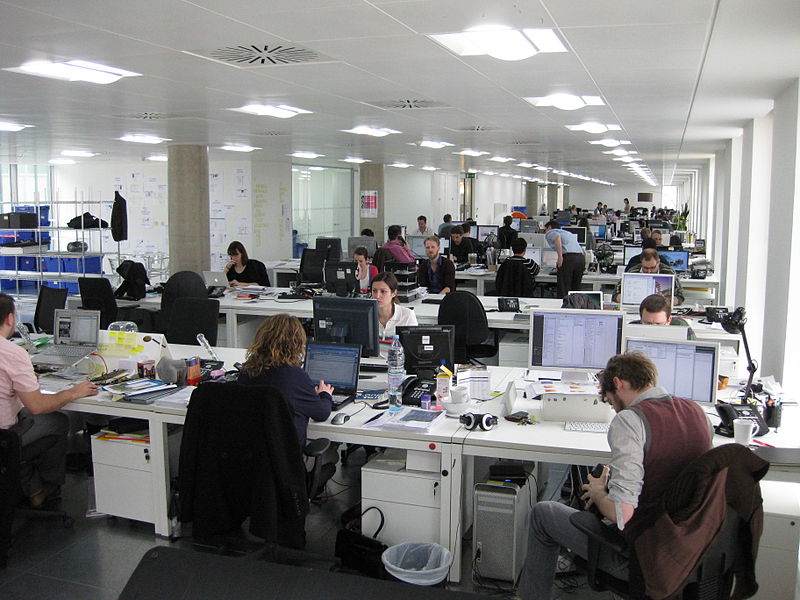
The Bank of England is due to publish its latest economic forecasts alongside its February monetary policy decision. Most economists surveyed do not expect a rate cut before March at the earliest. Photo by Phil Whitehouse, Wikimedia commons.