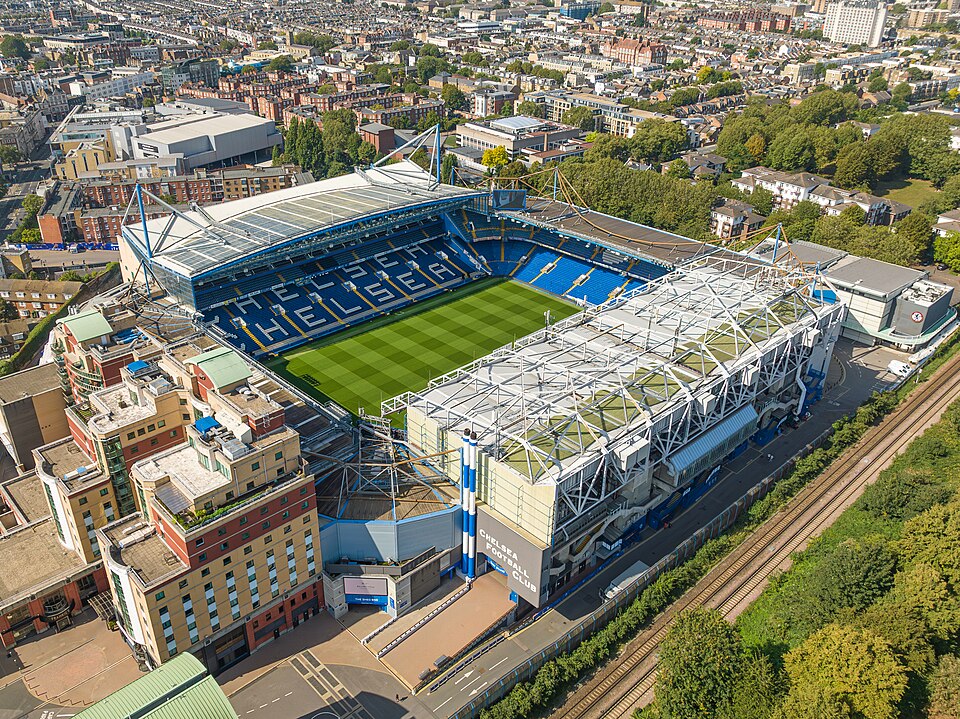
Chelsea Football Club marked Holocaust Memorial Day with a powerful exhibition at Stamford Bridge, bringing together supporters and staff to reflect on the role sport
has played in challenging racism and antisemitism.
The exhibition, ‘Sport Against Racism: How Sport Has Contributed to the Fight Against Racism’, explored stories of courage, achievement and resilience in sport before, during and after the Holocaust. Through a series of displays, it highlighted how athletes and clubs have stood up to discrimination, even in the darkest periods of history. A dedicated section also focused on Chelsea FC’s ongoing work to combat racism and antisemitism.
Hosted in the Tea Bar at Stamford Bridge, the exhibition was made available to the club through its Jewish Supporters’ Group. The event marked the group’s second annual Holocaust Memorial Day commemoration at the stadium.
Stephen Nelken, co-chair of the Chelsea Jewish Supporters’ Group, said the exhibition was unveiled for the first time as part of this year’s remembrance. Created by the Jewish Ethics Project in collaboration with the Yad Vashem UK Foundation, it attracted members of the supporters’ group as well as staff from Chelsea FC, the Chelsea Foundation and the Chelsea Supporters’ Trust.
Among the stories featured were those of legendary American sprinter Jesse Owens at the 1936 Berlin Olympics, Aston Villa’s historic tour of Germany two years later, and Jewish athletes who faced persecution under Nazi rule. The exhibition also celebrated post-Holocaust renewal in sport, including the influence of Hungarian football coach Béla Guttmann on Benfica’s rise and the achievements of Olympic swimming champion Mark Spitz.
Michael Cornall, Chelsea FC’s head of supporter relations, described the event as a moving experience. He said it was humbling to host the exhibition and to reflect on the positive impact sport can have in confronting racism and antisemitism, both historically and today.
He added that the club is proud of the role its supporter groups play within the local community and across the fan base in addressing discrimination and promoting inclusion.
The exhibition concluded with a clear message: sport is more than competition. When used as a platform for education and remembrance, it can be a powerful force for good, helping to challenge hatred, honour the past and inspire a more inclusive future. Photo by Arne Müseler, Wikimedia commons.