
The first six days of the U.S. military campaign against Iran cost American taxpayers more than $11.3 billion, according to estimates presented by officials from the administration of
Donald Trump during a classified briefing to senators this week.
The figure, shared during a closed-door meeting on Capitol Hill on Tuesday, represents only a partial estimate of the war’s expenses and does not include the full financial impact of the conflict, according to a source familiar with the briefing. Lawmakers have been pressing the White House for clearer information on both the cost and scope of the military operation.
The estimate was first reported by The New York Times.
Congress braces for massive funding request
Several congressional aides say the administration is expected to soon ask Congress for additional war funding, potentially requesting as much as $50 billion. Some officials, however, believe the eventual price tag could be significantly higher as the conflict expands.
So far, the administration has not released a public assessment of the war’s overall cost or how long U.S. forces are expected to remain engaged.
Speaking during a visit to Kentucky on Wednesday, Trump declared that the United States had effectively “won” the war’s initial phase but emphasized that American forces would **continue operations to “finish the job.”
Early strikes consumed billions in weapons
The military campaign began on February 28, when U.S. and Israeli forces launched coordinated airstrikes against targets in Iran. The conflict has since expanded into Lebanon and has killed roughly 2,000 people, most of them Iranian and Lebanese civilians and fighters.
Officials told lawmakers that $5.6 billion worth of munitions were used during just the first two days of strikes, highlighting the enormous logistical and financial demands of the operation.
Concerns over U.S. weapons stockpiles
Members of Congress from both parties have voiced concern that a prolonged war could drain U.S. weapons reserves, especially as the defense industry has already been struggling to meet rising global demand.
In response, Trump met last week with executives from seven major defense contractors as the Pentagon works to accelerate production and replenish military stockpiles.
Democrats demand greater transparency
Democratic lawmakers are calling for public testimony under oath from administration officials, seeking clarity on the president’s long-term strategy. They want details about how long the war might continue and what the administration’s plan is for Iran once the fighting ends.
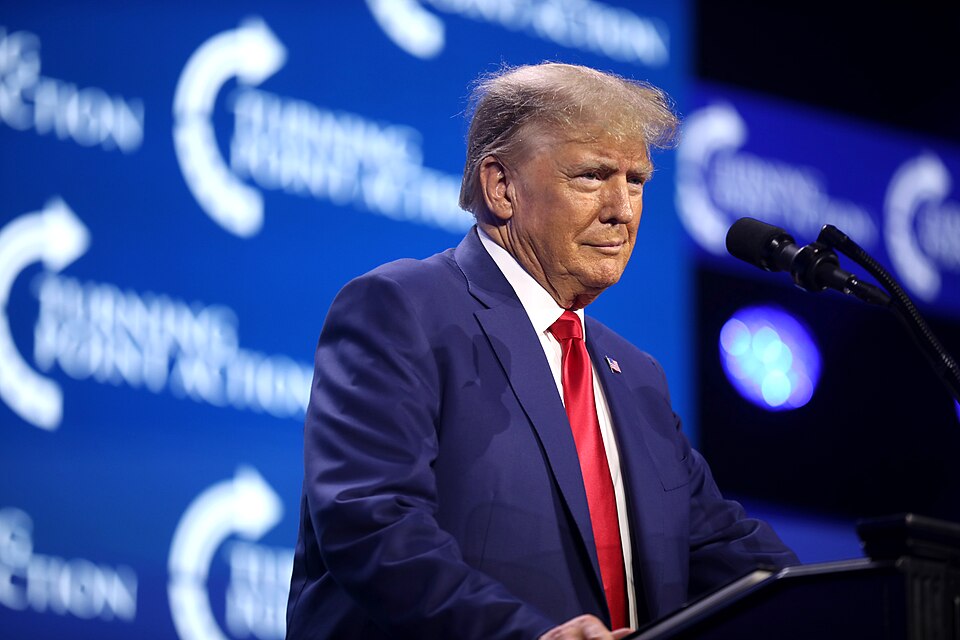
With Congress potentially facing a vote on tens of billions of dollars in additional funding, pressure is mounting on the White House to provide a clearer roadmap for the conflict and its ultimate objectives. Photo by Gage Skidmore from Surprise, AZ, United States of America, Wikimedia commons.