Electric vehicle giant Tesla has taken a major step into the UK energy sector after receiving regulatory approval to supply electricity directly to households. The move introduces a powerful new
competitor into Britain’s energy market at a time when consumers are increasingly worried about rising utility bills.
The UK’s energy regulator, Ofgem, confirmed on Thursday that Tesla Energy Ventures, a subsidiary of Tesla, has officially been granted a licence to operate as an electricity supplier. The approval follows a regulatory application process that began in July last year.
The decision paves the way for the company, led by billionaire entrepreneur Elon Musk, to expand its energy footprint in Britain. Tesla plans to leverage its renewable energy technology—including solar panels and home battery storage—to compete with established suppliers such as Octopus Energy, British Gas, and EDF.
Tesla already has a presence in the UK’s power sector. Another subsidiary, Tesla Motors Limited, holds a licence to generate electricity in the country. Many Tesla electric vehicle owners also use the company’s Powerwall home battery system, which stores solar energy generated from rooftop panels. Excess electricity can then be fed back into the national grid, potentially lowering household energy costs.
Tesla’s entry into the retail electricity market comes amid heightened concern over energy prices. Global energy costs have surged following geopolitical tensions and conflict in Iran, raising fears that British households could face higher utility bills.
For now, most UK consumers are shielded from immediate price increases. Government-regulated energy tariffs will protect households from rising gas prices until July. However, policymakers may face mounting pressure to introduce further support measures if global tensions continue and prices remain elevated beyond that point.
Meanwhile, Tesla’s traditional automotive business in Britain has faced challenges. Sales of the company’s vehicles declined by 8.9% year-on-year in 2025, reflecting intensifying competition from lower-priced Chinese electric vehicle manufacturers and some consumer backlash linked to Musk’s political views.
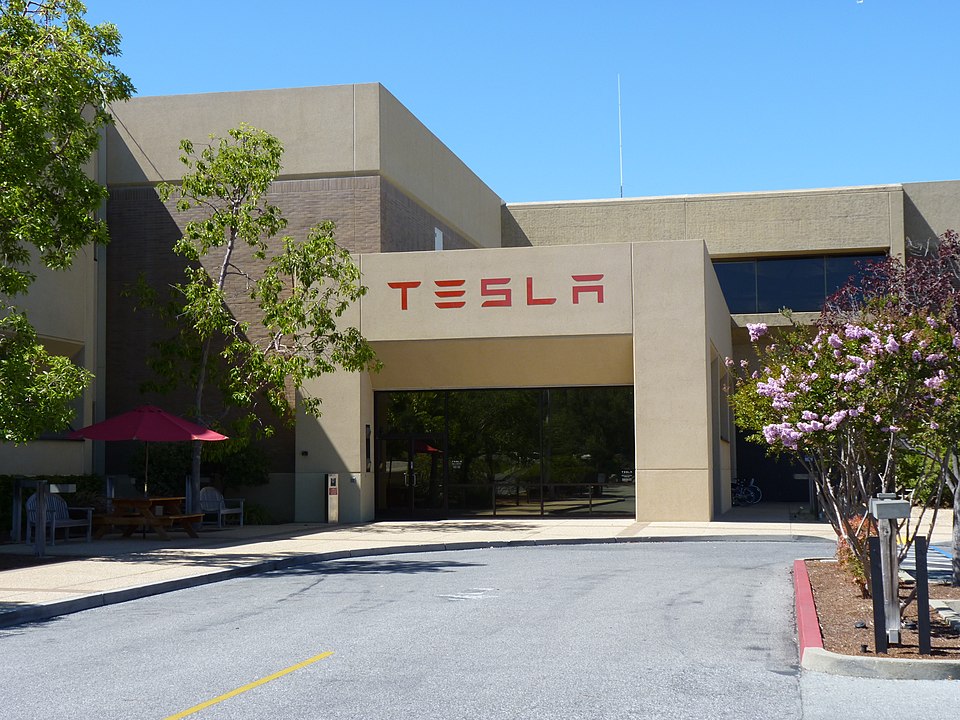
Despite the slowdown in car sales, Tesla’s expansion into energy supply could open a new growth avenue in the UK—one that aligns closely with the country’s push toward renewable power and smarter home energy systems. Photo by Tumbenhaur, Wikimedia commons.