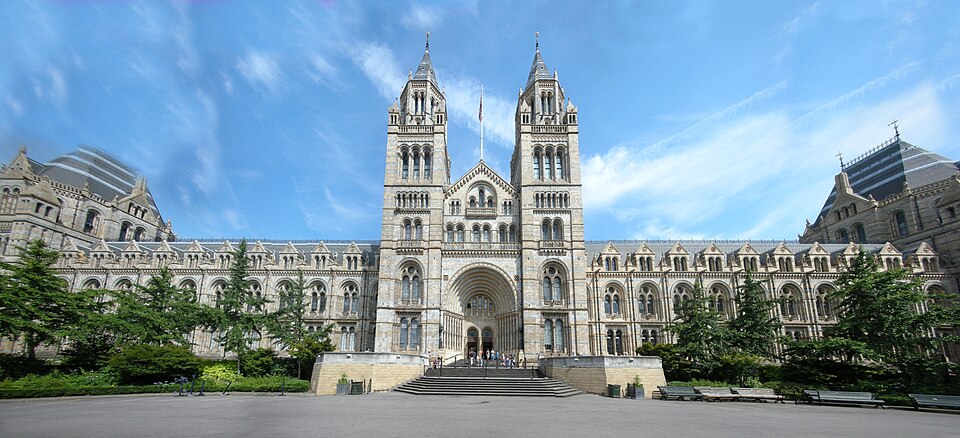
Scientists at London’s Natural History Museum have unveiled 262 species new to science this year, capping off a remarkable 12 months in which the institution also published more than
700 research papers and began construction of a cutting-edge collections, research and digitisation centre.
The discoveries span every corner of the natural world. From jewel-toned butterflies fluttering above the rainforests of Borneo to ghostly coral thriving five kilometres beneath the Pacific, the findings highlight both the richness of global biodiversity and the urgency to document it amid accelerating environmental change.
Museum researchers say the naming of new species remains fundamental to their mission. With expanding collections and a global push to digitise specimens, they aim to accelerate the discovery, understanding and protection of nature as the climate and biodiversity crises intensify.
Butterflies, beetles and insects dominate
In 2025, moths and butterflies accounted for the largest share of discoveries, with 81 species classified. Among them is a moth named after climate activist Greta Thunberg, as well as several dazzling butterflies in the genus Hypochrysops.
One highlight is Hypochrysops borneensis, observed gliding above Borneo’s rainforest canopy. Another, Hypochrysops russelli, is known from a single specimen collected in Papua New Guinea more than 50 years ago—raising concern over whether it still survives as its forest home continues to shrink.
The Museum reports that some of its specimens remain the sole evidence that a species ever lived, underscoring the value of historical collections. Other invertebrate discoveries this year include beetles, wasps, worms, flies, bees, ants and scale insects.
Life in the deep ocean
Researchers also turned their attention to the Clarion Clipperton Zone in the Pacific, an area rich in mineral deposits and central to debates over future deep-sea mining. There, at depths of 5,000 metres, scientists identified a white coral named *Deltocyathus zoemetallicus* growing on polymetallic nodules.
New species of polychaete worms, copepods, amphipods and crabs were also catalogued from deep marine environments, broadening scientific understanding of remote ocean ecosystems.
Amphibian breakthroughs
On land, 42 amphibians and reptiles were newly described. A significant number were found in northeastern India—one of the world’s wettest regions—where new frogs, lizards and snakes were identified.
In Tanzania, scientists combined DNA data, physical measurements and historic sound recordings to reveal three new live-bearing tree toads within the genus *Nectophrynoides*. These species give birth to fully formed young rather than laying eggs, providing fresh insights into amphibian evolution and reproductive diversity.
Additional finds this year include a caecilian, geckos from Cambodian caves, fish from southern Africa and a red-toothed shrew discovered in China.
Unearthing prehistoric life
The Museum’s palaeontologists have also been busy. A dog-sized dinosaur, *Enigmacursor mollyborthwickae*, emerged from the famed Morrison Formation in Colorado after researchers re-examined previously overlooked remains. Several fossil species were also described from the UK, including a sail-backed dinosaur from the Isle of Wight and new fossil sharks tied to modern carpet sharks of Australia and Southeast Asia.
Redefining life and venom
Beyond species naming, Museum scientists have helped reshape scientific thinking. Work on Tanzanian tree toads revealed multiple new live-bearing species hidden within old collections. In another major study, researchers expanded the definition of venom to include toxins used against plants or even members of the same species—challenging long-held biological assumptions.
Asteroid secrets and human origins
Meteorite specialists at the Museum played a key role in analysing samples from asteroid Bennu, uncovering surprising chemical ingredients linked to life’s origins. The samples, analysed using advanced lab technology, contained minerals and molecules never before seen in extraterrestrial material.
Museum researchers also helped clarify the surprising history of the London Underground mosquito, finding evidence that it emerged more than a millennium ago in the Middle East rather than evolving beneath the city.
Human history, climate change and culture
The Museum’s collections continue to shed light on human history as well as biology. Research into whale and dolphin remains is revealing the lasting impacts of commercial whaling, while a recent Antarctic expedition found early signs that sea urchins may already be affected by ocean acidification.
A new era for collections and digitisation
This year also marks a milestone in how the Museum cares for and shares its holdings. Construction has begun on a state-of-the-art collections and digitisation facility, overseen by the Museum’s first Director of Collections. With more than six million specimens already digitised—and their data downloaded worldwide—scientists say these growing digital resources are fuelling research into global threats ranging from biodiversity loss to food security.
As the pressures of the planetary emergency mount, Museum experts stress that continuing to name and describe new species is essential—not only to broaden scientific knowledge, but to protect ecosystems on which life depends. Photo by Stephantom, Wikimedia commons.