Climate change is likely to alter the spread of infectious diseases in complex and unpredictable ways, according to new research that underscores how little scientists still know about the links
between a warming planet and illnesses that jump from animals to humans.
A global review led by the Natural History Museum in London examined how climate factors influence zoonotic diseases — infections transmitted from animals to people, including COVID-19, Ebola and the bubonic plague. The findings reveal that despite growing concern about climate-driven health risks, the impact of climate change has been scientifically investigated in only a small fraction of known zoonotic diseases.
Out of 816 zoonotic diseases known to affect humans, researchers found usable climate-disease data for just 53 — roughly 6%. Even among these better-studied diseases, responses to climate change varied widely, highlighting the difficulty of predicting future risks.
As global temperatures approach the critical threshold of 1.5°C above pre-industrial levels, the study warns that warming is already reshaping weather patterns, altering ecosystems and shifting the geographic ranges of wildlife. These changes are likely to increase contact between people and animals, raising the chances of disease “spillover” from wildlife into human populations.
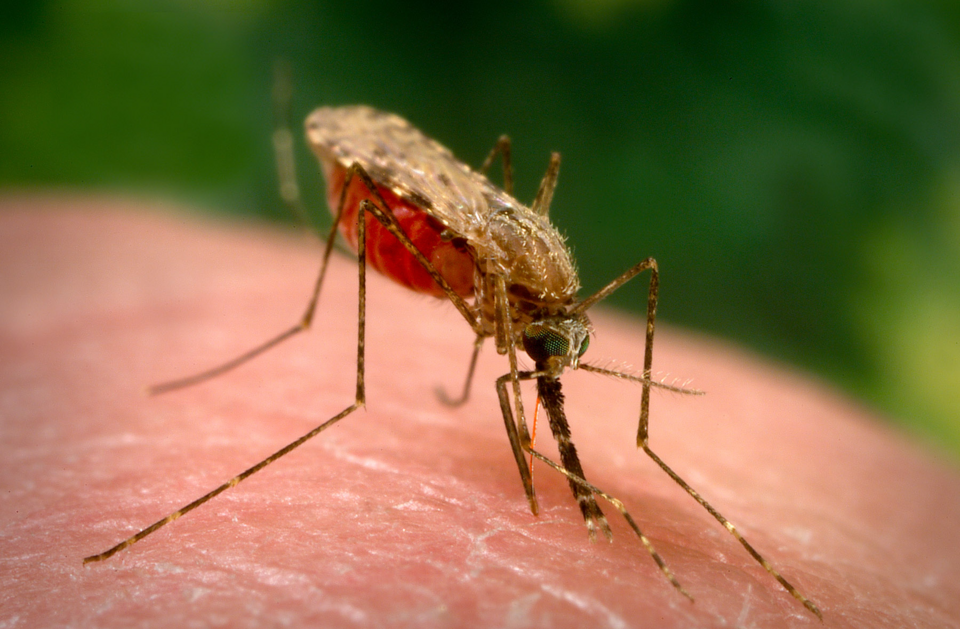
The review identified vector-borne diseases — those spread by mosquitoes, ticks and fleas — as posing particular concern. Such diseases were found to be especially sensitive to climate conditions, including temperature, rainfall and humidity.
Temperature emerged as the most influential factor. Higher temperatures were nearly twice as likely to increase disease risk as to reduce it, especially for mosquito-borne infections. Warmer conditions can accelerate mosquito development, extend breeding seasons and boost populations of disease-carrying rodents.
However, the researchers caution that these trends are far from uniform. The effect of warming can differ depending on the disease, the animal host and the local environment. In some cases, rising temperatures may even reduce transmission if conditions become too extreme for vectors or pathogens to survive. The influence of rainfall and humidity proved even more inconsistent, with no clear global pattern.
Overall, the study concludes that zoonotic diseases are broadly sensitive to climate change, but in highly variable and context-dependent ways. This uncertainty, the authors say, underscores the urgent need for more research as climate change accelerates and the risk of emerging infectious diseases grows.
Co-author Dr David Redding uses plague as an example of this complexity: “Plague is caused by a bacterium that circulates between rodents and the fleas that feed on them. Temperature strongly influences this system. Warmer conditions can boost rodent populations in some regions and speed up flea development, which can increase opportunities for transmission.
However, this relationship is not linear. At higher temperatures, the bacterium becomes less efficiently transmitted by fleas because the conditions that allow the flea to become infectious break down. Beyond a certain point, further warming reduces plague spread.”
The authors warn that inconsistent research approaches across disciplines and regions are obscuring the true relationships between climate and disease, making it difficult to compare results across studies or to provide clear guidance for public health.
Lead researcher Artur Trebski said there is an urgent need to rethink how climate-disease relationships are studied and reported.
“It’s sometimes suggested that climate change will make animal-borne diseases worse for humans in general, but our research shows that it’s much more complex than that,” says Artur. “We see so much variation, even within the same disease, so we need much more nuance in how we summarise the future health impacts of climate change.”
Dr Redding, who leads research into biodiversity and health at the Museum added that public health research needs to move away from a one-size-fits-all mindset.
“Climate change is an all-encompassing process that will affect nearly every single living thing on the planet,” says David. “The fact that there’s not a consistent way to examine how different animals and the diseases they carry are affected by this process is really surprising.”
“I hope that this study will be the start of moving people towards a common research framework that allows us to act in a more co-ordinated way. By better understanding the nuance of these relationships, we’ll be in a better place to design effective control measures,” he adds.
The findings are published in the journal Proceedings of the National Academy of Sciences (PNAS). DOI 10.1073/pnas.2422851122. Photo by CDC/ James Gathany, Wikimedia commons.