Mauritius has given the United Kingdom until the end of July to finalize a long-delayed agreement on the future of the Chagos Islands, signaling growing impatience as geopolitical tensions
complicate the process.
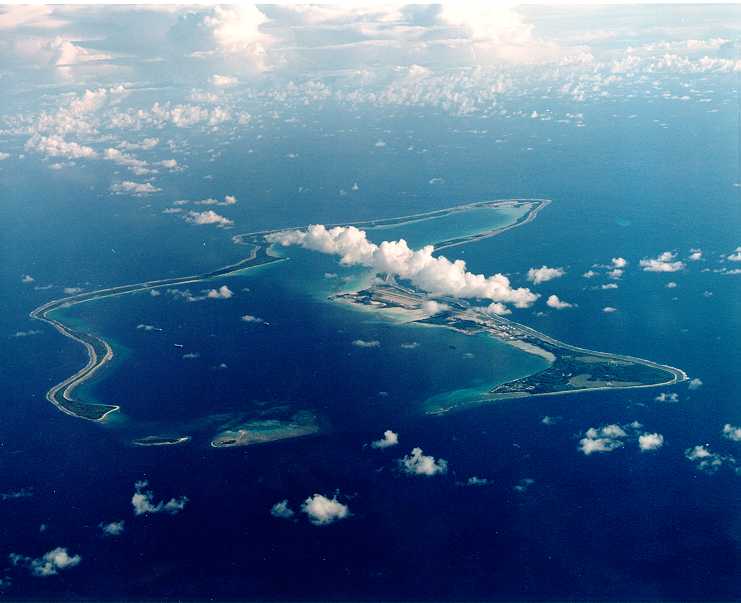
Talks resumed this week when a British delegation met Prime Minister Navin Ramgoolam—the first formal engagement since London paused the agreement earlier this year. The proposed deal would transfer sovereignty of the Chagos archipelago to Mauritius while allowing the UK and the United States to maintain control of the strategically vital military base on Diego Garcia.
Following the meeting, Attorney General Gavin Glover said the government remains uncertain about Washington’s position. Approval from the U.S. is widely seen as essential for the deal to proceed, given its heavy reliance on the Diego Garcia base for global military operations.
“We will give them until the end of July,” Glover said, adding that Mauritius would reassess its options depending on developments in London.
A deal caught in global power politics
The agreement has become entangled in broader geopolitical dynamics, particularly after U.S. President Donald Trump publicly criticized it as a “big mistake,” reversing earlier remarks that it might be the best outcome available to the UK under Prime Minister Keir Starmer.
The hesitation reflects the strategic importance of Diego Garcia, a cornerstone of U.S. military operations. Missions launched from the base have included strikes against Houthi targets in Yemen, operations in Afghanistan following the 2001 attacks, and humanitarian aid deployments to Gaza. Reports also indicated that Iran recently attempted a missile strike on the base, underscoring its continued military relevance.
The Chagos question: history, law, and justice
At the heart of the issue lies the long-running “Chagos question”—a complex mix of colonial history, international law, and human rights.
The Chagos Archipelago consists of more than 600 islands located roughly 500 km south of the Maldives. In the late 1960s and early 1970s, Britain forcibly removed up to 2,000 indigenous Chagossians to make way for the military base on Diego Garcia, a move that has since been widely condemned.
Mauritius has consistently argued that the UK unlawfully detached the islands before granting Mauritian independence in 1968. This position has been backed by international rulings, including a 2019 advisory opinion by the International Court of Justice, which called for Britain to end its administration of the territory.
In 2024, the UK signaled a shift by agreeing in principle to return sovereignty to Mauritius, while negotiating a long-term lease—reportedly worth £101 million annually—to retain military access. Photo by U.S. federal government, Wikimedia commons.