A three-century-old marble sculpture by renowned eighteenth-century sculptor Michael Rysbrack has been placed under a temporary UK export ban, giving British
museums and galleries a final chance to secure the work for the nation.
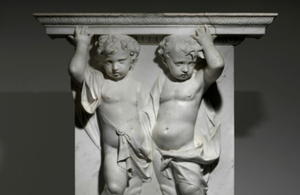
The sculpture, valued at £750,000, depicts two finely carved putti—childlike figures—supporting an architectural element. Measuring more than a metre in height and carved from marble, the piece is recognised as being of outstanding artistic and historical importance, despite its remarkable age and fragile appearance.
A race against time to keep the sculpture in Britain
The temporary export bar has been imposed to allow a UK institution to raise the funds needed to acquire the sculpture before it can legally leave the country. If no buyer is found within the set timeframe, an export licence may be granted, allowing the work to be sold abroad.
Experts believe the sculpture was originally created as one of a pair of grand chimneypiece ornaments, possibly commissioned for Bedford House, one of London’s most important aristocratic residences during the eighteenth century. Such decorative sculptures were highly fashionable among Britain’s elite, serving as symbols of wealth, education and admiration for Classical antiquity.
Classical beauty with a social message
Rysbrack’s work draws heavily on ancient Greek and Roman art, but scholars note that the sculpture goes beyond decorative classicism. The tender and naturalistic rendering of the putti reflects a pivotal moment in British social history, when ideas about childhood were beginning to shift.
At the time the sculpture was made, London society was developing a new understanding of childhood as a distinct and formative stage of life. Rysbrack himself played a direct role in this cultural change, later becoming a governor of the Foundling Hospital, which cared for abandoned and orphaned children. The emotional sensitivity seen in the sculpture is widely viewed as a reflection of these evolving attitudes.
A master sculptor of eighteenth-century Britain
Although born and trained in Antwerp, Michael Rysbrack built his most celebrated career in England. He became one of the most sought-after sculptors of his generation, producing major works for aristocratic patrons and creating monuments that still stand today in Westminster Abbey.
His sculptures were admired for their technical brilliance, emotional depth and Classical refinement—qualities that experts say are powerfully evident in this marble group.
Government and expert support for keeping the work public
Culture Minister Baroness Twycross said: “The incredible detail on this marble sculpture of two childlike figures demonstrates a remarkable mastery of the craft. The quality of the putti is a clear testament to why Michael Rysbrack’s sculptures were so highly sought after in the eighteenth century.
Today, we continue to appreciate world class art such as this. I hope that this export bar can help secure this sculpture for the public to enjoy’.
Committee Member, Stuart Lochead said: “Likely designed for Bedford House, London, this set of putti originally formed part of a monumental fireplace. Despite its scale, the carving is notably delicate: the flesh and hair of the two figures are rendered with remarkable tenderness. The use of infant imagery marks a pivotal moment in Rysbrack’s career. Having recently been elected Governor of the Foundling Hospital in London, alongside William Hogarth, the sculptor’s work reflects on the changing attitudes toward childhood in early eighteenth-century Britain. Displayed in one of London’s most important houses, this refined marble group would represent a significant loss if exported”.
Fourth export bar of the year
This is the fourth temporary export bar issued this year, following similar actions taken to protect other major works, including an eighteenth-century bust of John Gordon of Invergordon, a £9 million painting by Claude Lorrain, and a rare terracotta dog sculpture by pioneering female artist Anne Damer.
The decision was made on the advice of the Reviewing Committee on the Export of Works of Art and Objects of Cultural Interest (RCEWA), which ruled that the sculpture met the second and third Waverley criteria. These recognise its outstanding aesthetic importance and its significance to the study of eighteenth-century sculpture, architectural history and the depiction of children in art.
What happens next
The export licence decision has been deferred until 5 May 2026. During this period, UK institutions can make an offer at the recommended price of £750,000, plus VAT. If an offer is accepted, a further four-month deferral period will apply to complete the acquisition.
For now, the future of this rare and moving work hangs in the balance—caught between international demand and a last effort to keep a piece of Britain’s artistic history at home.