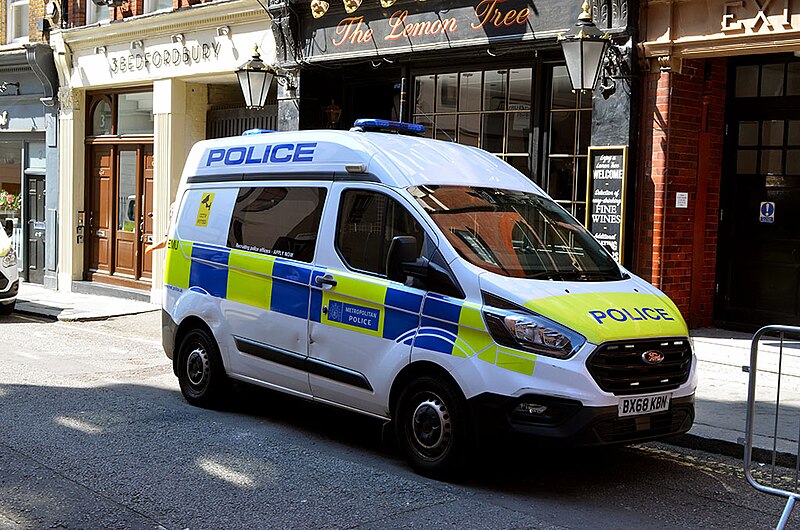
British police have banned a pro-Iranian march scheduled to take place in central London on Sunday, warning that the event could trigger “extreme tensions” with counter-protesters and raise
security risks linked to the escalating conflict in the Middle East.
The demonstration, known as the Al Quds march, is held annually and organised by the Islamic Human Rights Commission. Authorities say the group has expressed support for the Iranian regime, raising concerns about the potential for unrest during the planned gathering.
In the United Kingdom, banning a protest is considered an exceptional measure. Police said the decision marks the first time in 14 years that such powers have been used. According to officials, intelligence and risk assessments indicated that the threat of public disorder was “so severe” that preventing the march was necessary. The ban also extends to any planned counter-protests.
Organisers have previously said on X that the march aims to support Palestinian liberation. However, police noted that past Al Quds events have led to arrests for offences including support for banned terrorist organisations and anti-Semitic hate crimes.
Authorities warned that even with the ban in place, the weekend could remain tense. “We are preparing for a challenging and potentially violent situation,” police said in a statement issued late Tuesday.
Officials also cited the broader geopolitical context, including recent actions by the Iranian government against Western allies and military facilities abroad. Security services have repeatedly warned about threats on British soil linked to Iran, which police said was a key factor in their decision.
The handling of pro-Palestinian demonstrations in London has been under intense scrutiny since the October 7 Hamas attack on Israel. Large protests have taken place regularly in the capital, fuelling debate over freedom of expression, alleged support for banned groups, and the impact of the demonstrations on the Jewish community.
Tensions have been heightened further by recent arrests. Last week, British authorities detained four men suspected of assisting Iranian intelligence services in conducting surveillance of individuals and locations linked to London’s Jewish community.
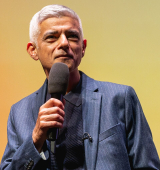
Police said that if the Islamic Human Rights Commission attempts to hold a static gathering — something current laws do not allow authorities to ban outright — it would be subject to strict conditions and heavy monitoring. Photo by Cheeseburger296, Wikimedia commons.