Imerys Minerals Limited has agreed to pay £430,000 to the Westcountry Rivers Trust following a string of pollution incidents in Cornwall that released clay into local waterways.
The settlement was secured by the Environment Agency after an investigation into six separate pollution events between September 2021 and July 2023 around the St Austell area of Cornwall.
Funding to restore river health
The funds will support projects aimed at improving water quality, restoring fish migration routes, and engaging local communities in river monitoring and conservation. The work will focus on waterways affected by the incidents, including the Gwindra Stream, which flows into the River Fal.
The payment forms part of an enforcement undertaking, a legal agreement that allows companies to fund environmental improvements as an alternative to prosecution.
Pipeline failures behind pollution
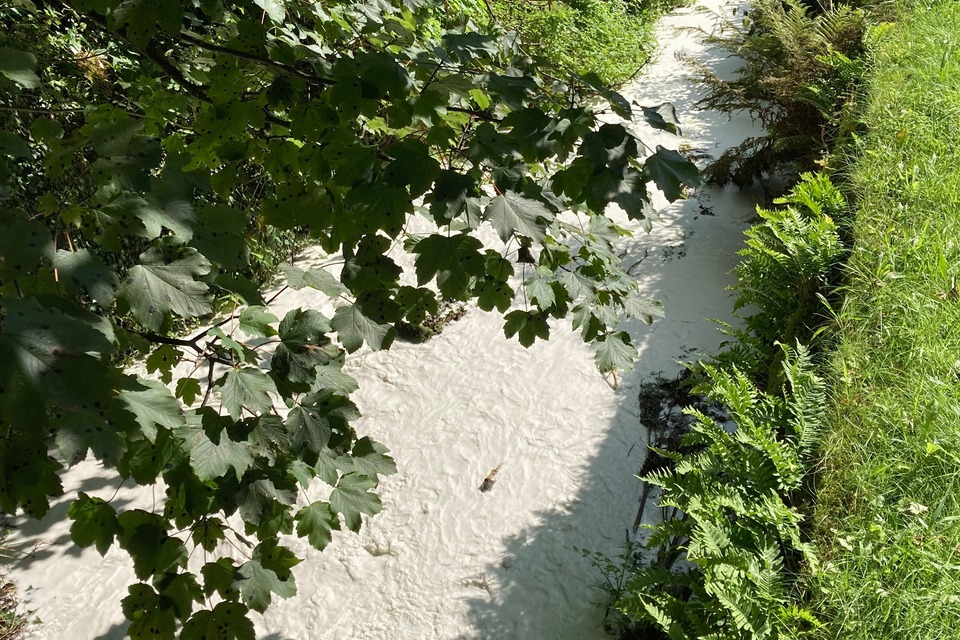
One of the most significant incidents occurred on 15 September 2021, when an underground pipeline at an Imerys clay production facility near Goonamarris ruptured.
The failure released clay onto nearby land and into the Gwindra Stream. Imerys estimated the spill at about 87.8 tonnes of dry clay.
Environmental sampling suggested the effects of the discharge were still detectable two months later, according to investigators.
The company’s inquiry concluded that the pipeline fracture was likely caused by machinery damage, which had gradually weakened the pipe.
Additional discharges recorded
Another discharge into the Gwindra Stream occurred in December 2022. Further incidents involved:
- A failed buried pipeline joint, which released clay into a nearby stream
- A leaking joint at the Imerys Maclarens tank site, allowing clay to enter the River Fal
Company commits to major upgrades
As part of the enforcement undertaking, Imerys Minerals Limited has committed to several measures to prevent future incidents. These include:
- A review of operational procedures
- Installation of new monitoring and containment equipment
- A 10-year strategy to replace ageing pipelines
The company will also pay £22,600 to cover the Environment Agency’s investigation and enforcement costs.
Long-term benefits for local rivers
The funding will enable the Westcountry Rivers Trust to deliver restoration projects designed to boost biodiversity, support fish movement through river systems, and strengthen community involvement in protecting local waterways.
Environment Agency Team Leader, Jack Hale, said: “This commitment allows Imerys to put things right in a way that directly benefits the environment.
We are pleased that the money will go towards improving water quality and fish habitat in the area”.
Stephanie Knights, Head of River Restoration at the West Country Rivers Trust, said: “The River Fal catchment is an area of exceptional environmental value, yet it faces significant pressure from a legacy of mining and quarrying.
We are exploring fish passage solutions with the Environment Agency and habitat improvement opportunities, whilst pursuing research partnerships with the University of Exeter, and engaging local communities through our Citizen Science Investigations programme to monitor and champion river health.
Our focus is clear: restore fish passage, improve habitat and water quality, and build the long-term ecological resilience this river deserves.”