Saudi Arabia's security situation remains challenging as renewed hostilities with Yemen's Houthi movement have raised concerns about the kingdom's ability to protect its airspace and critical
infrastructure. Recent missile and drone attacks demonstrate that the threat posed by the Iran-aligned group remains significant, requiring additional defensive measures to safeguard major cities, energy facilities and transport infrastructure.
The latest incident in Riyadh has once again highlighted the vulnerability of Saudi Arabia's strategic facilities. On Monday, Saudi civil defence authorities issued an alert in the capital, warning residents of a potential security threat. Minutes later, the authorities announced that the danger had passed. The warning came just one day after a Houthi attack damaged an office building belonging to Saudi oil giant Aramco in Riyadh.
On Sunday, debris from an intercepted attack shattered windows across several floors of Aramco Tower in the capital's financial district. Although the Saudi Energy Ministry confirmed that the damage was limited and there were no casualties, the incident demonstrated the potential consequences of missile and drone strikes against the country's economic infrastructure. The Saudi-led coalition reported that Houthi missiles targeting the capital had been intercepted.
The Houthis subsequently claimed responsibility for Sunday's attack. In recent weeks, the group has intensified its missile and drone operations against Saudi airports, ports and oil facilities, increasing pressure on the kingdom's security and defence systems.
The renewed confrontation between Riyadh and the Houthis is also part of a broader escalation across the Middle East. Hostilities resumed in July, opening another front in the regional conflict triggered by US and Israeli attacks on Iran in February. The Houthis, who maintain close political and military ties with Tehran, have increasingly become an important factor in the wider confrontation.
Saudi Arabia has responded to the renewed attacks with airstrikes against Houthi positions in Yemen. However, the escalation has effectively undermined the UN-brokered truce established in 2022, which had largely brought an end to direct hostilities between the kingdom and the movement.
For Riyadh, the immediate challenge is to prevent further attacks on its major population centres and strategically important facilities. The latest incidents underline the importance of strengthening air defence capabilities, improving missile interception systems and ensuring the protection of critical energy infrastructure.
Saudi Arabia's economic security is particularly exposed because its oil facilities and export infrastructure remain potential targets. Any successful attack on these assets could have consequences extending beyond the kingdom, affecting international energy markets and regional economic stability.
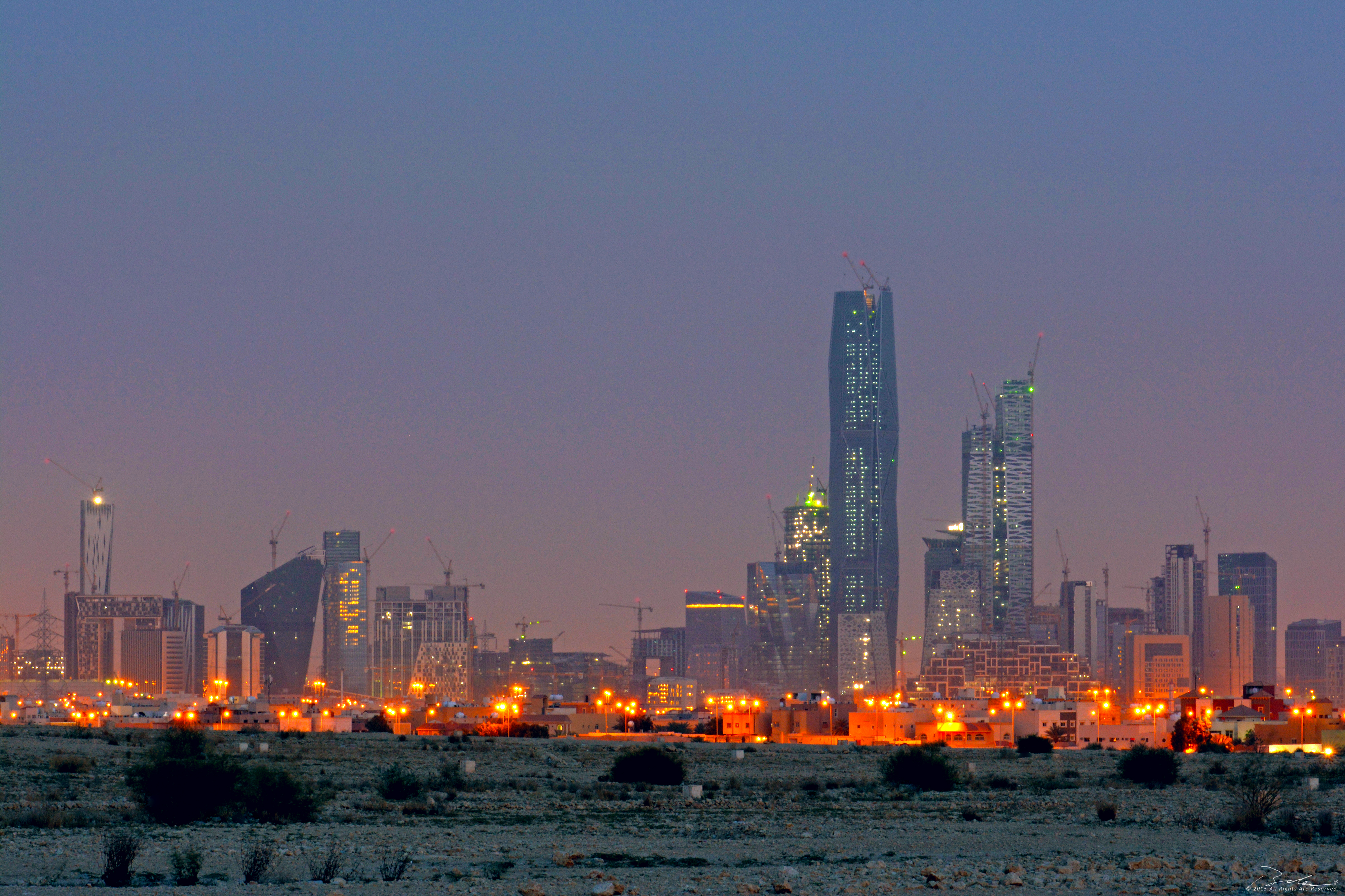
The latest alert in Riyadh may have ended without further damage, but the underlying security threat remains. As the conflict involving Iran and its regional allies continues, Saudi Arabia faces growing pressure to reinforce its air defences and prepare for further missile and drone attacks. The restoration of regional stability will depend not only on military preparedness but also on diplomatic efforts to prevent the renewed confrontation from developing into a prolonged regional war. Photo by B.alotaby, Wikimedia commons.