British climate finance is helping Indonesia expand marine conservation, protect fragile coral ecosystems and secure sustainable livelihoods for coastal populations.
Indonesia is stepping up efforts to preserve some of the world’s most valuable coral reef ecosystems, with financial and technical support from the UK’s International Climate Finance (ICF). The initiative aims to protect marine biodiversity, strengthen food security and help coastal communities adapt to the growing impacts of climate change.
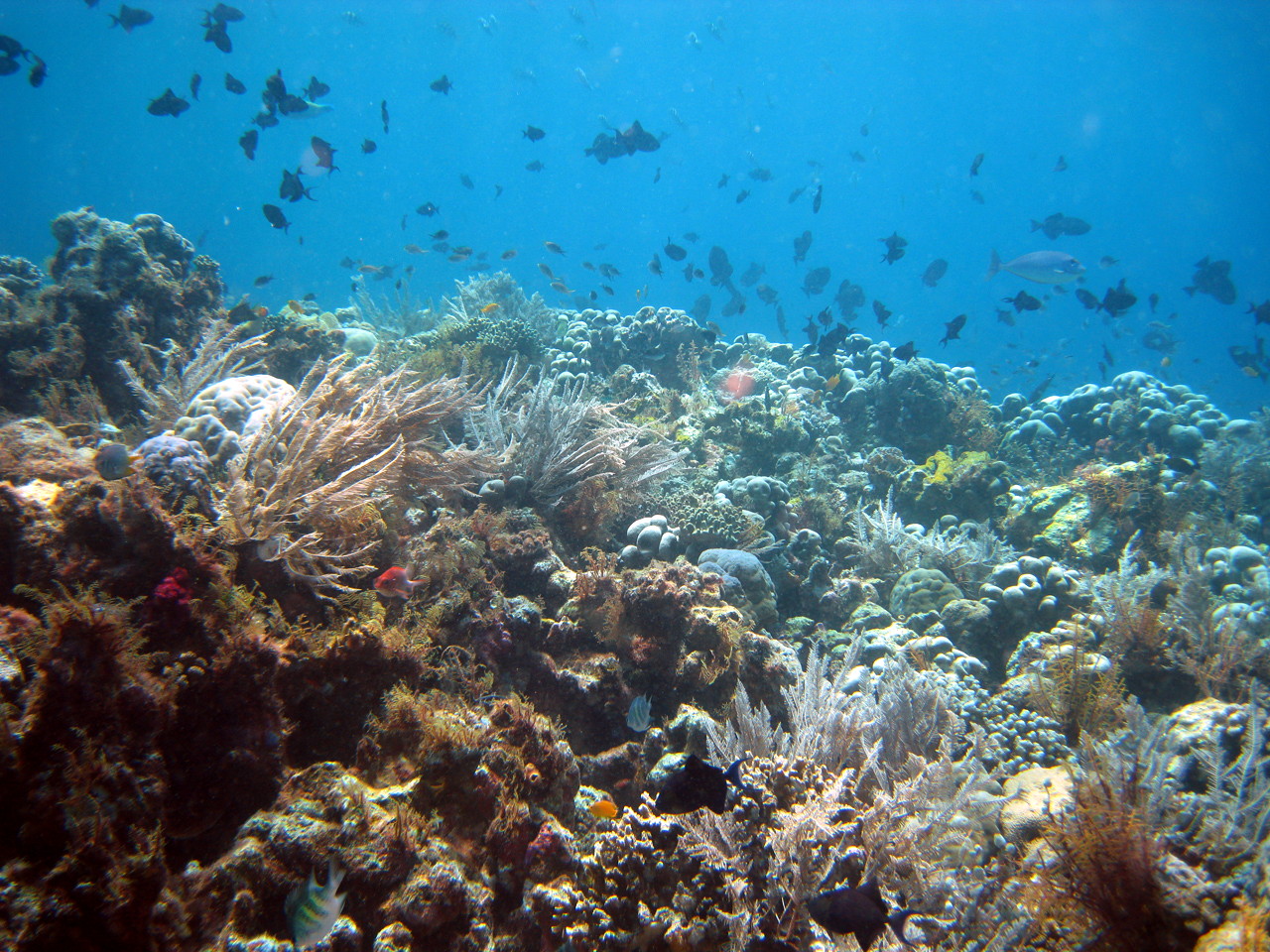
Coral reefs are essential to the livelihoods and food supplies of approximately one billion people worldwide. They support fisheries, sustain coastal economies and provide natural protection against the effects of climate change.
The Coral Triangle, stretching across the coastal waters of Southeast Asia, is one of the planet’s most important marine biodiversity hotspots. It contains around 76% of the world’s coral reefs and accounts for approximately 30% of global tuna production.
The region’s ecological importance also has implications for international food security. Its marine resources contribute to seafood supplies consumed around the world, including in the UK. The British government has identified the Coral Triangle as a strategically significant ecosystem in its assessment of the national security implications of biodiversity loss and environmental degradation.
Despite their importance, coral reefs face mounting pressure from human activities. More than 85% of the world’s reefs are threatened by overfishing, habitat destruction and other environmental pressures, making conservation efforts increasingly urgent.
The UK is supporting Indonesia in addressing these challenges through initiatives that combine environmental protection with the sustainable management of marine resources.
Fishing communities and local authorities are working together to establish marine protected areas and strengthen enforcement of sustainable fishing regulations. These measures are designed to safeguard marine habitats while ensuring that local populations can continue to depend on the ocean for food and income.
British assistance has contributed to the establishment of Indonesia’s largest marine protected area operating under a community co-management model. The approach gives local communities a greater role in conservation decisions, helping strengthen long-term protection of marine ecosystems.
Another practical initiative supported by UK funding involves the installation of specialised mooring systems. These allow boats to secure themselves without dropping anchors onto vulnerable coral formations, reducing the risk of physical damage to reef habitats.
A total of 10 mooring buoys have been installed, helping protect more than 1,700 coral species. The infrastructure is particularly important in areas where marine tourism and boat activity can place additional pressure on sensitive ecosystems.
The impact of British investment extends beyond individual conservation projects. Across Indonesia, funding provided to date has enabled more than 526,000 hectares of marine and coastal areas to be brought under sustainable management practices. The achievement contributes to International Climate Finance Key Performance Indicator 17.
By combining marine conservation, community participation and sustainable fishing practices, the programme seeks to deliver lasting benefits for both nature and people.
Protecting coral reefs can help maintain fish populations, preserve biodiversity and support the economic resilience of coastal communities. It also contributes to the long-term stability of global seafood supplies, helping ensure that marine resources remain available for future generations.
The initiative demonstrates how international climate finance can support environmental protection while addressing broader challenges related to food security, economic sustainability and climate resilience. Photo by Craig D, Wikimedia commons.